
 By Admin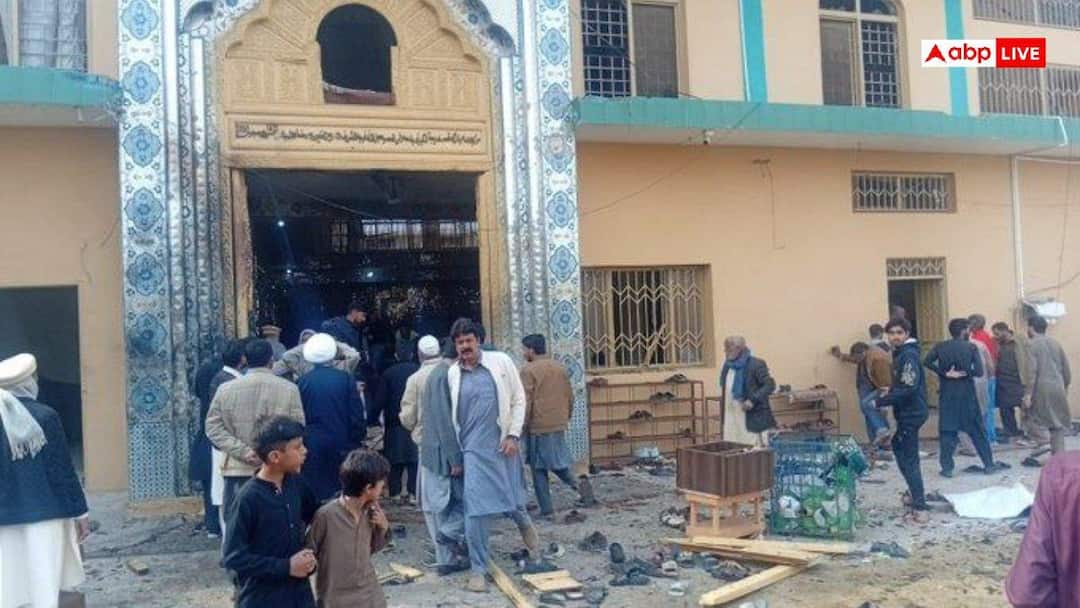
On Friday (6 February 2026), a suicide blast took place in the Shia Mosque Qaiser Khadijatul Kubra located in Tarlai Kalan area in Pakistan’s capital Islamabad. This is the 22nd episode of terrorist attacks on Shia community in Pakistan in the last 20 years. 50 people died and at least 169 people were injured in this attack. Since 2009, 777 people of Shia community have lost their lives due to terrorism in Pakistan. The current incident has once again brought to light the truth that communal terrorism against the Shia community in Pakistan has neither ended nor is it a sudden incident, but it is a persistent problem that has been going on for decades.
Explosion near the entry gate of the mosque in Islamabad
The targeting of Shia worshipers on the outskirts of Islamabad, considered the safest and most heavily monitored area of Pakistan, exposes the country’s deep failure. According to officials, the blast occurred near the entry gate of the mosque when a large number of people were gathering for Friday prayers. This is the same pattern which has been seen many times in the past during terrorist attacks in Pakistan when terrorists attack a religious place to kill as many people as possible.
20 year old story of Shia genocide in Pakistan
In the last twenty years, suicide blasts, target killings and mass killings have been taking place in Shia mosques, Imambaras, processions, hospitals, buses and public places in different parts of Pakistan. Historically also, Shia community has not been safe anywhere in Balochistan, Khyber Pakhtunkhwa, Punjab, Karachi and now Islamabad and Hazara Shias, pilgrims, Maulvis and common worshipers have continuously become victims of this violence. This sequence proves that this is not a security lapse, but the result of long-standing immunity given to communal terrorist organizations.
Many people died in the 2009-10 suicide attack.
The first major case of attack on the Shia community in Pakistan in the 21st century came to light in 2009 itself, when on 5 February 2009, 32 people died in a suicide blast in the Shia mosque in Dera Ghazi Khan. After this, on February 20, there was an attack during the funeral of Shia leader Sher Zaman, in which 30 people were killed and 157 were injured. Then in April 2010, there was an attack on the Shia Mosque of Chakwal in which 22 people lost their lives. Not only this, in September 2010, several blasts were carried out targeting a Shia procession in Lahore, in which 30 civilians were killed and in the same year, there was a suicide attack on a Shia-run hospital in Hangu, in which 16 people died.
How many Shia Muslims died in Quetta and Rahim Yar Khan?
After this, Hazara Shias and religious processions became the center of attacks in 2011 and 2012, where first, 11 Hazara Shias were killed in a blast outside the mosque in Quetta on the day of Eid-ul-Fitr in August 2011, and then in 2012, there was the target killing of Pasban-e-Jafariya leader Askari Raza. 18 people were killed in a bomb blast at a Chehlum procession in Rahim Yar Khan, and 18 civilians were killed in an attack on a bus carrying Shia passengers in Kohistan. Also, in the same year, 20 Shia Muslims were mass murdered in Mansehra.
2013 proved to be the most dreadful year of communal violence, when on January 10, 115 people died and more than 270 were injured in twin blasts in Quetta. A few weeks later, there was a suicide attack on a Shia mosque in Hangu, in which 19 people were killed, and then on 16 February, a suicide attack on Hazara Shias in Quetta, in which 91 people died. On March 3, 63 people were killed in a blast outside a Shia mosque in Karachi. These attacks showed that communal terrorist networks are spread throughout Pakistan.
Suicide attack in Karachi-Peshawar
Even after this the bloodshed did not stop. In January 2015, 61 worshipers died in a blast in Shikarpur Shia mosque. In February 2015, 19 people were killed in an attack on a Shia mosque in Peshawar. In May 2015, 46 people were killed in an attack on a bus carrying Shia passengers in Karachi, and in March 2017, 24 people were killed and 70 injured in a bomb blast in Parachinar.
The situation has not changed even in recent years. First, in March 2022, there was a suicide attack in the Shia Mosque of Peshawar, in which 63 people lost their lives. This was followed by the attack on the Zhob Army base in July 2023, which led to communal tension and Sunni-Shia clashes in the area, which showed that terrorist violence is still fueling social divisions, and in March 2025, a terrorist attack on the Pir Rakhel Shah shrine in Jhal Magsi killed 35 Shia pilgrims.
Communal terror spread throughout Pakistan
After this, the attack in Islamabad on 6 February 2026 is proof that communal terrorism in Pakistan has now completely reached the capital of Pakistan. This attack completely demolishes the claim that such violence is limited only to border or unstable areas. These repeated incidents make it clear that Pakistan’s Shia community is still being systematically targeted and instead of being protected, they are slowly forgotten after every attack, while the fundamentalist ideologies and networks responsible for these massacres are still present in Pakistan’s security structure.