
 By Admin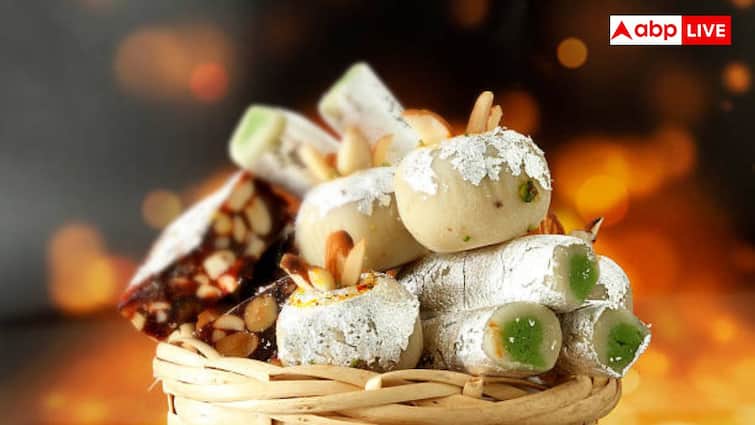
Gold Silver On Sweets: Sweets are recognized for their taste as well as their royal presentation. Especially those sweets which are decorated with delicate sheets of silver or gold. These delicate sheets are called work. These shiny layers are not just for show, but they have centuries-old cultural, medicinal and spiritual significance. So let us know.
Ayurveda and medicinal importance
In ancient Ayurveda, gold and silver were believed to have powerful healing properties. Silver is known for its antimicrobial properties and along with cooling the body, it also strengthens the immune system. When applied on sweets, it also helps in keeping them safe by stopping the growth of bacteria. Along with this, gold is considered a symbol of vitality and longevity. It provides energy to the body and also increases strength. This is the reason why the use of Vark was not only decorative but also medicinal.
History related to Mughals
It is said that the tradition of applying gold and silver work on sweets first started during the Mughal period. The Mughal emperors, famous for their lavish taste, used to decorate royal meals with gold and silver plated utensils to showcase their wealth and grandeur. With time, this royal custom reached even the common homes through grand courts.
Religious and spiritual significance
Work in India is not just decorative, but it is a symbol of purity, prosperity and auspiciousness. On every festival, sweets plated with silver are often offered as Prasad. In Jainism also, silver work is used to decorate temple idols and sacred objects.
art of making work
Creating the work was a complex process. Small metal pieces were placed between layers of parchment and beaten until they were formed into thin sheets of gold or silver. This process continued until they became almost transparent. After this, a delicate and edible sheet was made which was decorated over the food.
Also read: Why are parties remembering Karpoori Thakur before Bihar elections, what is his role in the politics here?