
 By Admin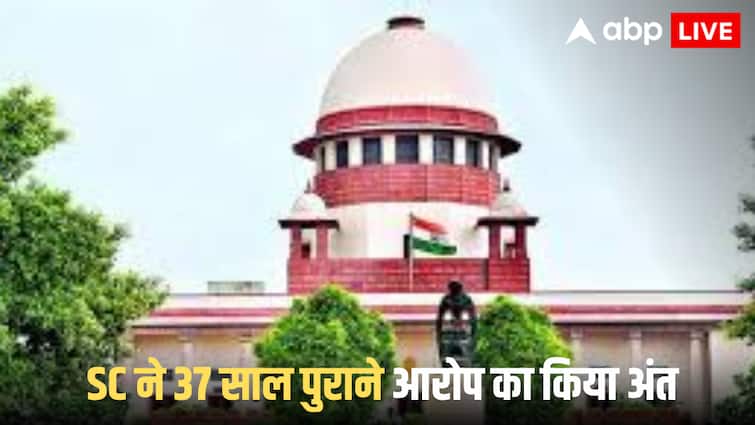
In a historic decision, the Supreme Court acquitted a Railway Ticket Examiner (TTE) who was accused of taking a bribe of Rs 50 three decades ago. This verdict proves that even if there is a delay in getting justice, the truth ultimately prevails. The court said that the late officer VM Saudagar was innocent and his family should be given pension and other service benefits within three months.
In May 1988, TTE VM Saudagar, who was on duty in the Dadar–Nagpur Express, was accused by the Railway Vigilance Team of demanding a bribe of Rs 50 from three passengers for allotment of seats. The department registered a case and started investigation and removed him from the job in 1996. This was the very moment when the life of an honest officer completely changed.
Journey from CAT to Supreme Court
After the dismissal, Saudagar presented his case in the Central Administrative Tribunal. In 2002, the tribunal said there was no concrete evidence to prove the bribery allegations and his service should be reinstated, but the Railways challenged this order in the Bombay High Court. The matter remained stuck for years and in the meantime the merchant passed away. The family still did not give up and approached the Supreme Court in the hope of justice.
Supreme Court’s stance is no crime if there is no evidence
A two-member bench of the Supreme Court reviewed the records in detail and found that the investigation was incomplete. The statements of the passengers cannot be trusted because the testimony of one of them was not taken and the other two also did not confirm any bribe. The court also held that the dealer had only told the passengers that he would return the amount after completing the inspection of other coaches, which is the normal procedure of the Railways. On this basis the court said that the dismissal was unfair and illegal.
The family will get full rights
The judgment made it clear that all pending financial benefits, pension and gratuity should be given immediately to Saudagar’s heirs. The court emphasized that when there is no concrete evidence against an employee, then action taken merely on the basis of suspicion is not justice but injustice.
Also read: India-Japan relations will deepen! Prime Minister Modi spoke to Japan’s new PM Takaichi for the first time, know what was discussed