
 By Admin

It is believed that the Anarkali suit originated during the Mughal period. This dress was named after Anarkali, a courtesan who fell in love with Prince Salim, son of Emperor Akbar. The story of this love of Anarkali was as painful as it was memorable. This love story gave a new look to this dress.
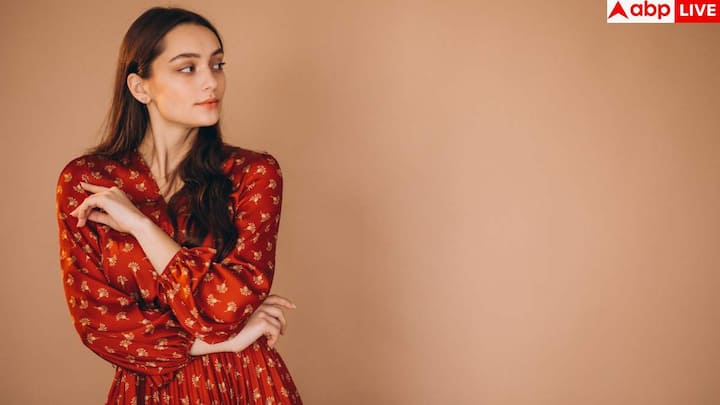
In ancient times, this costume was worn by dancers in royal courts. It was called mujra dress. Gradually it became a part of the wardrobe of royal women. The fine zari, silk and stone work done on silk, velvet and Banarasi clothes gave it a royal look.
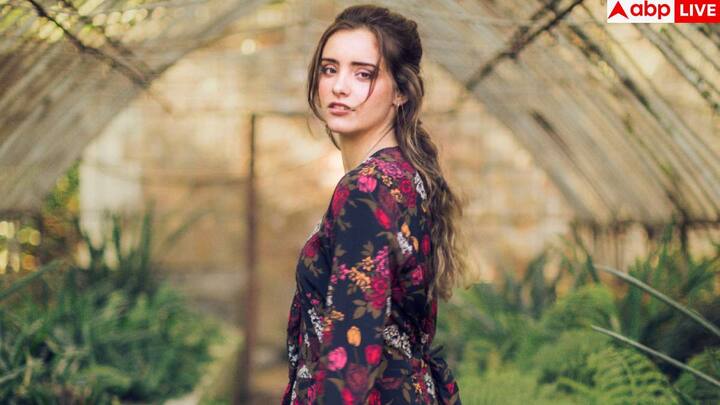
The design of Anarkali suit is also very special. It has a fitted top and flared design at the bottom, which gives a beautiful wavy look while walking. While earlier it was made only from silk and velvet, today it is also being designed in light fabrics like organza, cotton, chiffon and brocade.
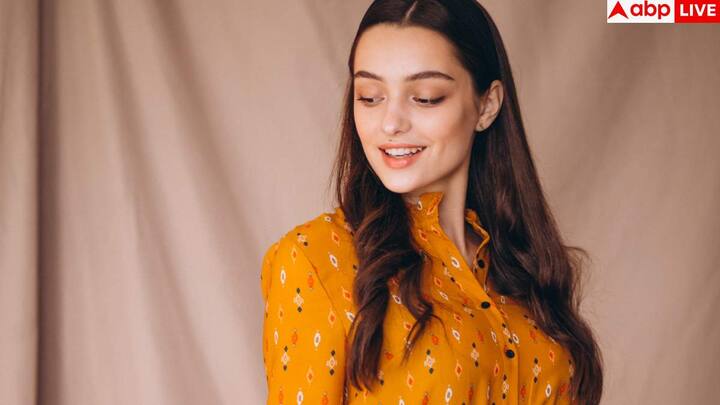
Inspired by Mughal art and architecture, Anarkali dresses used paisley motifs, zardozi and golden thread work. It became a symbol of wearing in royal ceremonies and weddings.
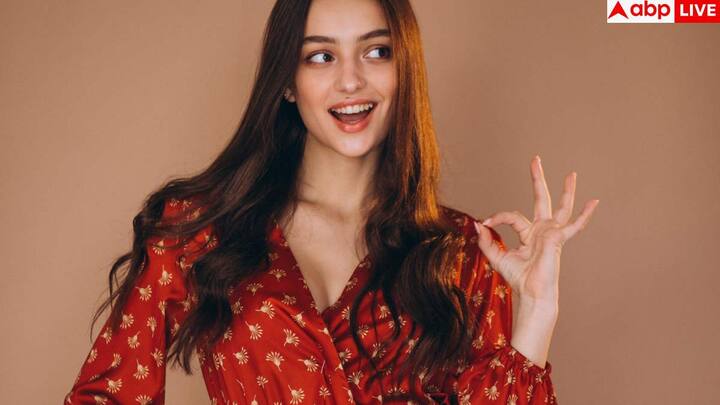
The film Mughal-e-Azam gave new life to Anarkali. Madhubala’s red Anarkali is still a chapter in Indian fashion history. After this, Meena Kumari made this dress more famous by wearing green Anarkali in the film Pakeezah.
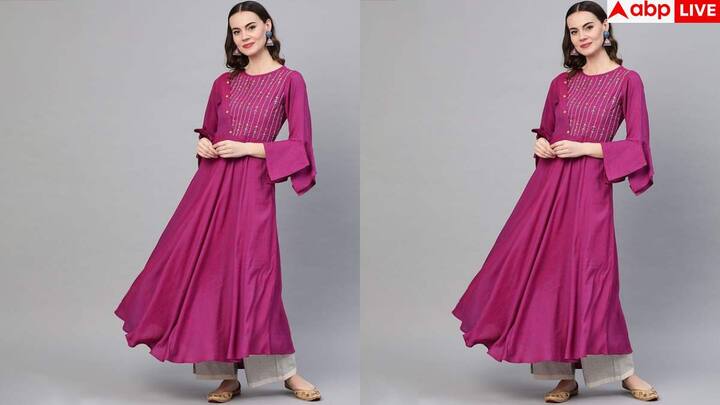
The form of Anarkali kept changing with time. Today she is seen in designer look with short jacket, belt, or cap. Designers like Ritu Kumar, Sabyasachi and Tarun Tahiliani have brought it back into trend by giving it a touch of modernity.
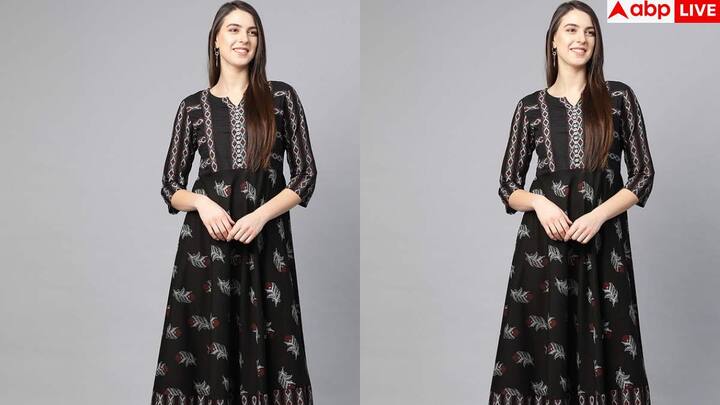
Today Anarkali is no longer just a wedding or festive dress. It is now worn to cocktail parties, sangees or even dinner dates. Its flowy look, graceful fall and royal touch make it every woman’s choice.
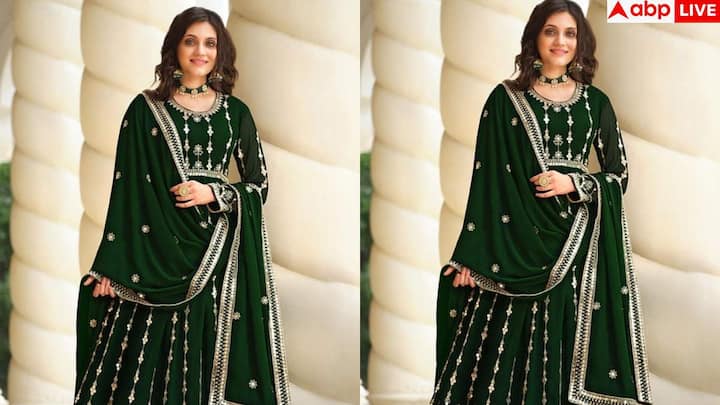
The Anarkali suit still tells the same thing as its story told centuries ago. Love, beauty and dignity. This is the reason why it remains the pride of every woman’s wardrobe even today.
Published at : 08 Nov 2025 01:21 PM (IST)