
 By Admin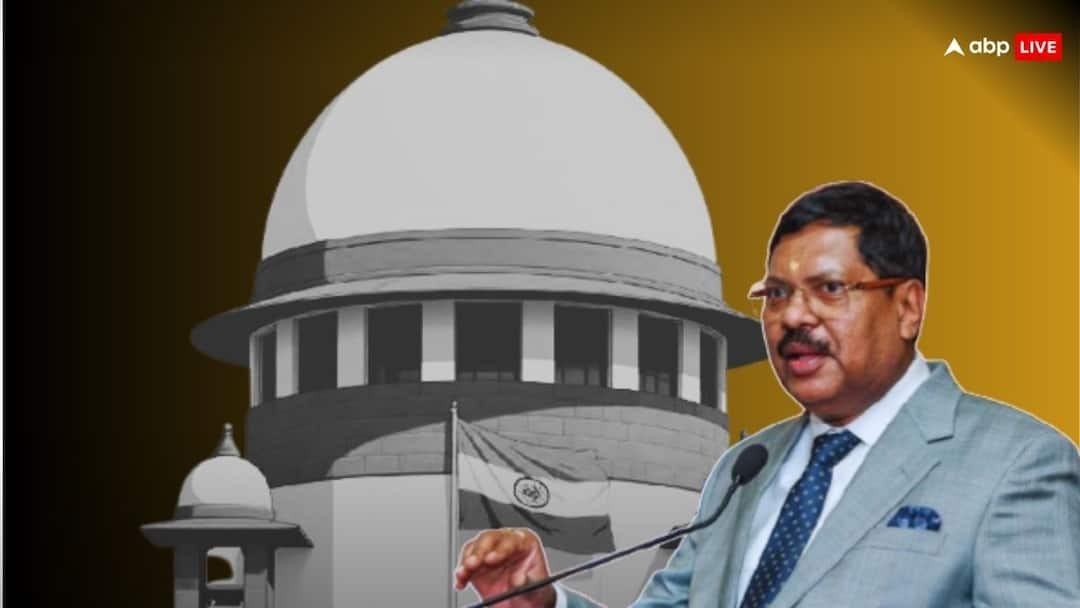
Chief Justice Bhushan Ramakrishna Gavai has described the Supreme Court’s decision in the 1979 rape case as a moment of institutional embarrassment. He admitted that the court disappointed the citizens with its decision in this case. CJI BR Gavai also said that it is the vigilance and courage of the people that they kept the court accountable for years.
According to the report of Times of India, CJI BR Gavai has said these things in his address at the 30th Sunanda Bhandare Memorial Lecture. Here he was giving his views on gender equality and development of law in building an inclusive India. In the year 1979, the Supreme Court had released two policemen in the case of rape of a tribal girl in the police station. The court had accepted that the policemen had relations with the girl with her consent. The court said that no marks were found on the girl’s body, which would prove that she was forced and she protested against it.
CJI BR Gavai said, ‘In my view, this decision is the most disturbing moment in the institutional and judicial history of India, where the judicial system could not protect the dignity of the very person it was meant to protect. This decision was also a turning point for the country, due to which groups of people and women’s organizations across the country ignited the movement for the rights of modern Indian women.
CJI Gavai said that this decision exposed the shortcomings of the criminal law and stimulated the need for amendments in it. This judgment redefined the concept of consent and strengthened legal protections in custodial rape.
He said that many revolutionary laws were brought for gender justice and except the 1979 decision, the court also contributed to gender equality through many decisions. He said that as a result, the structural inequalities inherent in family and customs ended and women moved from the margins of dependency to the center of constitutional citizenship.