
 By Admin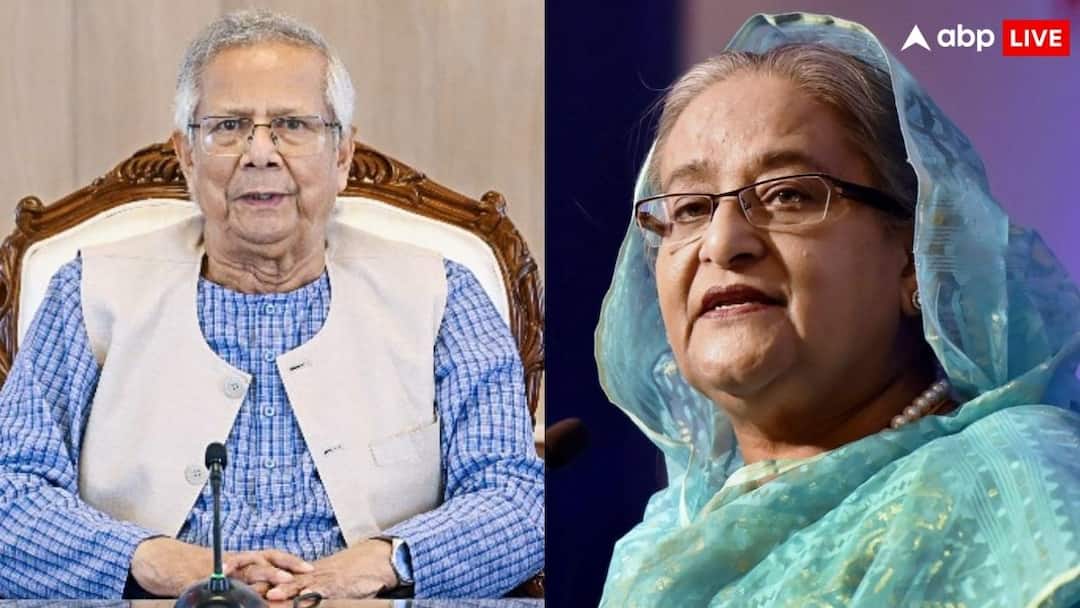
Bangladesh International Crime Tribunal (ICT) on Monday (17 November 2025) convicted former PM Sheikh Hasina and sentenced her to death. The court also ruled against two associates of Sheikh Hasina, former interior minister Asaduzzaman Khan Kamal and former police chief Chaudhry Abdullah al-Mamun. Bangladesh requested immediate handover of Sheikh Hasina and Asaduzzaman Khan Kamal to Dhaka under the bilateral extradition treaty.
What did Bangladesh say about India?
The Foreign Ministry of Bangladesh issued a statement saying, “India has taken note of the decision given by the Bangladesh International Crime Tribunal in relation to former Prime Minister Sheikh Hasina. The court has found the absconding accused Sheikh Hasina and Asaduzzaman Khan Kamal guilty and sentenced them for the July massacre. If any country gives asylum to these people guilty of crimes against humanity, it will be a very unfriendly act and will be considered as disregard for justice.”
‘Send Sheikh Hasina back to India’
Bangladesh said that we urge the Indian government to immediately hand over these two culprits to the Bangladeshi authorities without any delay. During this, the Yunus government also mentioned the extradition treaty of 2013. It said that according to the existing extradition treaty between the two countries, it is also India’s mandatory duty to hand over the culprits to Bangladesh.
Sheikh Hasina came to India after the coup
Sheikh Hasina government had to face student-led protests over the announcement of reservation in government jobs for the children of soldiers involved in the freedom struggle in the year 2024, which gradually took the form of a nationwide movement. The crackdown on protesters led to large-scale violence, forcing Sheikh Hasina to resign as Prime Minister and flee to India.
Following the ouster of Sheikh Hasina, the interim government led by Muhammad Yunus reconstituted the ICTY, which in 2024 prosecuted Hasina and others for crimes against humanity over a crackdown on protesters.