
 By Admin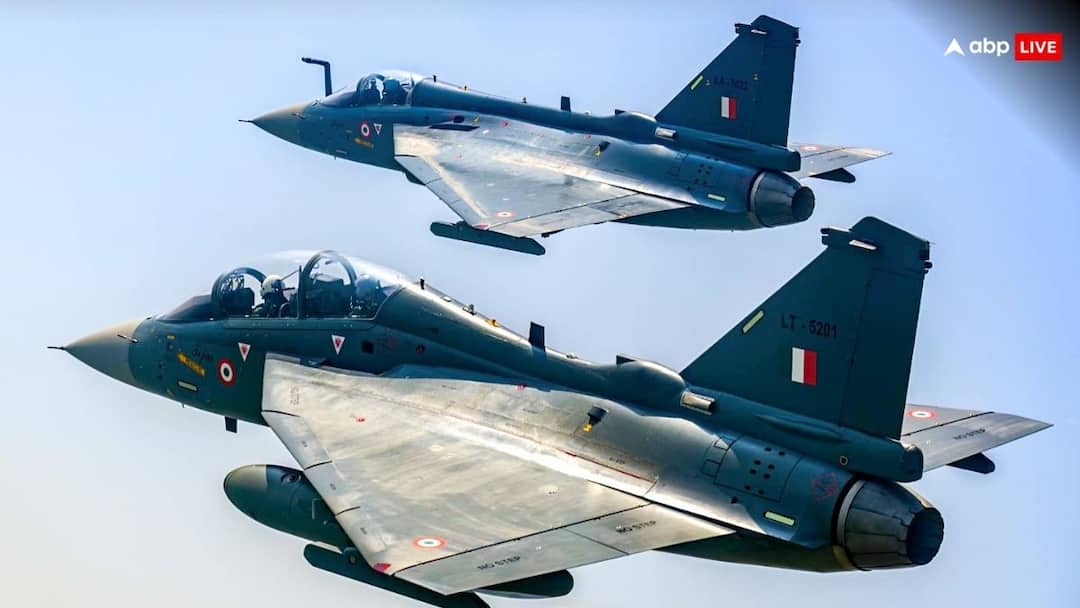
A major accident occurred at the Dubai Airshow on Friday (November 21, 2025), when India’s indigenous Tejas fighter jet crashed. This was the last day of the airshow. This incident happened at 2.10 pm, in which the pilot also died. This is a big blow for India because many countries were showing interest in purchasing this aircraft. While flying in the air, suddenly the aircraft came down rapidly and turned into a ball of fire.
The video of the incident has also surfaced, seeing which it can be estimated how dangerous the accident was. LCA Tejas is a 4.5 generation aircraft, which is capable of flying in all weather conditions and is a multi-role fighter aircraft. LCA Tejas has been developed by Hindustan Aeronautics Limited (HAL). It has been constructed in such a way that it can easily perform tasks like attack air missions, close combat and ground attack.
This aircraft can also perform maritime operations, which is to replace the retired MiG 21. The most upgraded and modern version of Tejas is LCA Mk1A. The models of Tejas that are being prepared or being developed are:
- Single-seater fighter aircraft for the Air Force
- Single-seater fighter aircraft for the Navy
- Twin-seater trainer aircraft for Air Force
- Twin-seater trainer aircraft for Navy
Tejas is fitted with several new and advanced technology systems, including AESA radar, EW suite (which includes radar warning and self-protection jammers), Digital Map Generator (DMG), Smart Multi-Function Display (SMFD), Combined Interrogator and Transponder (CIT) and Advanced Radio Altimeter.
With all these technologies Tejas Mk1A becomes even more accurate, powerful and safe. Its length is 13.2 meters, width is 8.2 meters and height is 4.4 meters. It has a takeoff capacity of 13,500 kg and a maximum speed of Mach 1.6. It has GE F404-IN20 engine, its engine thrust (A/B) is 85 kilo newtons and it can fly up to 50,000 feet altitude. Its number of hard points is 9.