
 By Admin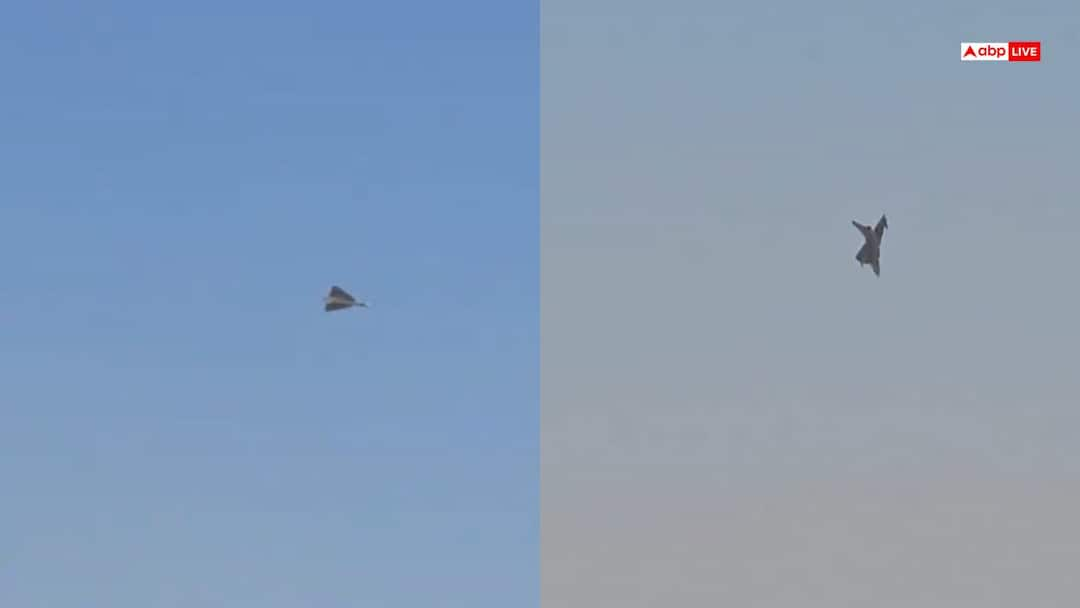
The pilot of the LCA Tejas fighter plane that crashed at the Dubai Air Show tried to beat death at the last moment, but the plane hit the ground and his life could not be saved. This accident happened when the plane was performing a very dangerous stunt.
Accident during dangerous ‘negative G turn’
Aviation experts, after watching the video, said that the Tejas aircraft suddenly started falling downwards while doing a negative G turn. The pilot tried to straighten the plane again and gain altitude, but by then it was too late and the plane fell to the ground. Negative G is such a situation when the plane rotates strongly in the opposite direction and reverse pressure of gravity starts acting on the body.
The pilot tried to control till the end
In negative G, the blood inside the body rushes towards the head, due to which the pilot can also become unconscious. In such a situation, it is very difficult to keep the plane under control. It is being estimated from the video that the pilot kept trying to control and straighten the plane till the end, but he could not succeed.
❗️Dubai Air Show spectators evacuated safely after Indian Air Force’s Tejas aircraft crash, emergency services present at the scene – TASS https://t.co/LhsS0KjlyL pic.twitter.com/k8KN35PlWq
— RT Hindi (@RT_hindi_) November 21, 2025
This Tejas was in service since 2016
The Tejas fighter jet that crashed belonged to the squadron deployed at Sulur airbase in Tamil Nadu and was in the service of the Indian Air Force since 2016. IAF also confirmed the accident and the death of the pilot by posting on X.
Tejas – IAF’s safest fighter jet
After the recent retirement of MiG-21, Tejas was being considered as the new reliable fighter of the Air Force. This is the second accident of Tejas in 24 years. The first accident occurred in Jaisalmer, Rajasthan in March 2024 – that is, 23 years after the first test flight in 2001.
Why is Tejas aircraft ‘unstable’ but extremely agile?
The design of Tejas has been deliberately kept unstable so that it can turn at lightning speed both in air shows and in combat. To keep it balanced, a very advanced fly-by-wire system (flight computer) has been installed in it – the same technology is also used in the American fighter plane F-16.