
2 Dec 2025, Tue

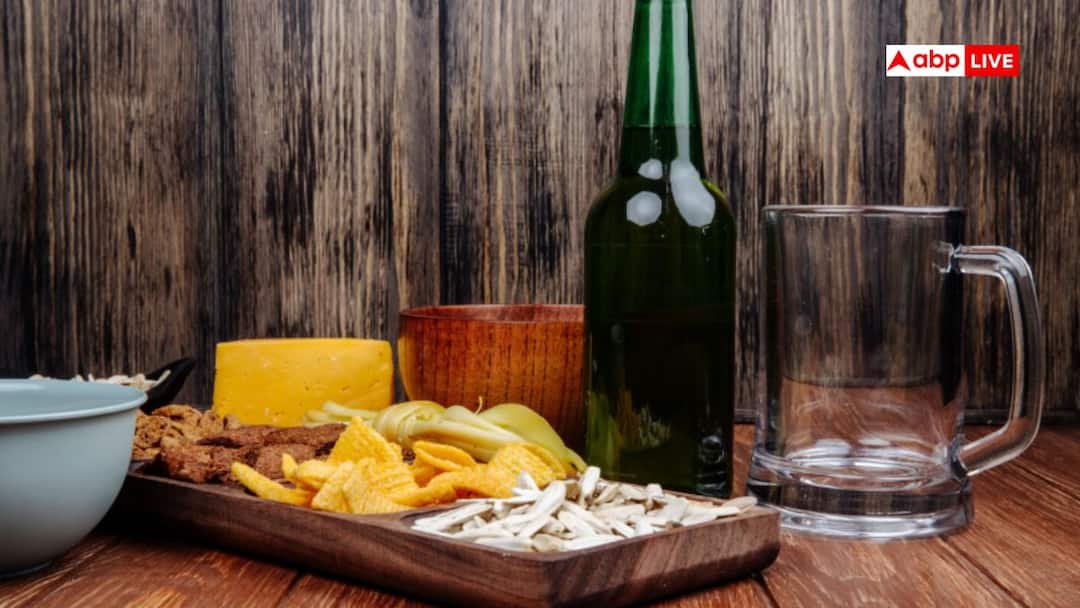
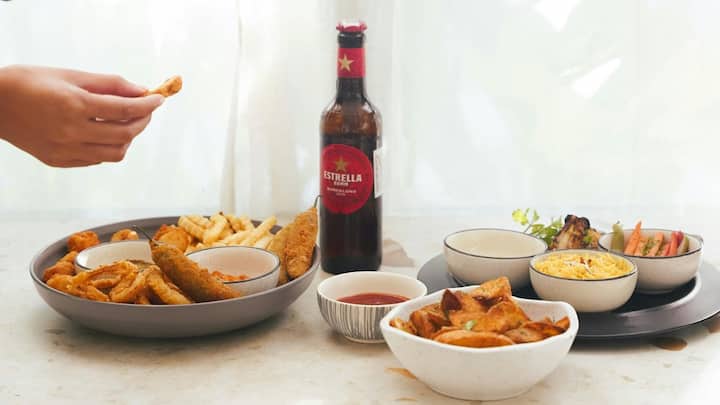
First of all, understand why tasting is considered so important. The body rapidly absorbs alcohol directly through the walls of the stomach. If the stomach is empty then alcohol spreads in the blood like lightning and intoxication increases in an unbalanced manner.

First of all, understand why tasting is considered so important. The body rapidly absorbs alcohol directly through the walls of the stomach. If the stomach is empty then alcohol spreads in the blood like lightning and intoxication increases in an unbalanced manner.

Scientific research says that if food is present in the stomach, the absorption of alcohol slows down by 70-75%. This is the reason why doctors all over the world advise that if you want to drink, never drink on an empty stomach.
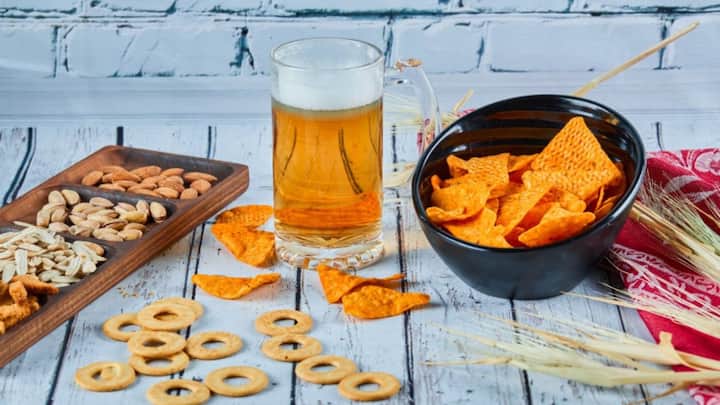
Scientific research says that if food is present in the stomach, the absorption of alcohol slows down by 70-75%. This is the reason why doctors all over the world advise that if you want to drink, never drink on an empty stomach.

Now let's talk about the journey that made Chakhna the 'companion of wine' in India. Liquor was a major revenue source during British rule, so there was no cultural association with food and drink. But in the beginning of the 20th century, a large number of workers in the mill areas of Bombay started resorting to alcohol daily.
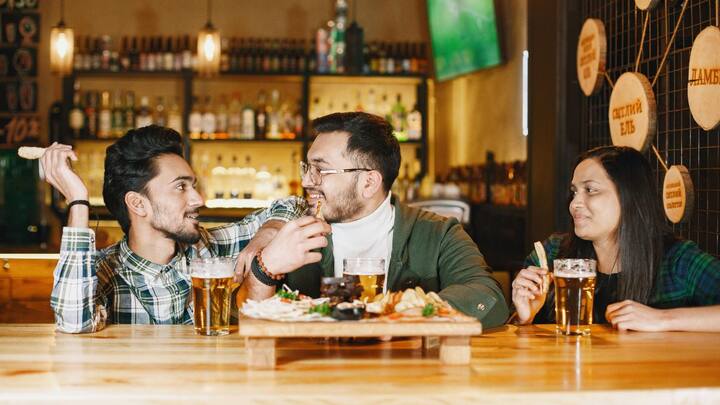
Now let’s talk about the journey that made Chakhna the ‘companion of wine’ in India. Liquor was a major revenue source during British rule, so there was no cultural association with food and drink. But in the beginning of the 20th century, a large number of workers in the mill areas of Bombay started resorting to alcohol daily.

To prevent this habit from becoming a burden on society, many states made rules like America that eating with alcohol would be mandatory. Then the restaurants in India started serving the cheapest and most easily available food, like boiled gram, boiled eggs, peanuts, namkeen.
To prevent this habit from becoming a burden on society, many states made rules like America that eating with alcohol would be mandatory. Then the restaurants in India started serving the cheapest and most easily available food, like boiled gram, boiled eggs, peanuts, namkeen.

Talking about quality, this food was just a formality. There were complaints in the newspapers that poor quality food was served at the vendors, but in the then environment no one had the power to stop it.
Talking about quality, this food was just a formality. There were complaints in the newspapers that poor quality food was served at the vendors, but in the then environment no one had the power to stop it.

After independence, there was a period of prohibition in the 1950s, but the prohibition pushed the liquor shops underground. The interesting thing is that in those days, if one had to find a liquor shop in Bombay, the clue about it was found from the people eating there. Where you see a lot of people selling gram, eggs or chutney on the roadside, understand that there is a secret contract nearby.
After independence, there was a period of prohibition in the 1950s, but the prohibition pushed the liquor shops underground. The interesting thing is that in those days, if one had to find a liquor shop in Bombay, the clue about it was found from the people eating there. Where you see a lot of people selling gram, eggs or chutney on the roadside, understand that there is a secret contract nearby.

Then came the 70s, when bar and restaurant culture started spreading in cities. Due to increasing competition, many times they started giving free gram, papad or chutney, so that customers stay longer and order more. This practice gradually transformed into 'tasting service'. By the 90s, tasting had become an industry. Grilled chicken, Chinese snacks, masala peanuts, fried fish – all made their place. Now it is not just a tradition but has become a business model. The pairing of snack with drink is as strong today as it was when it was first created.

Then came the 70s, when bar and restaurant culture started spreading in cities. Due to increasing competition, many times they started giving free gram, papad or chutney, so that customers stay longer and order more. This practice gradually transformed into ‘tasting service’. By the 90s, tasting had become an industry. Grilled chicken, Chinese snacks, masala peanuts, fried fish – all made their place. Now it is not just a tradition but has become a business model. The pairing of snack with drink is as strong today as it was when it was first created.

Published at : 02 Dec 2025 08:31 AM (IST)

General Knowledge Photo Gallery

Source link

By Admin

Leave a Reply

Your email address will not be published. Required fields are marked *