
 By Admin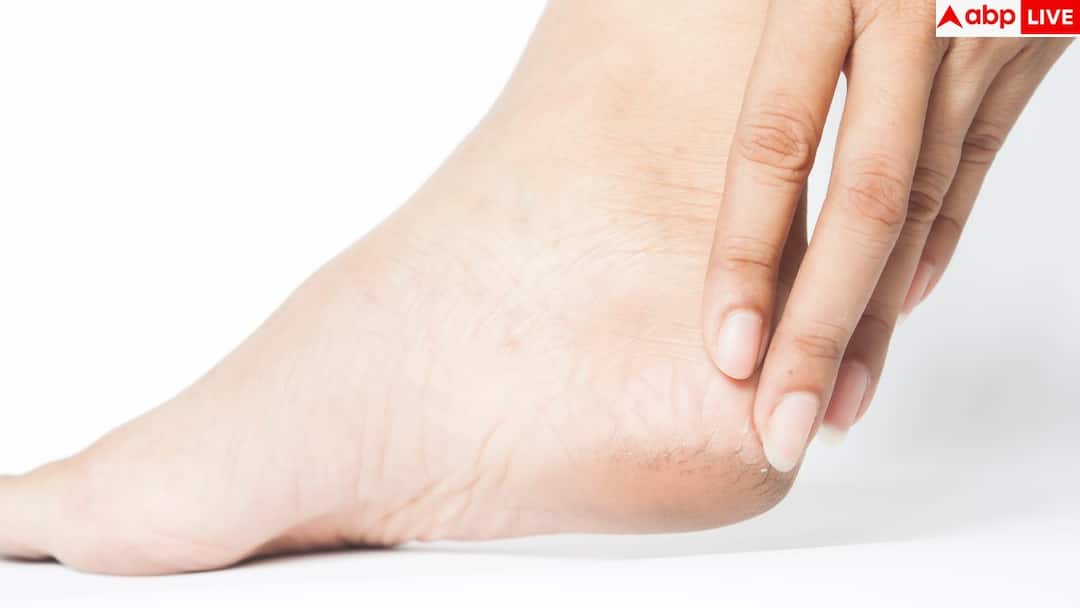
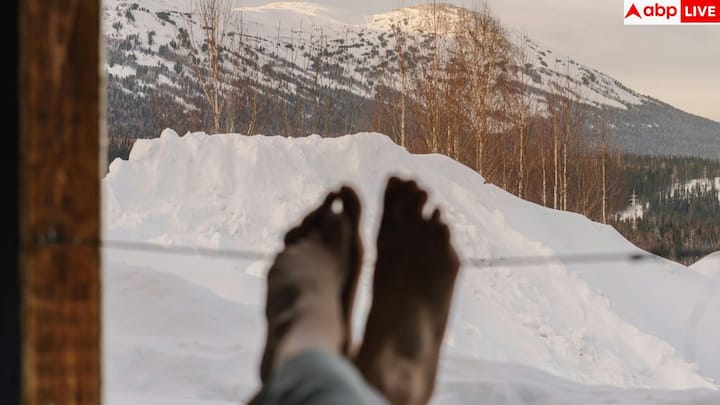
As the cold air draws out moisture, the thick skin of the feet becomes more dehydrated. The skin of the heels is anyway a bit hard, hence it starts cracking immediately as soon as it dries. Wearing open slippers, standing for a long time, increasing age or obesity all increase the problem.
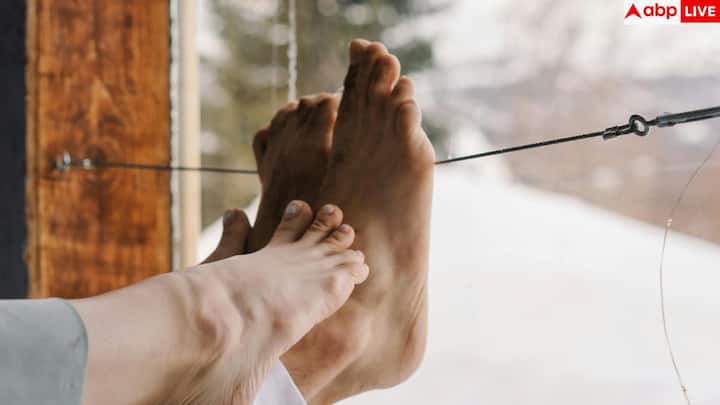
Initial symptoms of cracked heels include dry and hard skin, mild peeling, thin or deep cracks and pain when walking. Sometimes redness or even slight blood starts appearing at some places.

Moisturizing is the most important step in this season. Thick and thick foot creams like those containing urea, glycerine, shea butter or petroleum jelly help a lot in keeping the heels soft. Applying the cream immediately after bathing ensures that the moisture lasts longer.
Soaking your feet in lukewarm water softens the skin and makes it easier to exfoliate. After soaking for about ten-fifteen minutes, dead skin can be slowly removed with a pumice stone. It is not good to rub too much, it can increase the cracks further.
Heel balms are more effective than ordinary creams. These help in quick healing of cracks and deeply nourish the skin overnight. Applying heel balm before sleeping makes heels look better in the morning.
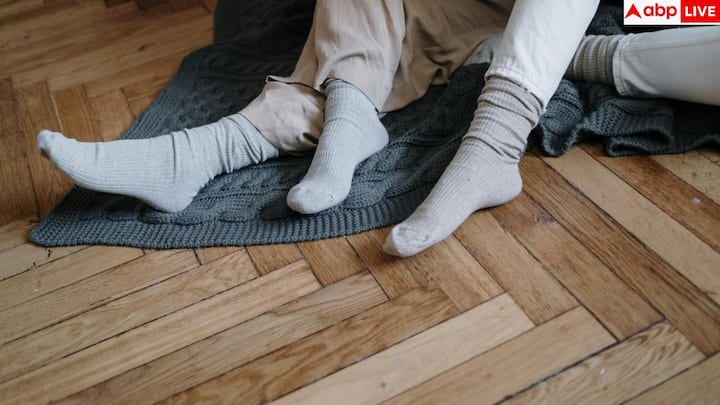
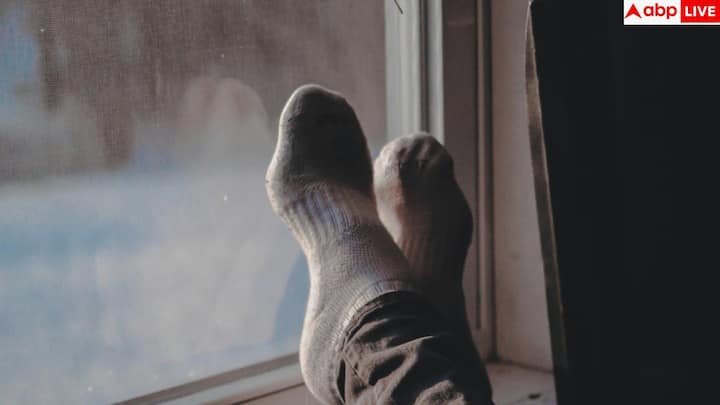
Wearing cotton socks after applying the cream is also very beneficial. This keeps moisture out, dust does not stick and also reduces friction on the heels. The effect of this small solution is visible very fast.

Footwear also plays a big role. Wearing closed and breathable shoes in winter protects the heels from cold, dry air. Shoes with very thin or hard soles make the problem worse by increasing pressure on the heels.

If the heels are very deeply cracked, there is pain in walking or mild infection is visible, then home remedies will not provide relief. In such a situation, it is necessary to take proper treatment from a skin expert or foot-care expert.
Published at : 03 Dec 2025 11:04 AM (IST)