
 By Admin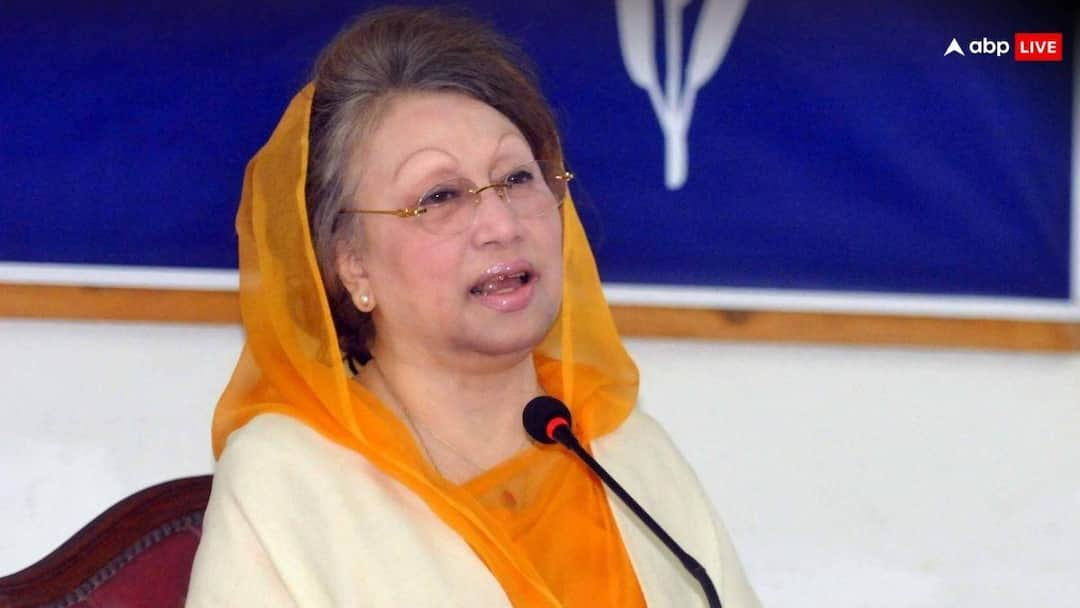
Former Bangladesh Minister Mohibul Choudhary considered former Prime Minister Begum Khaleda Zia as a wise and dynamic leader. He said that today when the interference of fundamentalists has increased in the power of Bangladesh, Zia’s absence will definitely be missed in the times to come.
In an exclusive conversation with IANS on Tuesday (December 30, 2025), the former minister called Zia the ‘soft voice of the right wing’. Chaudhary, leader of Bangladesh Awami League and close to former Prime Minister Sheikh Hasina, expressed his views on Zia’s tenure ranging from women’s upliftment to her understanding of geopolitics.
Question: How do you view the demise of Begum Khaleda Zia?
Mohibul Chaudhary: According to me, Begum Khaleda Zia was the softest voice among the right-wing leaders of Bangladesh. When she was leading right-wing politics, she understood well the limitations of geopolitics, relations between the two countries and fundamentalist thinking in governance. Despite alliances with parties like Jamaat-e-Islami, she managed to control and rein in the radicals, thereby saving Bangladesh from becoming an institutional theocracy. The impact of his departure will be greatly felt on the political ecosystem of Bangladesh, especially at a time when the influence of fundamentalists is increasing.
Question: How will future generations remember his political legacy?
Mohibul Chaudhary: Many of today’s youth may not fully remember his first term as prime minister, which took place during the difficult transition from military rule to democracy in 1991. Despite poverty, natural disasters, and political opposition, she kept the economy running and led the country toward democratic consolidation. He prioritized women’s empowerment, ensured girls’ access to education and healthcare, and did not compromise on basic welfare rights even while forming alliances with religion-based parties. She will be remembered as a strong but practical leader who believed in democratic balance.
Question: What role did he play in the current political environment of Bangladesh?
Mohibul Chaudhary: At a time when Bangladesh is facing an existential political challenge, his experience, age and political understanding could have helped in bringing about a rapprochement between the two major political streams—BNP and Awami League. His absence has made reconciliation more difficult, but many people still hope that the era of political dialogue will continue in its original spirit.
Question: How do you see Sheikh Hasina’s approach towards Khaleda Zia?
Mohibul Chaudhary: Despite political hostility and legal challenges, Prime Minister Sheikh Hasina treated Khaleda Zia with humanity. Hasina ensured that she had access to state-of-the-art health facilities, including treatment by foreign doctors. Khaleda Zia’s health had deteriorated after Sheikh Hasina’s departure, but due to Sheikh Hasina’s earlier decisions, her life was prolonged through necessary medical treatment.
Question: How were Begum Khaleda Zia’s relations with India?
Mohibul Chaudhary: His political alliances sometimes complicated India-Bangladesh relations, and some in his government took damaging actions, particularly in the case of insurgents in India’s Northeast. However, Khaleda Zia herself understood the geopolitical reality of Bangladesh—that stable relations with India were essential for economic and regional stability. Whenever possible, he himself worked to facilitate relations and in 2015 contacted the Indian leadership, including Prime Minister Narendra Modi, to seek cooperation and political engagement. She was a realist in foreign policy and mutual relations.
Also read:-
Another Hindu youth murdered in Bangladesh, Muslim friend opened fire, third incident in 15 days