
 By Admin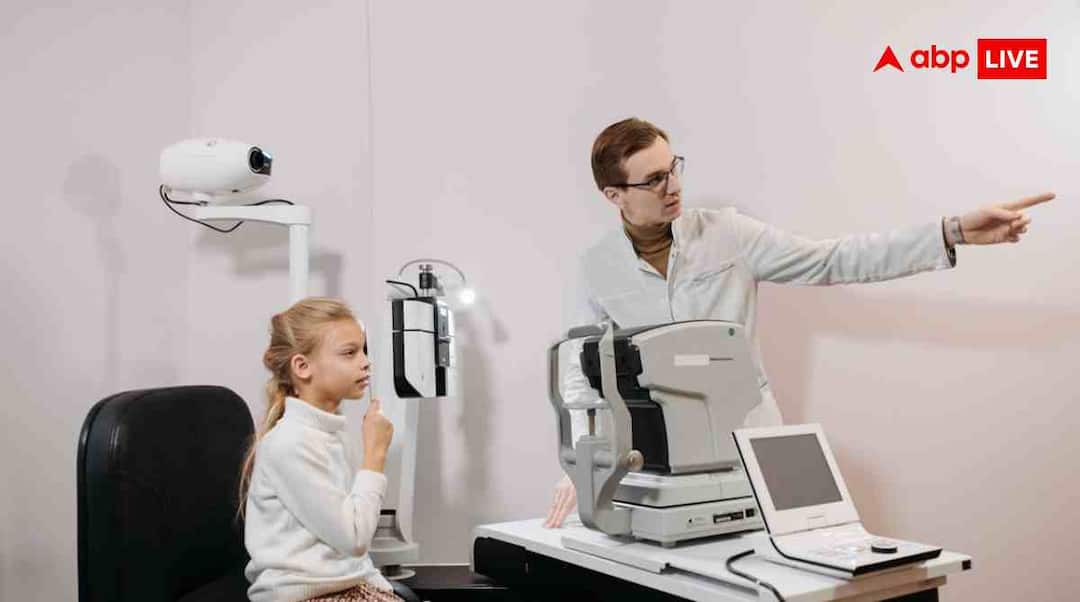
We often believe that the function of the eyes is only to see, but do you know that your eyes can also tell about the health of your brain. Recently, scientists have made such a shocking revelation that it can be known whether a person may suffer from a serious disease like dementia in the future or not and this signal comes directly from the eyes.
Dementia is a disease that gradually changes a person’s memory, thinking ability, daily activities and even his nature. This disease is not limited only to the elderly, but can affect anyone with time. Now scientists say that if some changes occurring in the eyes are identified in time, then the risk of dementia can be understood in advance and steps can be taken towards treatment.
What is dementia and how dangerous is it?
According to the National Institutes of Health, dementia is affecting millions of people around the world. In America alone, more than 60 lakh people are suffering from this disease and every year about 10 lakh people die due to complications related to dementia. Dementia is not a single disease, rather it is a group of many types of brain diseases, the most common of which is Alzheimer’s disease.
If you see these symptoms in the eyes then understand that dementia is going to happen.
Scientists have found that a very important part present at the back of the eyes, the retina, can give an early indication of the risk of dementia. The retina is the part of the eye that captures light and transmits it to the brain. The retina is like a bridge between the eye and the brain. According to experts, the optic nerve is directly connected to the central nervous system. Therefore, if the retina starts weakening or becoming thin, it may be a sign that changes are gradually starting in the brain.
What did the research reveal?
In a study published in the journal Frontiers in Aging Neuroscience, scientists conducted research on about 30,000 adults for about 10 years. During this, the eyes of the participants were examined with a technique called retinal optical coherence tomography (OCT). People who had thin retinas were found to be at higher risk of developing dementia. With every unit decrease in retinal thickness, the risk of dementia increases by 3 percent. The risk of frontotemporal dementia (FTD) was found to be 41 percent higher in people whose layer in the middle part of the retina was thin. In the follow-up done after 9 years, 148 people were diagnosed with Alzheimer’s and 8 people were diagnosed with FTD, which proved the research results correct.
Common symptoms of dementia
According to the National Institute on Aging and the NHS, the symptoms of dementia gradually increase, such as frequent forgetting of things, slow thinking and understanding, trouble finding words in conversation, difficulty in making decisions, sudden changes in mood, irritability or restlessness, difficulty in doing everyday tasks. If these symptoms persist for a long time, it is very important to immediately consult a doctor.
Can dementia be prevented?
There is no sure shot cure to completely prevent dementia, but its risk can be reduced by adopting some habits. Which includes healthy and balanced diet, daily exercise, activities that keep the brain active, adequate sleep, abstinence from smoking and alcohol, regular eye and health check-ups.
Also read: To avoid diabetes, you frequently take sugar free drinks, know how it destroys the liver?
Disclaimer: This information is based on research studies and expert opinion. Do not consider this as a substitute for medical advice. Before adopting any new activity or exercise, please consult your doctor or relevant specialist.
Check out below Health Tools-
Calculate Your Body Mass Index (BMI)
Calculate The Age Through Age Calculator