
 By Admin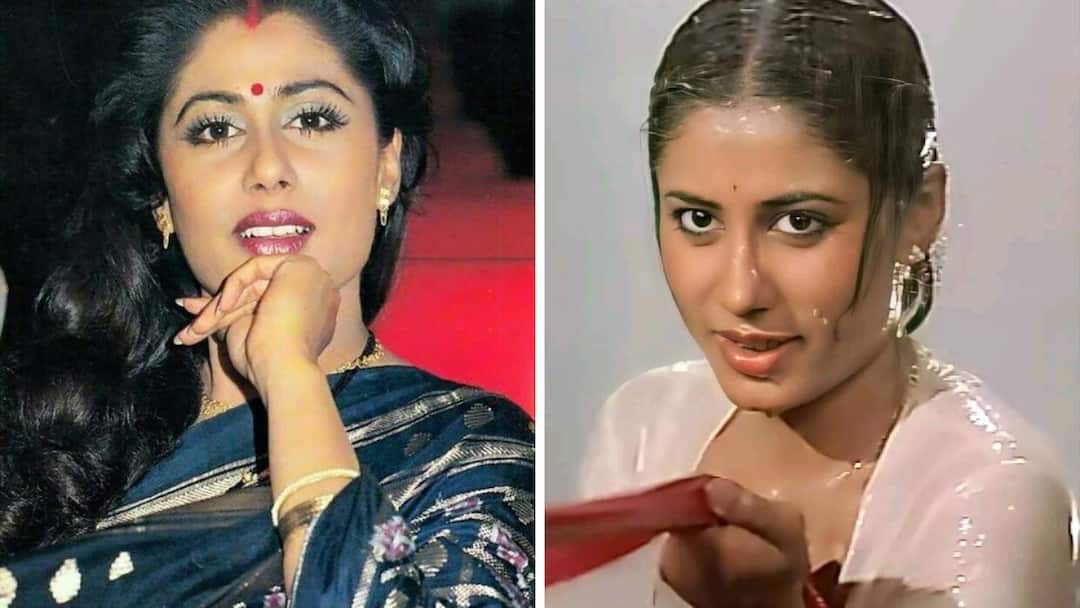
Even before the discussion on exploitation and objectification of women in films started, Smita Patil was challenging this system. At a time when glamor and sexualized images were considered the easiest way to sell films, Smita clearly said that using women merely as marketing tools was wrong.
Smita Patil was never interested in playing merely a decorative role. He chose films based on true life, struggle and emotion. Her popular films like Bhumika, Manthan, Aakrosh, Ardh Satya and Mirch Masala show women as strong, independent and struggling, this is not limited to beauty only. Smita was equally fearless even outside the screen.
Question on double standard
In an old interview, he openly said that it is wrong to consider films as hits only with half-naked female characters. He had said- ‘You cannot show the hero naked, nothing is going to happen with it. But if you show a woman naked, it seems like a hundred more people will come. This thing has been imposed on the Indian audience that look, there is sex in it. If you are half naked then come and watch the movie. This has become an attitude which is very wrong. If the film has to run, if the film is saying one thing from the true heart, then only that film will run. A film does not work with such posters alone.
Whatever Smita Patil said in this interview is still relevant. And this is exactly what Sandeep Reddy Vanga does in his film.
byu/Other_Cucumber7750 inBollyBlindsNGossip
Smita challenged not only the film makers but also the thinking prevalent in the society in which it was believed that people would be attracted only by seeing sexualized images of women. He clearly said that this never happens for men, it is a double standard.
Strong identity in parallel cinema
Smita Patil’s real strength was that she used to do what she said. His film choices made him an important personality of Indian parallel cinema. Her films showed stories of women struggling with social pressure, injustice and power struggle. Her work inspired future generations of actresses and filmmakers to reimagine women’s roles.
Untimely death and the void left
Unfortunately, Smita’s life ended very early. She died on 13 December 1986 at the age of just 31 due to complications after delivery. His demise shook the film industry and that void is still felt today. Yet his courage, voice and contribution to cinema will continue to inspire generations to come.