
 By Admin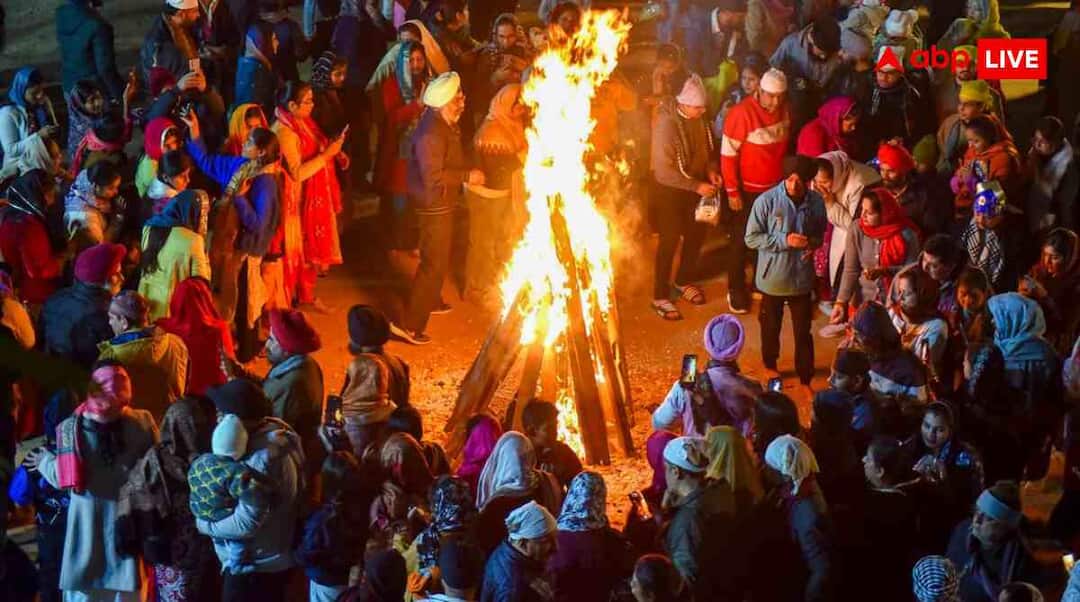
India is called the country of festivals. Here every season, every change and every natural phenomenon is associated with some festival or the other. The month of January is also such a special time, when winter slowly starts leaving and the crops blooming in the fields start showing the fruits of the hard work of the farmers. At this time, a big festival is celebrated all over the country, which we know as Makar Sankranti. Makar Sankranti is not just a festival but a celebration of life related to nature, sun and farming.
This is the reason why it is celebrated with great enthusiasm and devotion all over India. However, the interesting thing is that the name, form and traditions of this festival are different in different parts of the country. Somewhere it is Khichdi, somewhere Lohri, somewhere Pongal and somewhere Bihu. The question arises that when the festival is the same, then why are its names and methods so different. So let us know why the names of festivals related to crops are different in every state, from Lohri-Sankranti to Pongal.
Why are the names of festivals related to crops different in every state?
In our country, climate, crops, dialect, food and traditions change every few hundred kilometers. The method of farming and the time of harvesting are also different in every region. Therefore, the same festival takes a new name and new color in every state according to the local culture. The reason for the different names of festivals related to crops in every state is due to the geographical, cultural and agricultural diversity of India. The weather is not the same in every part of India, somewhere it is cold, somewhere it is hot and somewhere it rains. For this reason, the time of crop ripening and harvesting is also different.
When the harvest is ready, people celebrate and a festival is organized around that time. Somewhere paddy is grown, somewhere wheat, somewhere sugarcane and somewhere maize, due to different crops, the dishes prepared during festivals and rituals also change, and the names are also kept according to the local crops. Every state in India has its own language and culture. People give different names to the same festival in their own language, like Makar Sankranti somewhere is Pongal, somewhere Bihu, somewhere Lohri and somewhere Khichdi.
North India Festival of Khichdi and Daan
In Uttar Pradesh and Bihar, Makar Sankranti is usually called Khichdi. On this day, bathing in Ganga and charity have special significance. People take bath in the rivers early in the morning and offer prayers to the Sun and donate food, clothes and money to the needy. Magh Mela is organized on this occasion in Prayagraj, where lakhs of devotees gather. Urad dal and rice khichdi, sesame laddus and jaggery have special importance in the food. The tradition of eating curd-chuda in Bihar is also associated with this day.
West India Kites, Sweetness and Friendship
In Gujarat, Makar Sankranti is called Uttarayan. Here this festival is celebrated as Kite Festival. The sky is filled with colorful kites and people of all ages participate in this festival. Traditional food items like Undhiyu and Chikki are prepared. Kite flying is also done in Rajasthan, but special attention is also paid to family traditions. In many parts of Maharashtra and Rajasthan it is called Sankranti or Sakrat. Here people distribute sesame seeds and jaggery.
Punjab and Haryana Festival of Fire and Excitement
Lohri is celebrated a day before Makar Sankranti in Punjab. People light a bonfire, roam around it and offer peanuts, rewari and flowers. It symbolizes the end of winter and the welcome of the new harvest. Maghi is celebrated the next day, in which there is a tradition of bathing and charity.
South India’s four-day festival of Pongal
In Tamil Nadu, Makar Sankranti is called Pongal and is celebrated for four days. In which the first day is Bhogi Pongal. A new beginning is made by burning old things. On the second day, Thai Pongal, Pongal made of milk and new rice is offered to the Sun God. After this, Mattu Pongal, the animals that help in farming are worshiped and on the fourth day, Kanum Pongal, the family and relatives celebrate together. In Karnataka it is called Suggi. Here people distribute Ellu-Bel (sesame, jaggery and coconut) to each other.
Also read: Sweet potato becomes superfood in winter, know 6 big benefits of sweet potato from heart to immunity.