
 By Admin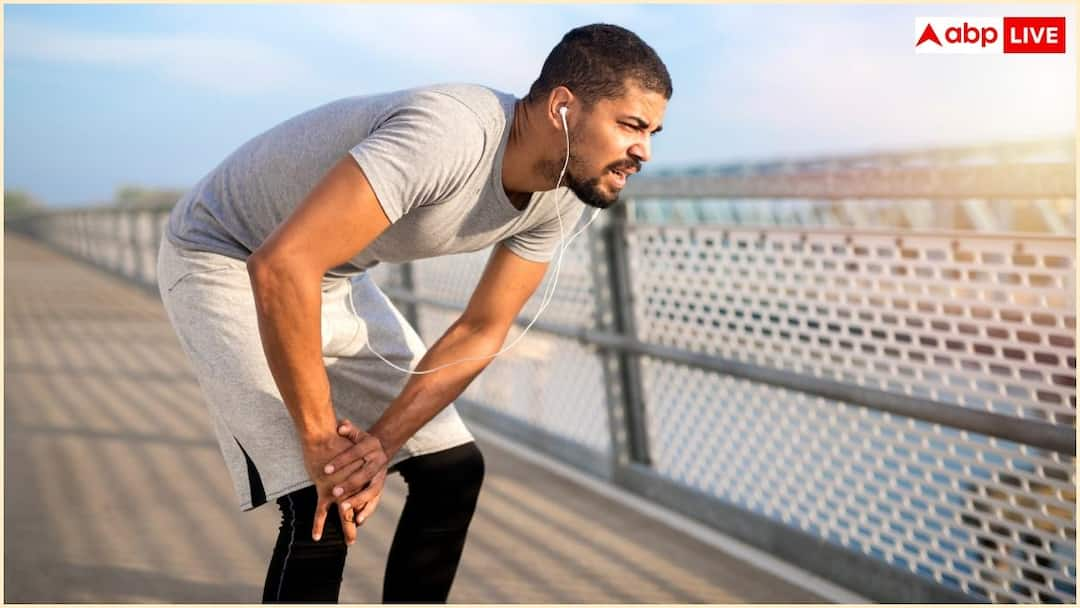
During the winter season, many people start suffering from knee pain and joint stiffness, especially the elderly, arthritis patients and those who are already suffering from joint problems. As the cold increases, it seems as if the knees have become rusty, it becomes difficult to get up, sit and walk. Let us know what is its cause and treatment?
What do doctors say?
According to doctors, the cause of knee pain during winter is not just cold but also many changes taking place inside the body. Actually, atmospheric pressure i.e. barometric pressure decreases in winter. This can increase swelling in the tissue around the joints, causing pain and stiffness. At the same time, blood circulation slows down due to cold. The synovial fluid present in the knees, which lubricates the joints, becomes thick in the cold. The result is that the movement of the joints decreases and the pain increases. Apart from this, due to less sunlight in winter, there is deficiency of Vitamin D, which makes bones and joints weak.
What does Ayurveda say?
Ayurveda associates it with the increase of Vata dosha. According to Ayurveda, Vata dosha increases in cold and dry weather, which causes dryness, pain and stiffness in the joints. The mucus phlegm present in the body, which naturally lubricates the joints, starts drying up due to the increase in Vata. This is the reason why knee problems are felt more in winter.
What is Ayurvedic treatment?
Ayurvedic treatment and home remedies can provide considerable relief from this pain. The easiest and most effective solution is oil massage. Lightly massaging the knees with sesame oil or Mahanarayan oil daily brings warmth to the joints and reduces stiffness. Eating soaked fenugreek seeds on an empty stomach in the morning is also considered beneficial, because fenugreek has a warming nature and helps in reducing swelling. Drinking decoction of turmeric and ginger reduces internal swelling and gives strength to the joints.
These methods also work
Along with this, it is very important to drink lukewarm water in winter, sit in the sun for some time every day and do light exercise. Apart from this, one should avoid sitting on cold floor, walking barefoot and eating cold food. If the pain is severe or persists for a long time, it is better to consult an Ayurvedic doctor.
Also read: Is the habit of cracking the neck a risk of stroke, the physician told – when does this problem increase?
Disclaimer: This information is based on research studies and expert opinion. Do not consider this as a substitute for medical advice. Before adopting any new activity or exercise, please consult your doctor or relevant specialist.
Check out below Health Tools-
Calculate Your Body Mass Index (BMI)
Calculate The Age Through Age Calculator