
 By Admin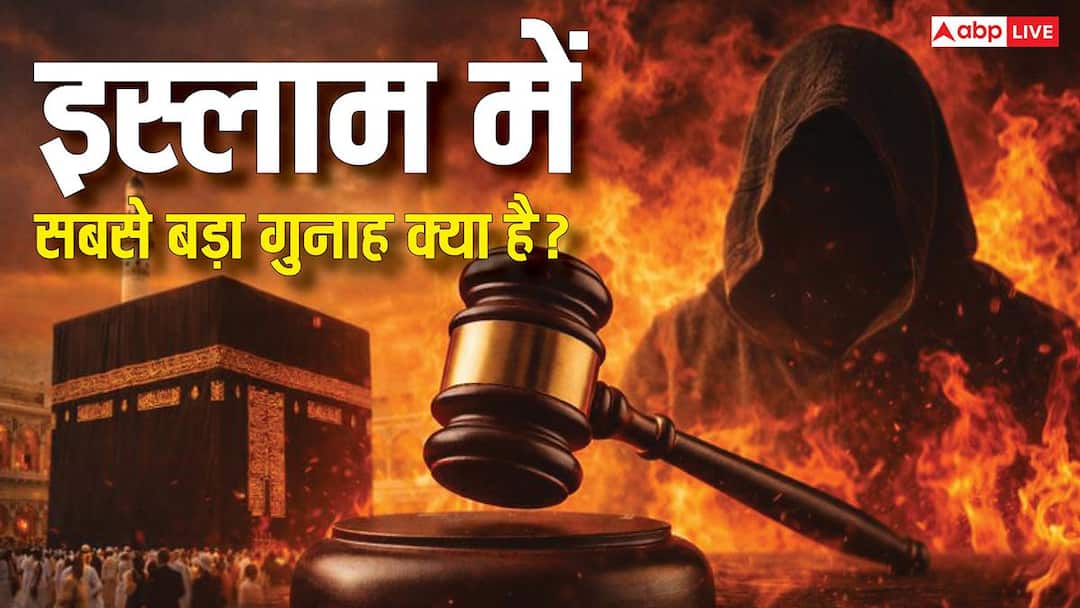
Guilt-e-kabira in Islam: According to the religion of Islam, certain limits have been set to improve human life. Breaking these limits is considered a crime in the religion of Islam. There are some sins which are considered serious in the Quran and Hadith, which are known as Gunah-e-Kabira.
These crimes not only endanger the afterlife (life after death) of a person, but also create problems in the society.
What are Gunah-e-Kabira in Islam? What rules have to be followed in this and what punishment does Islam impose on them? Muslim religious leader Maulana Ifrahim Hussain tries to understand these things in simple language.
What after death?
Muslim religious leader Maulana Ifrahim Hussain said that in the Muslim society, there are some sins which are considered very serious from the Islamic point of view, these are called Gunah-e-Kabira or Gunah-e-Azeem.
According to Islam, these are those serious crimes on which Allah Ta’ala deals strictly and if a person bids goodbye to this world without repenting then he may have to face severe punishment in the hereafter (life after death). Even that person is directly sent to hell.
What are the punishments in Gunah-e-Kabira?
Maulana Ifrahim Hussain said that Shirk is a very serious crime in Islam, that is, considering someone else as God equal to Allah. Allah alone is worthy of worship, worshiping anyone else other than Him or considering anyone similar to Him is a sin.
He further said that the status of parents is very important in Islam and disobeying their orders is also included in the crime of Kabira. Violating the rights of orphans (fatherless) and poor (extremely poor or needy) people is also a sin. It is considered a big crime in Islam.
Similarly, committing Zina (having illicit sex without marriage), killing someone unnecessarily or taking the life of an innocent person are also included in the crime of Gunah-e-Kabira. In Islam, sins are divided into two parts. One is those mistakes which are related to the Haqook (rights group) of Allah.
If one repents from such sins with a true heart, then Allah Almighty forgives His servant, because Allah is forgiving.
Other crimes are those related to the rights of people, these include violating someone’s rights, snatching, snatching the property of a helpless person. Such crimes are not forgiven only by repentance, but until the rightful person gets his rights back, he does not get complete forgiveness.
The bigger the mistake, the bigger the punishment – Islam
According to Maulana Ifrahim Hussain, the punishment for every crime is different. Only Allah will decide in the hereafter who will receive what punishment. The bigger the crime, the bigger punishment will be given to him.
If a person leaves this world with these sins without repenting, then he is given severe punishment in the hereafter. He can even be sent to hell. Therefore, in Islam, a person is advised to avoid sins at all times.
Disclaimer: The information provided here is based only on assumptions and information. It is important to mention here that ABPLive.com Does not imply any endorsement or verification of information. Before implementing any information or belief, consult the concerned expert.