
 By Admin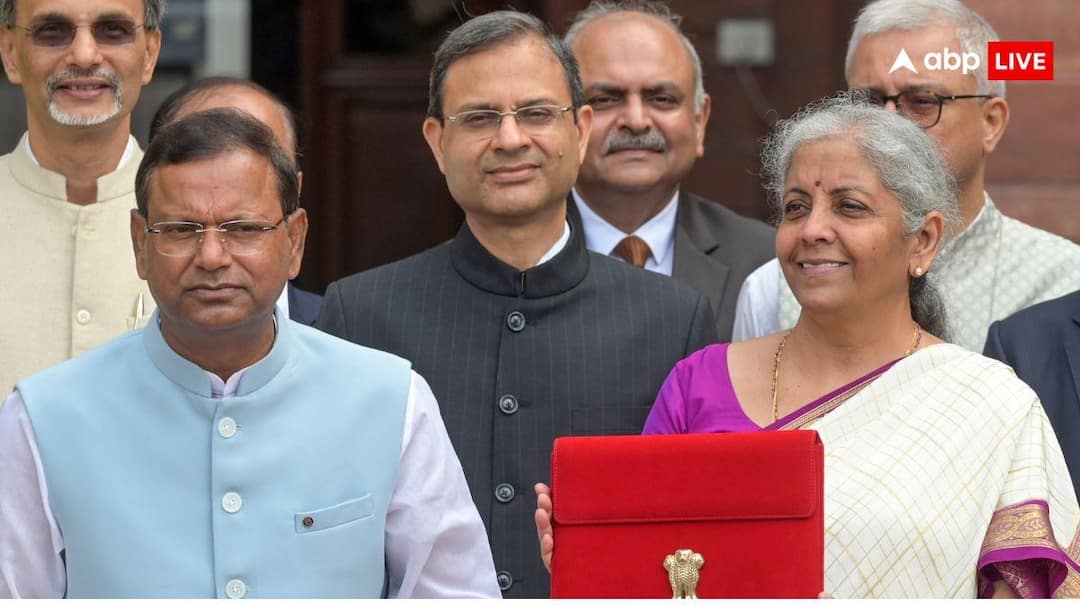
Budget 2026 Key Terms Explained: The Union Budget to be presented on 1 February 2026 will not only decide the economic direction of the country, but it is also linked to the expectations of the common people. When Finance Minister Nirmala Sitharaman will present the budget in Parliament, not only the country but the whole world will have an eye on India’s policies. Everything said in the budget affects the country.
Every section has different expectations from the central government. But sometimes its difficult language confuses people and they are not able to understand the budget properly. For this reason, to truly understand the budget, it becomes very important to know the words and meanings associated with it. Let us know about some words related to the budget…
What is the meaning of fiscal deficit?
When a big gap arises between the income and expenditure of any government, then to fulfill it, the government has to take loan from the market. This borrowing is called fiscal deficit. If this deficit increases too much, there is pressure on the economy.
Due to which the economy becomes weak. At the same time, when it remains within a limited range, the financial condition of the country is considered balanced.
Difference between capital and revenue expenditure
The money the government spends on building permanent facilities like roads, bridges, schools and hospitals is called capital expenditure. It is considered a good investment, because it strengthens the country’s strength in the future.
At the same time, salary, pension and daily expenses of employees come under revenue expenditure. No new wealth is created from these expenses. However, it helps in running the government system.
Role of fiscal and monetary policy
People have difficulty in understanding words like fiscal and monetary policy during the budget. When the government balances taxes and government expenditure through the budget, it is called fiscal policy.
At the same time, fixing the interest rate and printing notes as per the need is done under the monetary policy of the Reserve Bank. Efforts are made to keep the economy stable only through the coordination of these two policies.
Government raises money through disinvestment
When the government needs additional money, it sells stake in its government companies. Which is called disinvestment or disinvestment. In common language, it can be understood as if a family meets its expenses by selling its valuables when needed. With this, the government gets immediate funds, with the help of which it works to carry forward its schemes.
Also read: Budget 2026: Will crypto investors get tax relief? Know what are the expectations of investors from the budget