
 By Admin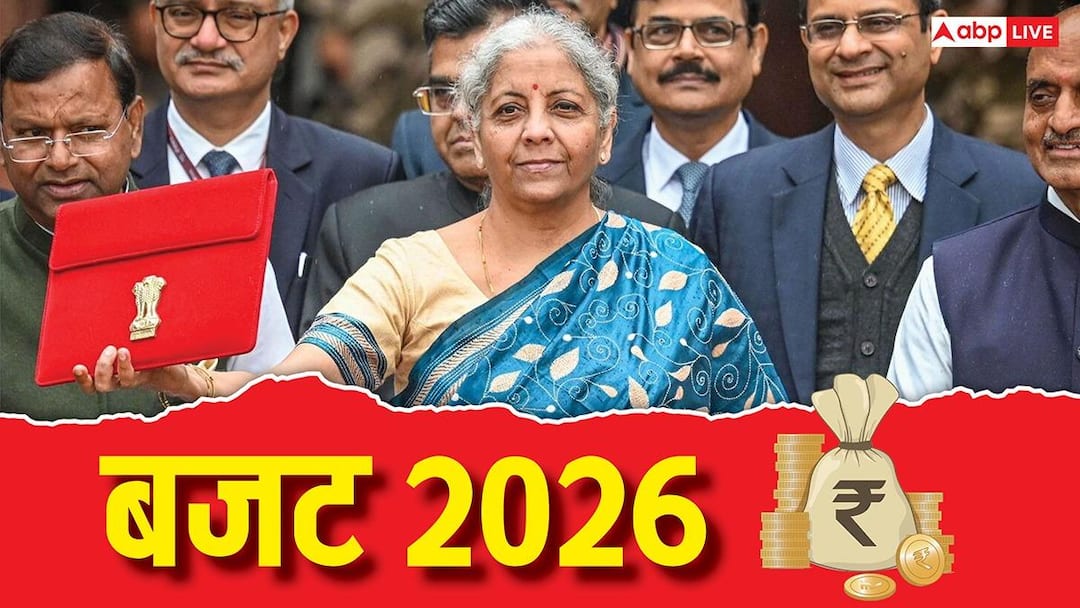
Budget 2026: If we understand Budget 2026 as a whole in paragraphs, it shows the government’s strategy in which it is relying more on long-term development planning rather than immediate relief. Emphasizing on capital expenditure, infrastructure, healthcare and connectivity, the Finance Minister clearly indicated that the path to growth will come from big projects.
positive for economy
Announcements like high-speed rail corridor, huge investment for tier-2 and tier-3 cities, Ayurvedic AIIMS and medical hubs can be considered positive for the future economy. Along with this, making medicines for cancer and rare diseases duty free and extending the deadline for revised income tax returns is a practical relief for the common people, although its impact is limited.
On the other hand, the salaried middle class and youth have been most disappointed with the budget. No change in income tax slabs and no tax relief despite inflationary pressure is a big blow to the middle class. Despite the talk of ‘youth-first’, there is a clear lack of new schemes or concrete job incentives to generate employment on a large scale.
Danger of slowing down infrastructure
There is also a danger of slowing down the pace of employment and infrastructure in cities due to cuts in schemes like urban development, metro and internship. Apart from this, there was resentment among retail investors due to increase in STT on F&O trade, the effect of which was reflected in the fall of the stock market immediately after the budget.
Overall, this budget seems to try to strengthen the “economy of tomorrow”, but has not been able to provide the expected relief to the people struggling with “today’s job, today’s income and today’s inflation”. The government has claimed to have laid a strong foundation of development, but how soon the benefits of that development will reach the common man remains the biggest question on this budget.
Also read: An announcement in the budget and the stock market crashed, investors lost Rs 8 lakh crore in one stroke