
 By Admin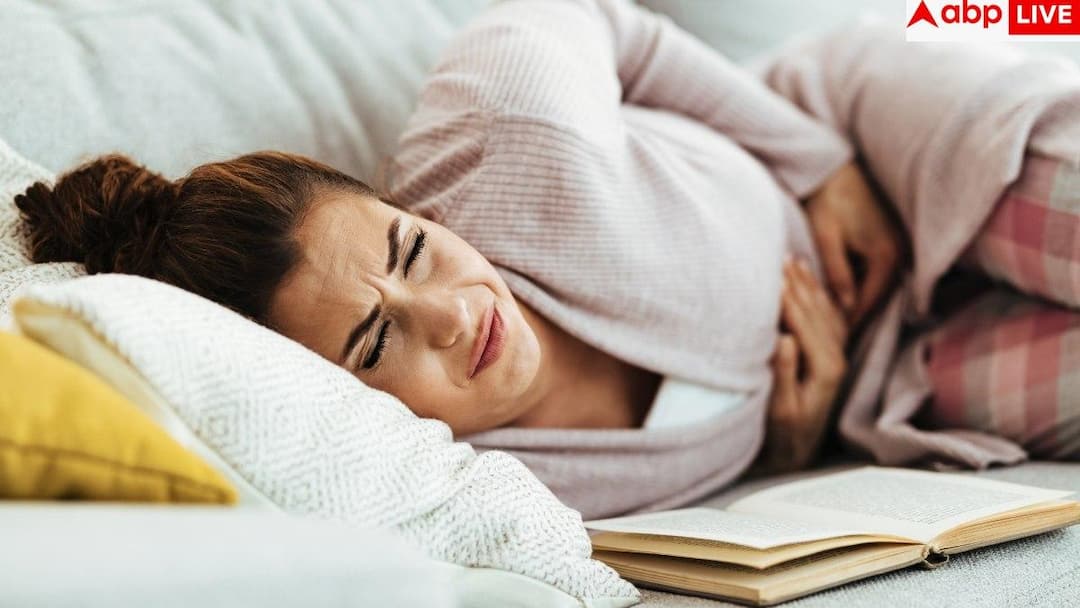
Does Winter Worsen Menstrual Cramps: Many women feel that their period pain increases in winter. If you also feel severe cramps, mood changes or excessive restlessness during cold weather, then you are not alone. Research and clinical experience show that winter can affect period related problems in many ways. Let us tell you that if there is more pain during periods in winter, then how can you keep them under control and what are the reasons for it.
Why does period pain increase in winter?
In the cold season, there are changes in temperature, sunlight and the way the body works, due to which the symptoms of periods may seem more intense, this includes-
cold sore muscles
Dr Shivika Gupta, Obstetrician-Gynecologist (OBGYN) has told in her social media video that as soon as it gets cold, the body limits the blood flow to save heat. Due to this, the muscles of the uterus become tighter and contract, which can increase cramps and pain.
Vitamin D deficiency
Vitamin D levels decrease due to less sunlight in winter. Vitamin D plays an important role in reducing inflammation and balancing hormones. Its deficiency can increase pain, fatigue and mood swings.
increased sensitivity to pain
The body feels more pain in cold. For this reason, even normal cramps may seem more severe in winter.
hormonal changes
In winter, there may be changes in hormones like serotonin and melatonin, due to which irritability, sadness and PMS symptoms increase.
lack of physical activity
Due to cold people move less. This reduces blood flow in the pelvic area and can increase pain.
Impact of PMS and menstruation on health in winter
In this season, many women face problems like heaviness, flatulence, desire to eat sweets, excessive fatigue, sleep problems, irritability and less desire to exercise.
How to recognize that cold is increasing your problems?
If there are more cramps in winter, pelvic pressure increases, PMS symptoms intensify, fatigue and back pain increase or the mood becomes worse, then it could be a weather-related effect.
How to reduce period pain in winter?
- Use a hot water bottle or heat pad
- Continue with light exercise, yoga or walks
- Eat foods rich in Vitamin D and talk to your doctor about supplements if needed.
- Drink lukewarm water and herbal tea
- Include anti-inflammatory foods like fruits, vegetables, nuts
- Try to reduce stress and get enough sleep
- Track your cycles and symptoms
When is it necessary to see a doctor?
According to a report by Continental Hospitals, if the pain is severe, persists for several days, affects functioning, there is excessive bleeding, periods are irregular or home remedies do not provide relief, then consult a doctor immediately. Problems like endometriosis, fibroids or PCOS can also be the reason for this.
Also read: Budget 2026 Cancer Relief: These 17 cancer medicines became cheaper, see the complete list here
Disclaimer: This information is based on research studies and expert opinion. Do not consider this as a substitute for medical advice. Before adopting any new activity or exercise, please consult your doctor or relevant specialist.
Check out below Health Tools-
Calculate Your Body Mass Index (BMI)
Calculate The Age Through Age Calculator