
 By Admin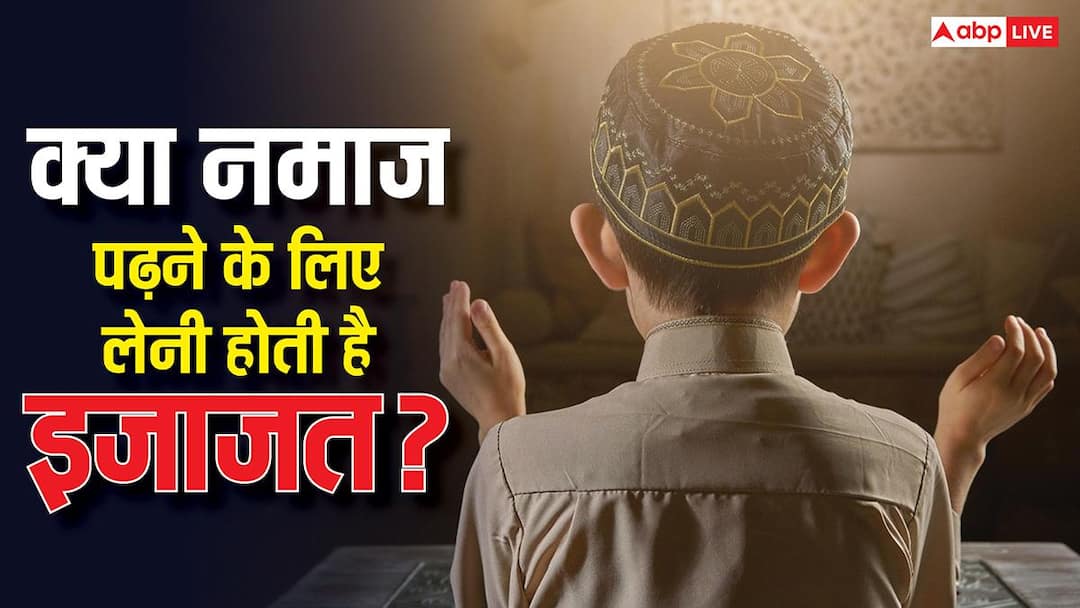
Permission for Namaz: Recently a big incident has happened in Bareilly. In fact, the villagers complained that some people were offering mass namaz in an empty house without permission and running a temporary madrassa. After the complaint, the police took 12 people into custody. This has raised a big concern whether one needs government permission to offer Namaz inside one’s home or not. Let us know what the Allahabad High Court said in answer to this question.
What did Allahabad High Court say?
In its decision, Allahabad High Court has made it clear that there is no need for any person or community to take prior permission from the state or local administration to offer Namaz at their private place. The court has said that religious activity carried out peacefully in one’s own home is completely protected under Article 25 of the Constitution of India. This article guarantees freedom of religion.
According to the court, asking citizens to seek permission for namaz meetings held entirely on private property would be against the spirit of the Constitution.
Article 25 and freedom of religion
The High Court laid a lot of emphasis on Article 25. This article gives every citizen the right to believe, practice and propagate religion. The court emphasized that this right is a fundamental right and cannot be curtailed under normal circumstances. As long as religious activity is peaceful and of one’s own free will, the state has no interference in it. Provided that it happens in a private place.
limits of this freedom
While confirming religious freedom, the court also clearly explained its limitations. The court said that this protection applies only when prayers or religious gatherings are held in a completely private place. If such meetings spread in public places, harass neighbors, block roads, cause noise pollution or pose a threat to public order and peace, then the administration has full right to intervene.
Separate rules for public religious gatherings
The High Court has pointed out a big difference between private worship and public religious programs. For any religious gathering, procession or program to be held in public places like road, park or community ground, it is necessary to obtain prior information or permission from the local administration or police. This is necessary so that law and order, traffic management and public safety can be ensured.
Also read: The first batch of Agniveers is about to retire, will they get pension?