
 By Admin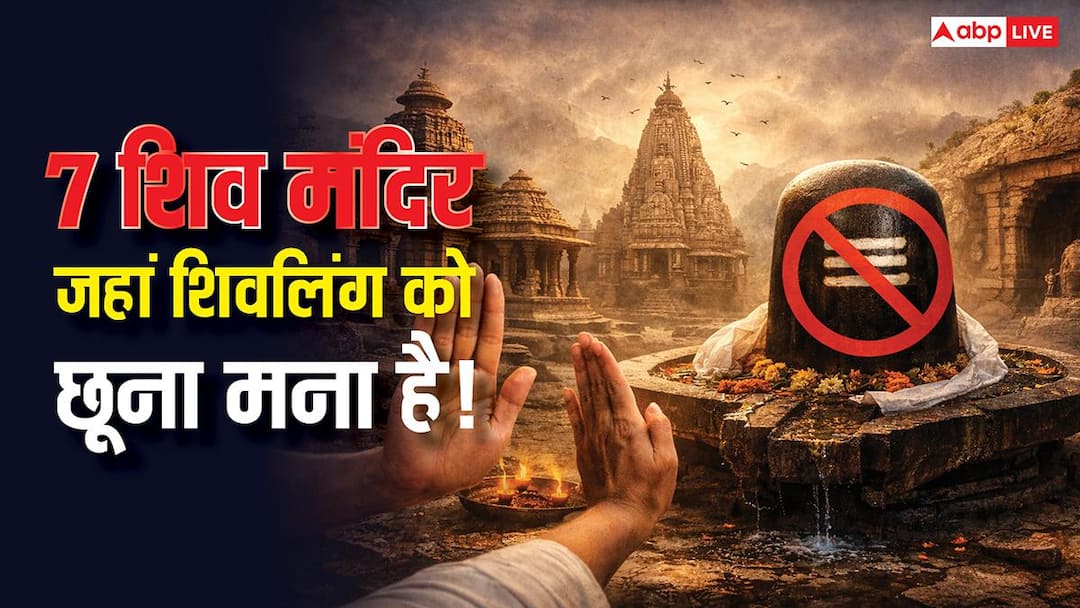
This generally seems puzzling, after all God, who lives so close to humanity, has limitations on physical contact with humans. Is this just a restriction or are there deeper reasons behind it, which modern worshipers do not even bother to understand?
Everyone visits Banke Bihari and Prem Mandir, but these 5 temples are the real soul of Vrindavan!
Kashi Vishwanath Temple, Varanasi
Kashi Vishwanath is among the most sacred Shiva temples in the world, which is considered to provide salvation after death. The Shivalinga here is worshiped a lot. Devotees are prohibited from touching the Shivalinga directly. All rituals including consecration are performed by trained priests following a set time schedule and strict rules.
The reason behind doing this is not only crowd management, but also because the sanctum sanctorum is considered a powerful spiritual center. In Kashi, Lord Shiva is worshiped as the ultimate truth, which is beyond physical proximity.
Kedarnath Temple, Uttarakhand
Situated amidst the towering Himalayas, Kedarnath is one of the twelve Jyotirlingas, one of the most energetic pilgrimage sites of Shiva. The Shivalinga of Kedarnath is highly recognized because it is ancient, self-established and extremely spiritual.
Devotees are prohibited from touching it. Only pundits and priests can touch it. The reason behind this ban is that Shivalinga is not just a symbol but a living spiritual power, which has been worshiped continuously for years.
Mahakaleshwar Temple, Ujjain
The Mahakaleshwar temple is unique among Jyotirlingas, as it is considered Swayambhu, facing south, which is associated with time and destruction. Mahakaleshwar temple is very famous for religious rituals, especially during the morning rituals, the crowd of devotees increases significantly. The priests of the temple follow this strict rule.
Somnath Temple, Gujarat
The first Jyotirlinga among the Jyotirlingas is Somnath, which is very important historically and spiritually. Devotees are not allowed to touch Somnath Shivling. The puja is done through darshan and rituals guided by the priest. Classical Agamic practices are followed in the Somnath temple, which clearly defines the rules for entering the sanctum sanctorum.
Vaidyanath Dham, Deoghar
Vaidyanath Jyotirlinga is also quite special from the spiritual point of view. Despite its fame as a pilgrimage site with fulfillment of wishes, physical contact with Shivalinga is largely limited. Devotees participate in it through offerings and prayers, albeit without touching.
Ramanathaswamy Temple, Rameshwaram
Rameshwaram has a special place in Shaiva traditions and is deeply connected to Ramayana. This temple is quite famous for its holy water rituals. Direct touching of the Shivalinga is prohibited despite devotees participating in extensive religious activities in other parts of the temple.
Disclaimer: The information provided here is based only on assumptions and information. It is important to mention here that ABPLive.com Does not imply any endorsement or verification of information. Before implementing any information or belief, consult the concerned expert.