
 By Admin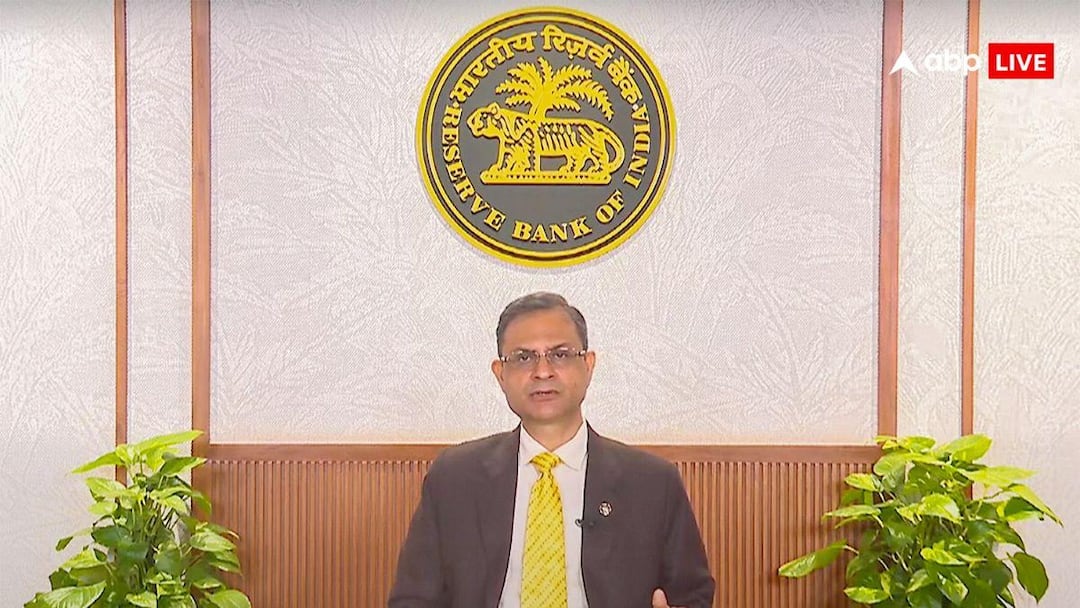
RBI Repo Rate Cut: Reserve Bank Governor Sanjay Malhotra announced the monetary policy on Thursday, 6 February. The meeting of the Monetary Policy Committee, which started from February 4, ended today, in which information about the decisions taken was given.
During this, Governor Sanjay Malhotra said that the committee unanimously decided not to make any change in the interest rates and kept the repo rate at 5.25 percent. After the MPC meeting, the RBI Governor said, “The Monetary Policy Committee has decided to keep the policy repo rate unchanged at 5.25 percent and maintain a neutral stance on it.”
What did the RBI Governor say?
He also said that amid global uncertainties, economic activity is expected to be good in the coming year. He said the Indian economy remains strong, and the outlook for domestic inflation and growth is positive. According to him, in the next two days, India is going to get a new base year for both GDP and inflation and the monetary policy will also be guided by the inflation data based on the new series.
The Reserve Bank has increased its growth outlook for FY2025-26 from 7.3 percent to 7.4 percent. At the same time, the inflation forecast for the first and second quarter of the financial year 2027 has been reduced to 4 percent and 4.2 percent respectively.
How much was the repo rate reduced last year?
In the year 2025, the Reserve Bank had reduced the repo rate by 125 basis points. In the policy meeting held in December, MPC reduced the repo rate by 25 basis points from 5.5 percent to 5.25 percent. Last year, the Reserve Bank cut the repo rate a total of four times. First, it was reduced by 25 basis points in February, after which it was reduced again by 25 basis points in April. For the third time in June the repo rate was reduced by 50 basis points and for the last time in December it was reduced by 25 basis points.
What is repo rate?
Repo rate is the rate at which the country’s central bank (Reserve Bank of India in India) gives loans to commercial banks to meet the liquidity shortage. Banks take loan from the Reserve Bank against government securities and later repay it at a fixed rate. When the repo rate increases, it becomes expensive for banks to borrow from RBI, due to which banks increase the interest on home loan or car loan. When the repo rate decreases, it becomes easier for banks to give loans to customers at lower interest rates. Overall, the increase or decrease in repo rate has an impact on your pocket.
effect of repo rate
The people of the country directly get the benefit of reduced repo rate. It is obvious that if car or home loan will be cheaper, the installment will reduce, then the purchasing power of the people will increase. Demand will increase in the market, due to which capital flow will also increase. At the same time, due to low repo rate, the cost of capital for companies also reduces, due to which their cash flow also improves.
Also read:
Even in the falling market, upper circuit seems to be back to back, this small cap stock made it rain of money.