
 By Admin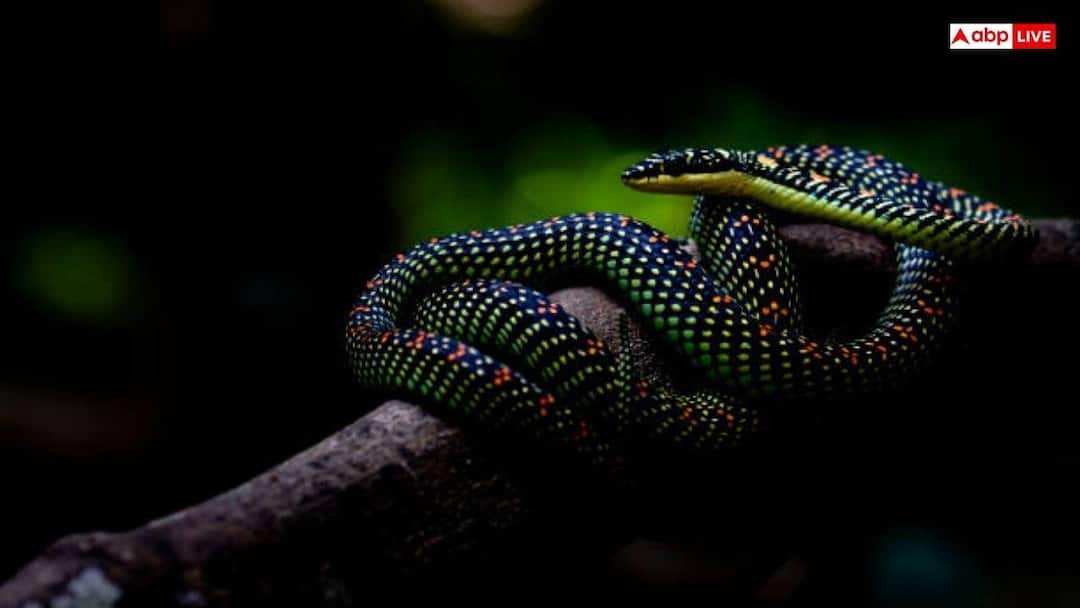
Flying Snakes: Flying snakes often inspire fear because of their strange ability to glide through the air. But scientifically they are much less dangerous than many poisonous snakes that live on land. These snakes, which belong to the Chrysopelea genus, are tree-dwelling reptiles found mainly in South and Southeast Asia.
Power of poison and its effect on humans
Flying snakes are recognized as mildly venomous snakes. Their venom is primarily designed to immobilize small prey such as lizards, frogs, birds and bats. Their bites in humans usually cause only mild symptoms. Like pain, mild swelling or temporary burning sensation. Unlike more poisonous snakes, their venom is not considered fatal.
Tooth structure reduces risk
The main reason why flying snakes are less dangerous is the structure of their back teeth. Their poisonous teeth are at the back of the mouth. This makes it difficult for them to effectively poison larger animals or humans. To deliver venom, the snake usually has to bite and chew forcefully.
comparison with land snakes
Land-dwelling snakes such as cobras and Russell’s vipers have a venom system with front teeth. It helps in injecting powerful poison faster. Their toxins can affect the nervous system, blood clots or vital organs within minutes. In comparison to these species, the potency of the venom of flying snakes is much less.
How do snakes fly?
Flying snakes don’t actually fly. They glide from one tree to another by flattening their bodies and using wind resistance. With this they can cover a distance of more than 100 meters. This ability is mainly used to escape from predators or to move between trees. Flying snakes pose very little threat to humans. Most of the time their bites do not cause any serious problems. Rather, poisonous snakes living on the ground are more dangerous.
Also read: How is the PM’s security inside the Lok Sabha, is SPG present inside the House also?