
 By Admin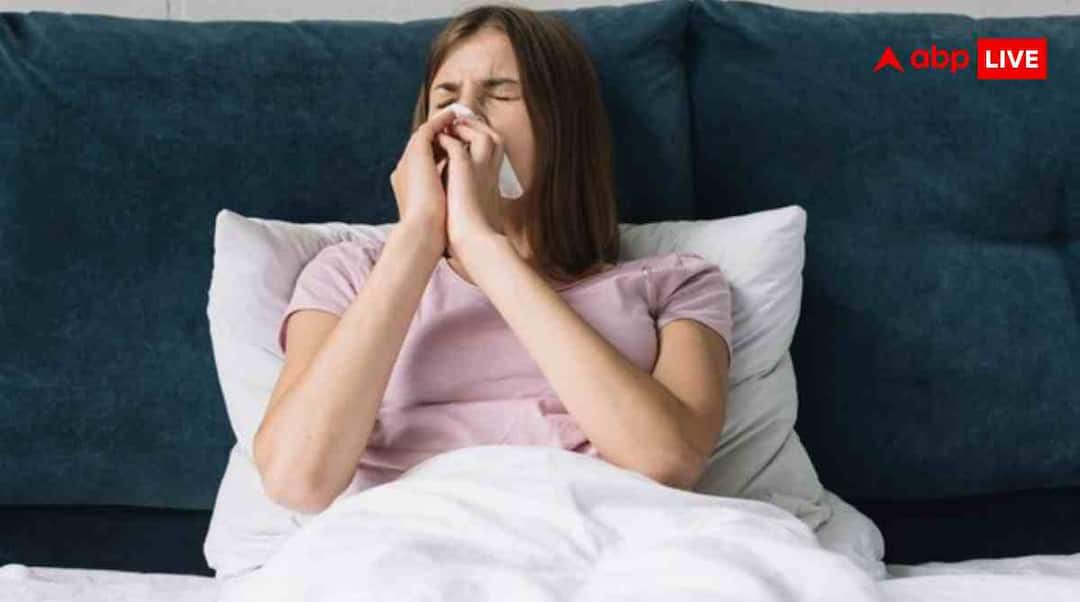
We often think that home is the safest place for us. By closing the doors and closing the windows, we assume that no harm will come to our family. But the truth is that the air inside our house can sometimes be more polluted than the outside air. Dust, smoke, chemicals emitted from furniture, small particles formed during cooking, harmful gases emitted from cleaning, all these gradually harm our health.
In a country like India, where there is often no proper ventilation in homes, the impact of these pollutants becomes even more serious. Besides, PM 2.5 is also making the people living in the house sick. Prolonged exposure to these can lead to allergies and asthma in children, lung diseases in adults and even heart disease and neurological problems.
PM 2.5 is making people living in the house sick also
1. Due to smoke and particles from cooking – When we fry or grill, small dust and smoke particles (PM2.5) spread in the air. These particles are so small that they reach the lungs and can also enter the blood.
2. Chemicals released from furniture and construction materials – Particle board, plywood and some paints emit harmful gases like formaldehyde. Since these chemicals are odorless, we often do not realize it.
3. Cleaning products and air fresheners – Common household cleaners, air fresheners and cosmetics release volatile organic compounds (VOCs). Prolonged exposure can cause headaches, eye irritation, allergies and even increase the risk of cancer.
4. Moisture and fungus – Mold grows when there is excess moisture inside the house. The fungus and its mycotoxins can weaken your respiratory system and immune system.
5. Pets and dust – The proteins present in pet hair, dander and urine become allergens in the air. Micro dust and dead skin cells also increase the risk of allergies and asthma.
6. Carbon Monoxide and Radon – Both of these are colourless, odorless and extremely dangerous gases. Even in small quantities can cause headache, fatigue and dizziness. These can be fatal in large quantities.
How dangerous is indoor pollution?
The bad air inside the house gradually affects our body. This can cause frequent headaches, fatigue and lack of sleep, irritation in the eyes, nose and throat, frequent cough, sneezing or allergies, skin rashes or irritation, new allergies or exacerbation of asthma in children, mental fatigue, loss of memory and concentration. If these symptoms occur only indoors and subside when going outside, then it can be a sign of sick building syndrome i.e. a disease related to indoor air.
Ways to make indoor air safe
1. Open windows for 15–20 minutes daily.
2. Use exhaust fan while cooking.
3. Install an air purifier with a HEPA filter.
4. Keep the humidity of the house less than 50 percent.
5. Avoid chemicals released from furniture and paint.
6. Instead of scented cleaners and air fresheners, adopt natural options, use plants, some plants can absorb pollutants from the air.
7. Keep an eye on air quality with air quality monitoring apps.
Also read – Heart health will not improve just by taking a walk in the morning, know what is important?
Disclaimer: This information is based on research studies and expert opinion. Do not consider this as a substitute for medical advice. Before adopting any new activity or exercise, please consult your doctor or relevant specialist.
Check out below Health Tools-
Calculate Your Body Mass Index (BMI)
Calculate The Age Through Age Calculator