
 By Admin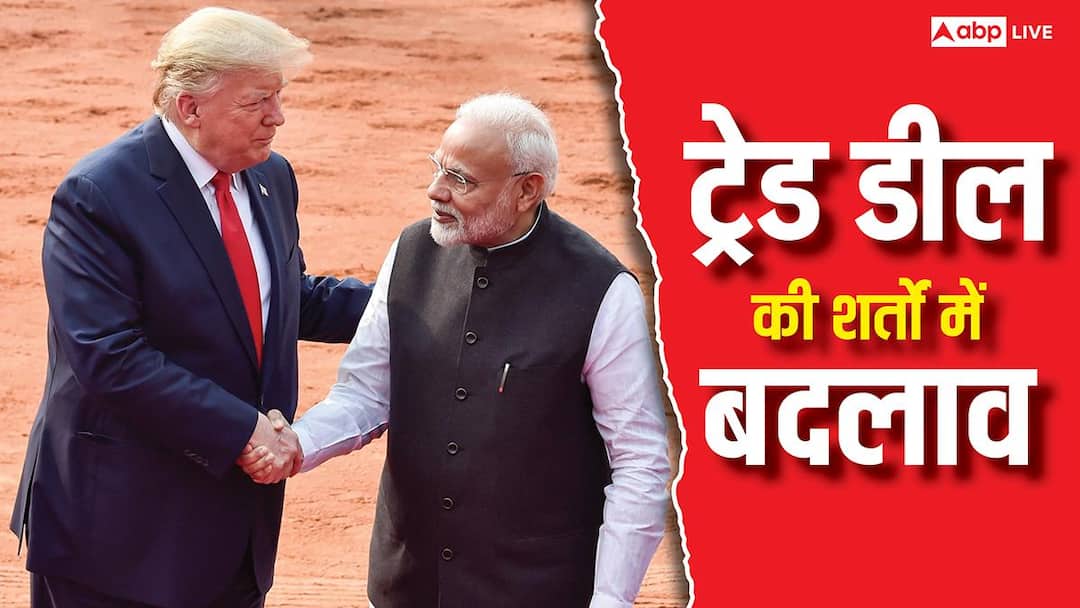
India US Trade Deal: A new debate has erupted regarding the recent trade deal between India and America. The amendments made in the fact sheet released by the White House a day later have raised questions in political and economic circles. The biggest change is related to the purchase of 500 billion dollars. The initial fact sheet said that India is “committed” to purchasing products worth $500 billion from America. In the revised version, this wording has been changed to “intends to buy”.
Which sectors saw changes?
This change is considered important because the word “committed” is considered more legally and politically binding, while “willing” indicates a relatively soft and flexible one. Agriculture Sector: The initial fact sheet talked about eliminating or significantly reducing tariffs on American agricultural products. Pulses, soybean oil, liquor, spirits, fresh and processed fruits, betel nuts etc. were mentioned.
In the revised version, the word “pulses” has been removed and the language regarding agriculture has been softened. Digital Service Tax (DST) It was earlier said that India will abolish Digital Service Tax. There is no clear mention of this in the revised document. Now it has only been said that India is committed to negotiating bilateral trade rules.
Softening of language on tariffs: While the initial document was explicit about eliminating or significantly reducing tariffs on industrial and food products, the new version presents this in a less specific and more general form.
Why is the opposition protesting?
The opposition within India says that the promise of purchasing $500 billion could have affected India’s trade autonomy. Giving hasty concessions in sensitive areas like agriculture and digital tax may be against domestic interests. After the amendment, it has become easier for the government to say that no binding purchase commitment has been made.
The amended language appears to be reducing the immediate and legal pressure on India. At the diplomatic level, this indicates that the terms of the final agreement are still under negotiation and interpretation. Investors can also consider this change as positive, because it shows India’s attempt to maintain policy flexibility. America had earlier imposed a total tariff of 50% on India. 25% base tariff 25% additional penalty tariff (due to buying cheaper oil from Russia) Under the new deal, there was talk of reducing the tariff to 18%.
Read this also: India made the data that created a stir in the world… did wonders in the global market.