
 By Admin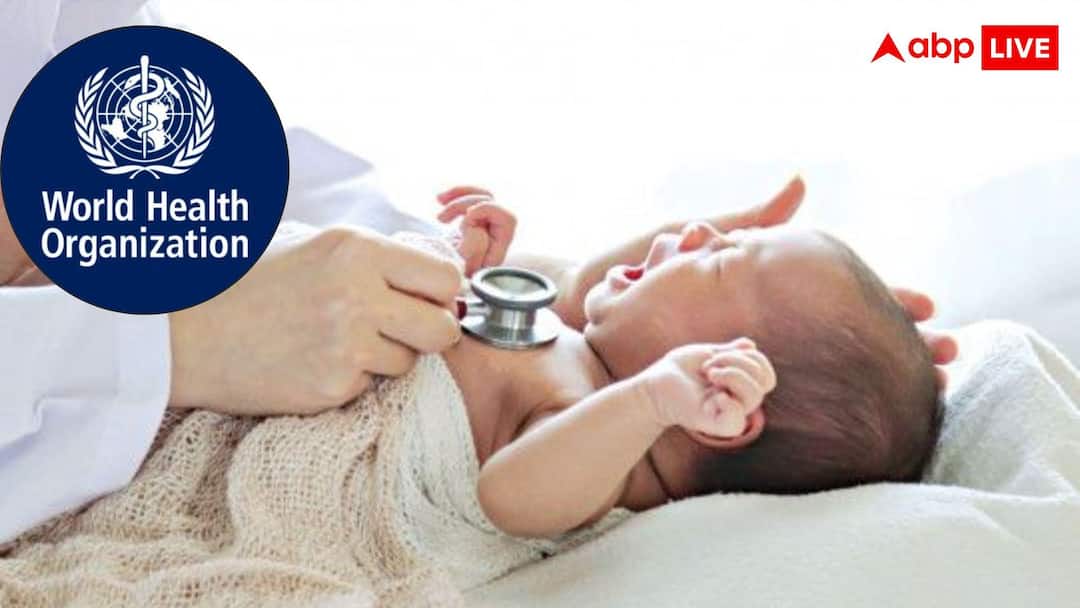
Respiratory syncytial virus remains a serious threat to young children worldwide. It is estimated that about 3.3 crore new infections occur every year in children under 5 years of age, out of which about 36 lakh are hospitalized and about 1 lakh children die. 97 percent of these deaths occur in low and middle income countries. In view of its increasing danger, the World Health Organization for the first time recommended two important measures to prevent RSV, the first of which was vaccine for pregnant women and the second was monoclonal antibody injection for newborn babies. In such a situation, let us now tell you that every year one lakh children die due to RSV, in such a situation, according to WHO, when should the vaccine be administered.
What is RSV and why is it dangerous?
RSV is a rapidly spreading virus that infects the lungs and respiratory tract. It spreads through cough, sneeze or coming in contact with people. While in older people it may seem like common cold, but in children less than 6 months of age, it can cause serious diseases like bronchiolitis and pneumonia. Its initial symptoms include runny nose, mild fever, cough and difficulty in drinking milk. If the child is breathing fast or with difficulty, there is wheezing in the chest or the lips start turning blue, then it is important to contact the doctor immediately.
According to WHO, when should the vaccine be administered?
According to WHO, RSV vaccine can be given to pregnant women on or after the 28th week of pregnancy. This vaccine produces antibodies in the mother’s body which reach the baby through the placenta. This protects children from RSV in the first month after birth. Whereas in America, this vaccine has been approved for administration between 32 to 36 weeks. Research has also found that it can reduce the risk of infection by 80 percent in the first 90 days after birth and provides significant protection for up to 6 months.
What are the options for a newborn baby?
A monoclonal antibody injection called Nirsevimab is available for newborns. This can be applied immediately after birth or before RSV season. Its single dose provides protection for about 5 months, especially in areas where RSV outbreaks are seasonal. Apart from this, at present the treatment of RCV is mainly limited to supportive care. In serious cases, oxygen or other assistance may be required in the hospital. This is the reason why experts consider prevention as the most effective solution.
What should parents do to prevent RSV?
- Pregnant women should consult their doctor about RCV vaccine.
- Get information about injections for a newborn baby.
- Protect children from overcrowding and keep sick people away from children.
- Maintain the habit of cleanliness and hand washing.
- If you see serious symptoms, get checked by a doctor immediately.
Also read-Zero Sugar Drinks: Craze for ‘sugar-free’ drinks increased in India, are these drinks of Coke-Pepsi really safe?
Check out below Health Tools-
Calculate Your Body Mass Index (BMI)
Calculate The Age Through Age Calculator