
 By Admin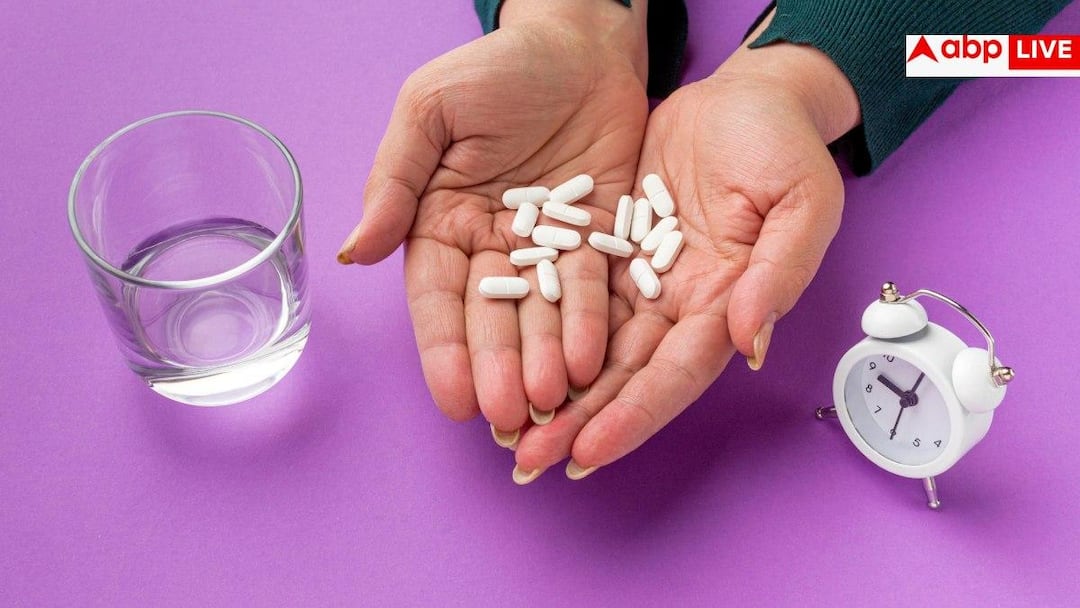
How To Know If You Have Magnesium Deficiency: Magnesium is an essential mineral that helps maintain balanced muscle function, nerve signals, heartbeat and skin health. When there is a deficiency in the body, some mild signs may appear on the face and around the eyes.
However, it is important to understand that just seeing changes in the face is not always evidence of magnesium deficiency. Lack of sleep, stress, allergy or change in routine can also be the reason behind this. But when the problem persists even after improving lifestyle, then you need to be careful.
What do experts say?
Dr Mohit Sharma told TOI that magnesium deficiency often does not cause severe symptoms. It quietly plays a role in nerve and muscle balance, sleep, glucose metabolism and cell repair. In case of deficiency, the body first tries to adjust itself, so the initial signs may be mild. Let us tell you some of its symptoms.
eye twitching
Eyelid twitching is a common complaint. Often this is related to fatigue, excessive screen time, caffeine or stress. But magnesium maintains balance between nerves and muscles. Its deficiency can increase neuromuscular excitation, causing frequent twitching of the eyelid. If it occurs for a long time or in both eyes, testing may be necessary.
Dark circles and swelling
Dark circles and swelling under the eyes can also occur due to many reasons. Lack of sleep, allergy or iron deficiency are common reasons. But magnesium helps in improving sleep and controlling inflammation. Due to its deficiency, the face can look tired, pale or swollen. In some people, the skin also becomes dry or sensitive, because it helps in skin barrier and cell repair.
These are also signs
Jaw stiffness, facial tension, mild tremors or frequent headaches may also be signs. Magnesium is a natural muscle relaxant, so a deficiency can cause the muscles to become more active. Migraine and sensitivity to light have also been found to be associated with it in some cases.
What should you do?
According to doctors, testing magnesium is not easy. Normal serum test does not always show the true picture. Therefore, the decision is taken only after looking at the symptoms, diet and risk factors together. Green leafy vegetables, nuts, seeds, whole grains and pulses are its good sources. If needed, supplements can be taken on doctor’s advice. If there are frequent muscle cramps, fatigue, sleep problems or gastrointestinal diseases, a doctor should be consulted. By paying attention at the right time, a small defect can be prevented from becoming a big problem.
Read this also- Beer And Cough In Winter: Does drinking beer in winter cause cough, know from the doctor how harmful it is?
Disclaimer: This information is based on research studies and expert opinion. Do not consider this as a substitute for medical advice. Before adopting any new activity or exercise, please consult your doctor or relevant specialist.
Check out below Health Tools-
Calculate Your Body Mass Index (BMI)
Calculate The Age Through Age Calculator