
 By Admin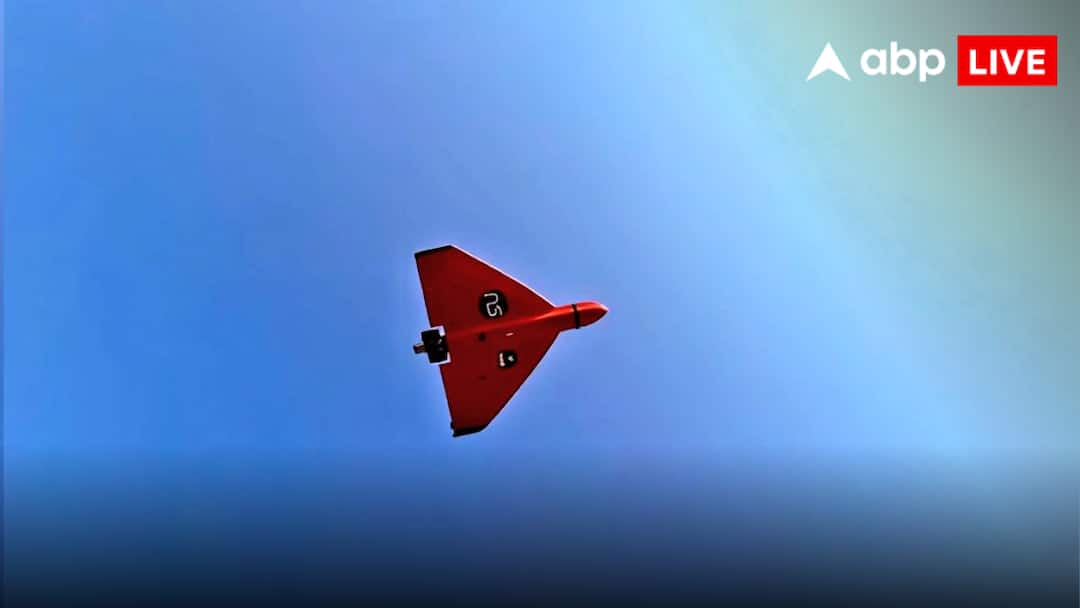
The world is currently witnessing the effects of cheap but deadly drone warfare. Iran’s low-cost Shahed-136 suicide drone and America’s inspired LUCAS drone are causing greater damage than conventional weapons. India is also moving rapidly towards developing similar capabilities. India’s own long-range swarm attack drone Sheshnag-150 is now in the crucial phase of testing.
Sheshnag-150, which is being developed entirely in India by Bengaluru-based defense startup company NewSpace Research Technologies (NRT), was first tested about a year ago, but after Operation Sindoor, its need was felt even more. During that operation, the Indian Army had used other NRT drones. After this, the emphasis has increased on rapidly developing long-range indigenous swarm strike capability.
Need for drones in the ongoing conflict in the Middle East
The ongoing conflict in the Middle East has clearly shown the power of cheap drone warfare. Low-cost drones like Shahed-136 exhaust air defense systems and target important targets. America’s LUCAS drone is also based on this. This has made it clear that in modern warfare, cheap, large in number and automatic drones can sometimes outweigh expensive weapons.
Why was Sheshnag-150 designed?
Sheshnag-150 has been designed to attack in groups. It can weaken the enemy’s defense system by sending multiple drones simultaneously. Its striking range is said to be more than 1,000 kilometers and it can fly for more than 5 hours. It can monitor the target area by hovering over it and attack if needed. It has the capability to carry a warhead of 25 to 40 kg, which can cause serious damage to structures, vehicles and military bases.
The most important strength of this system is not only its structure, but its software and control system. Making small drones is not technically difficult today, but connecting them in such a way that they can talk to each other, identify targets, plan their own attacks and even work without GPS is the real challenge. There is a plan to equip Sheshnag-150 with a visual navigation system that can work even in case of satellite signal interruption.
Cheap drones sent during Operation Sindoor
During Operation Sindoor, Pakistan had sent a large number of cheap drones, whose purpose was to attack as well as keep the Indian air defense busy and identify ground targets. Although most of the drones were shot down, it became clear that drones have now become an important part of war strategy. In the same operation, India used a smaller number of but more accurate attack drones and loitering munitions, which caused damage to enemy air defense and radar systems. This gave an edge to the Indian Air Force.