
 By Admin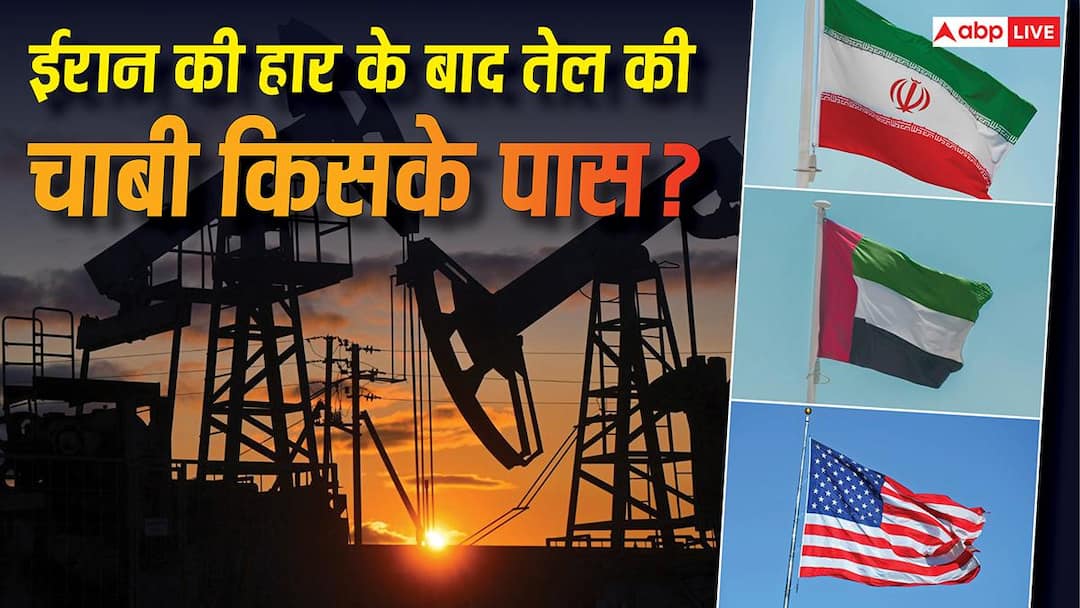
The increasing direct conflict between Israel and Iran in the Middle East has created a stir in global geopolitics. This could become not just a war between two countries, but also a fight for control over the world’s most important energy resources. Iran has huge reserves of crude oil and natural gas, which is considered the heartbeat of the global economy. If the current tension escalates into a full-scale war and Iran’s military power or authority is harmed, the biggest question that will arise is who will take control of its oil reserves and supply lines? Let’s find out.
Iran’s oil reserves
Iran is among the few countries in the world which have the second largest reserves of crude oil and the second largest reserves of natural gas in the world. At present, amidst the ongoing tension in the Middle East, Iran’s economic back rests on its oil exports. If Iran’s regime is destabilized or defeated by Israeli and US military action, the future of its oil resources will change completely.
Historically, it has been seen in such cases that after a war, the management of resources goes into the hands of those powers who are victorious in the war or who have investments in that area.
Also read: How much does one SU-30MKI of the Indian Air Force cost, how much cheaper is it than Rafale?
Strategic role of America and western powers
If Israel or America’s influence on Iran’s oil infrastructure increases, America’s first priority will be to secure the ‘Strait of Hormuz’. About 20 percent of the world’s crude oil passes through this route. Instead of directly capturing Iran’s oil wells, America will try to stabilize the international oil market.
American companies and Western oil giants (such as Shell or ExxonMobil) may play a larger role in the modernization and management of Iran’s oil sector in the future. Its main objective will be to reduce oil prices and stop the supply to countries like Russia or China.
Regional influence of UAE and Saudi Arabia
In case of Iran’s defeat, Gulf countries like United Arab Emirates (UAE) and Saudi Arabia will further strengthen their hold on the market by using their ‘spare capacity’ (excess production capacity). At present Iran’s oil mainly goes to China. If the impact of Western sanctions on Iran’s oil production increases or its management changes, then countries like UAE and Saudi Arabia can take Iran’s place in the global supply chain.
The UAE may try to take a stake in the management of some of Iran’s oil fields through its advanced refining capacity and investment so that stability in the region is maintained and OPEC countries maintain control over oil prices.
Crisis on energy security of China and India
At present the biggest buyer of Iranian oil is China. If Iran is defeated and an American-backed regime comes to power, then the path to cheap oil for China may be closed. This situation will be like a double-edged sword for India also. On one hand, stopping the war may stabilize oil prices, but on the other hand, India’s old energy relations with Iran and projects like Chabahar will come completely under the influence of Western powers.
Even if no one country takes direct control of Iran’s oil, the key to its distribution and pricing will go to Washington and its allies.
Also read: People of which religion are most educated in America, know at which position Hindus and Muslims come?