
 By Admin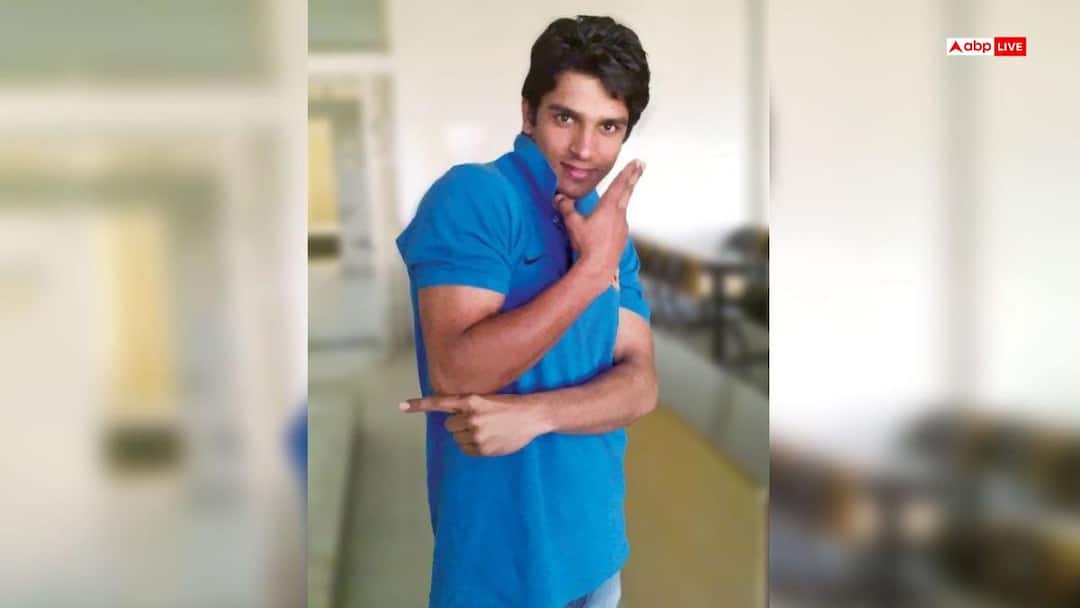
In a historic decision, the Supreme Court on Wednesday allowed 32-year-old Harish Rana to undergo passive euthanasia. While delivering this decision, a bench of Justice JB Pardiwala and KV Vishwanathan directed Delhi AIIMS on behalf of the Supreme Court to immediately admit Harish Rana and make necessary arrangements for the process of removing the life support system.
Who is Harish Rana?
Harish Rana is originally from Ghaziabad. In the year 2013, he was a student at Punjab University. During that time, he fell from the fourth floor of a paying guest hostel, due to which he suffered a serious brain injury. After the accident, doctors put him on life support and since then he is continuously in bed.
Was in vegetative state for 13 years
After the accident, Harish Rana went into permanent vegetative state. He was suffering from 100% disability and quadriplegia (paralysis of all four limbs) for the last 13 years. He had to rely on a tracheostomy tube for breathing and a gastrojejunostomy tube for food. His daily care was completely dependent on machines and medical aid. According to the doctors’ report, there was no possibility of improvement in his condition.
Supreme Court said human dignity is paramount
The Supreme Court said in its decision that when a person’s life is being dragged out only with the help of artificial means and there is no hope of his recovery, then he has the right to choose death with dignity. The court said that in such a situation, maintaining life through life support system could be against the dignity of the person.
What is passive euthanasia?
In legal language, passive euthanasia means stopping or removing the medicines, treatments or life support systems being given to a patient to save his life, so that he can die naturally. This is different from active euthanasia, in which death is intentionally caused through an injection or medicine. Active euthanasia is still banned in India.
What did the court say?
The court said in its order that Harish Rana was once a 20-year-old promising student, but after falling from the fourth floor, he suffered serious brain injury and is in a persistent vegetative state. Medical reports did not indicate any improvement during the last 13 years. In such a situation, this decision was taken considering his condition.