
 By Admin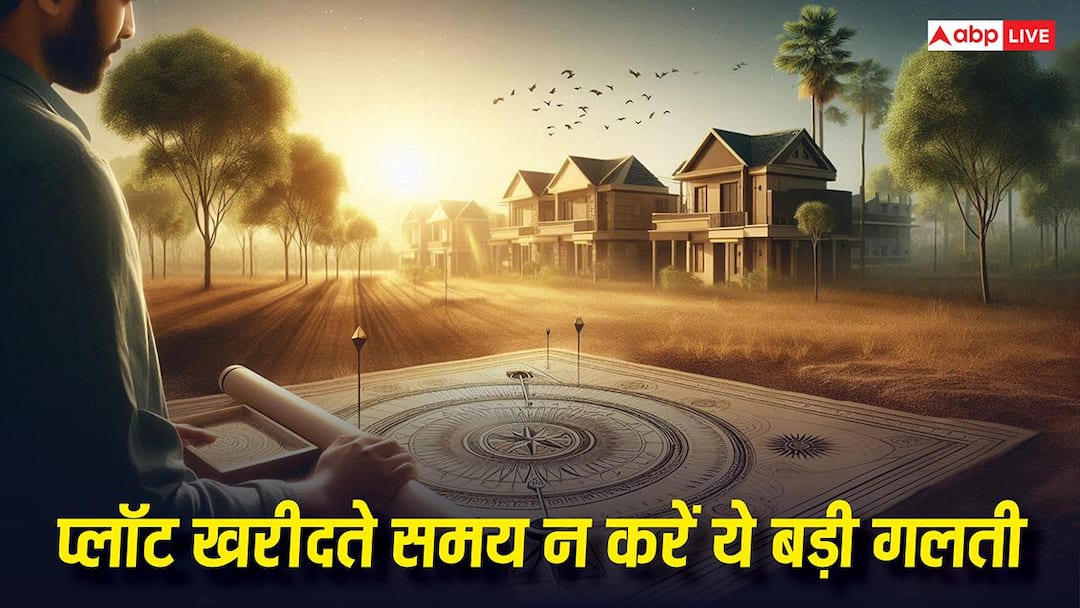
Vastu For Land: According to Vastu Shastra, Bhu Pariksha (land testing) is considered very important before the construction of any house, temple or building. It is clearly said in the ancient texts that the nature of the land on which construction work will be done, the properties of the soil, the surrounding environment and the objects found during excavation must be examined.
According to beliefs, a house built on suitable land gives happiness, prosperity and peace, while inauspicious land attracts obstacles and troubles in life.
Not just decoration… Spider plant placed in the right place can change the atmosphere of the house! Know its benefits?
Land types and their identification
According to Vastu Shastra, land is mainly divided into 4 types – Brahmin, Kshatriya, Vaishya and Shudra land. Its mention can be seen in the Kalpadrum text.
“Sugandha Brahmini land Raktagandha, you Kshatriya.
Madhugandha Bhaved Vaishyam Madyagandha Cha Shudrika. ” -Kalpadrum
According to this verse, the land from which fragrance comes is called Brahmin land and it is considered the best. Its soil is often white in color and Kush grass is found on it. Such land is considered peaceful, sacred and a land that gives auspicious results.
The land which smells like blood and the soil is red in colour, is called Kshatriya land. Munj grass is commonly found on this land and is considered associated with courage, strength and bravery.
The soil of Vaishya land is green in color and smells like grain. This land is considered suitable for business, agriculture and economic progress.
Whereas Shudra land is of black colored soil and it smells like liquor. Different types of grass are found on this land and it is considered suitable for general use.
What should be the environment around the land?
According to Vastu Shastra, not only the soil, but also the environment around the land reflects its quality. Regarding this subject, it is said in Brihat Samhita that, if there are fragrant trees, medicinal plants and greenery around any land, then that land is considered very auspicious.
Such land is considered suitable for human habitation, because the environment there is considered to provide health and prosperity. On the contrary, if there are thorny plants, dirt, mud or poisonous creatures living around the land, then it is considered inauspicious.
signs of good soil
Description of the auspicious characteristics of land is also found in the book ‘Mayamatam’.
“Shvetasrik Pitakrishna Hayagajaninada Shadrasa Chaikavarna,
Godhanyambhojagandhopalatushrahita vakpratyuchyunnata ya.
Purvo dagvarisara varsurbhimsa shulheenasthivarjya,
Sa Bhoomi: Sarvayogya Kandarrahita Sammta Dyarmunindah. “
– Mayamatam (Chapter 201)
According to this verse, that land is considered best, whose soil is clean and uniform, which does not contain pebbles or peels, where there is the aroma of animals and grains. Along with this, where the seeds do not dry out. Such land has been said to be suitable for all types of residence.
traditional examination of land
Some traditional tests for testing land have also been mentioned in Vastu Shastra. One of these tests is to dig a pit about one hand wide and one hand deep in the middle of the ground and fill it with the same soil.
If there is less soil while filling the pit, the land is considered inauspicious. If the soil becomes even, then the land is considered normal. If soil remains, it is considered a good sign.
In another test, a pit is dug and water is filled in it. If water remains in it till the next day, the land is considered auspicious. But if the land cracks or the water dries up completely, it is considered an inauspicious sign.
It is said about this in the Vastu book that, “Tato Bhoomi Parikshet Vaastu Gyan VisharadahThat is, the expert of Vastu must first examine the land.
Signs of objects found in excavations
Objects found during digging of land are also considered auspicious and inauspicious signs. Vastu experts say that if bones, coal, torn clothes or snake eggs are found during excavation, then it is considered inauspicious and construction work should be avoided on such land.
At the same time, if objects like conch, tortoise, stone, brick or metal are found during excavation, then it is considered an auspicious sign. According to beliefs, building a house on such land brings wealth, prosperity and happiness.
Bhoomi Pariksha in Vastu Shastra is not only based on religious tradition but is a very ancient way of understanding the nature and quality of land. The colour, smell and surrounding environment of the soil and the objects found during excavation indicate how suitable the land is for construction work.
For this reason, in ancient texts, land testing is very important before the construction of any building or temple.
These 9 decor items kept in the house can become the cause of bad luck, can increase Vaastu defects! see photo
Disclaimer: The information provided here is based only on assumptions and information. It is important to mention here that ABPLive.com Does not imply any endorsement or verification of information. Before implementing any information or belief, consult the concerned expert.