
 By Admin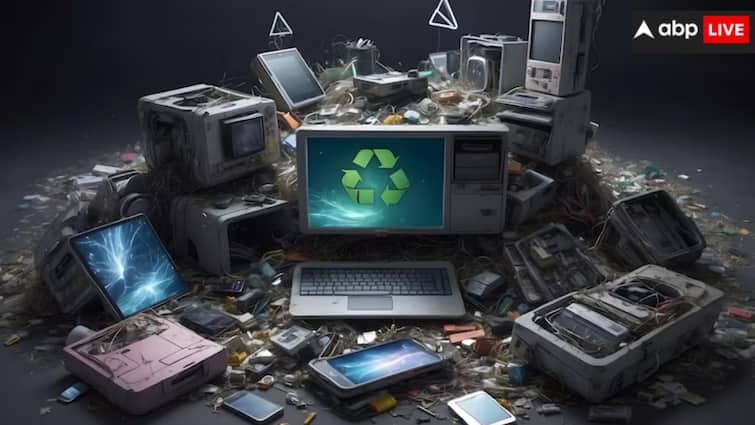
E-waste management: South Korean companies LG and Samsung have filed a lawsuit against the Government of India to cancel the policy enhancing the payment to electronic-waste recycles. They are challenging India’s environmental regulations in collaboration with many other big companies citing the impact on their business. The case is to be heard on Tuesday. This shows that the deadlock between foreign companies and Prime Minister Narendra Modi’s government is increasing due to the methods of waste management. On this, both companies have not given any answer to the questions of the Reuters so far. Here, India’s Environment Ministry has also not given any response.
These companies have also sued the Modi government
India is the third largest e-waste generator or producer after the US, China and the US, but the government says that only 43 percent e-waste of the country has been recycled last year. The 80 percent part of this sector is of informal scrap dealers and their methods of recycling are not good for both environment and health.
Dikin, India’s Havels and Tata’s Voltas have already sued the Modi government. In fact, according to the new rules of the central government, electronics companies will now have to spend more money to recycle air conditioners, refrigerators, TV and other equipment, while companies are telling more to the settlement cost.
Why did the government fix the minimum payment?
Samsung and LG had advocated against the decision to fix the minimum payment payable to the recyclers, while the government says that it is necessary to promote investment in e-waste recycling and bring more and more formal people to this sector. This is because the business of recycling waste informally across the country is flourishing. In this work, recyclers remove the metals and parts and burn the garbage in the open or adopt methods like acid leaching, which is dangerous for the environment.
Companies upset due to government new rules
LG has said in its filing in the New Delhi High Court that the rules related to paying the minimum amount to the recycles failed to consider that only companies can not achieve the target that the government wants to achieve by looting companies and taxing them in the name of ‘Policy Pay’. It further stated that if the government cannot bring informal recyclars under the rule, then it is the failure of the administration.
Samsung has also said in its filing that the objectives of environmental protection are not fulfilled only by fixing the price. The expenditure will also sit more than this. Under the new rules, it is mandatory to pay a minimum of Rs 22 per kg for recycling consumer electronics goods and Rs 34 per kg for smartphone.
This will have more effect on air conditioner companies as their cost per unit recycling has increased considerably than light gadgets like smartphones. Research firm Redsier said in February that India’s recycling rates are still lower than America. These are five times more in America and at least 1.5 times in China.
Also read:
If a trade agreement with America, China will take revenge, continues warning, know Beijing Dangerous Plan