
 By Admin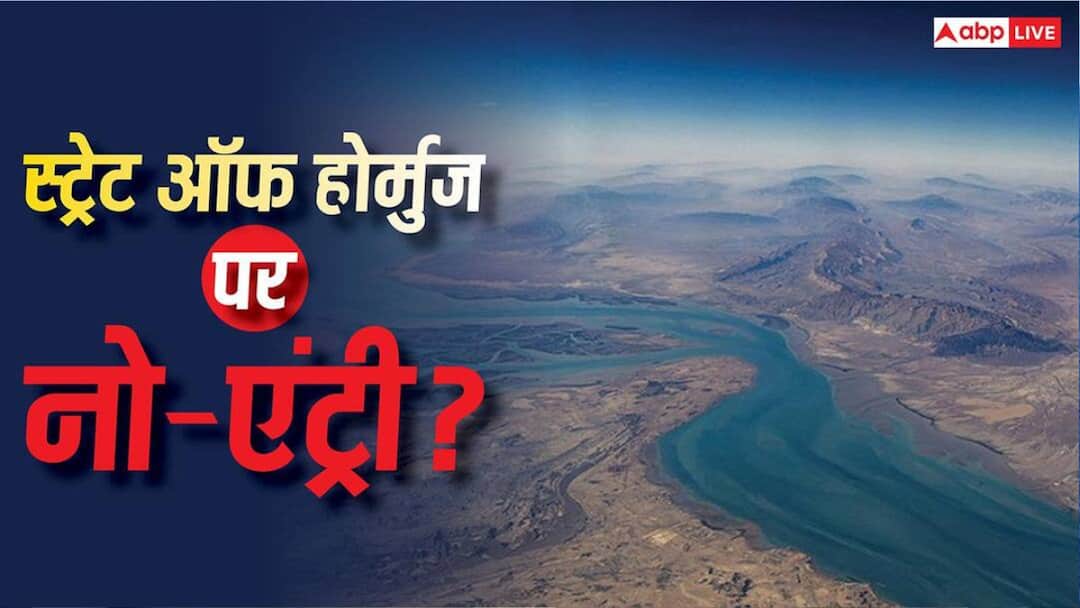
Due to tension and crisis in Western Asia, there is turmoil in the entire world and India is also not untouched by this. The way US President Donald Trump is issuing new threats every day, there is an atmosphere of concern in the business industry and market. In the latest development, due to increasing war between America and Iran, Iran has closed the Strait of Hormuz, due to which India’s leading business and industrial organization Chamber of Trade and Industry CTI has expressed concern.
Hormuz closure may create major energy crisis – CTI Chairman
CTI Chairman Brijesh Goyal has issued a statement saying that if the Strait of Hormuz is closed for a long time, then the biggest energy crisis since 1970 may arise and due to this, the prices of oil including petrol and diesel may also increase suddenly, because 20 percent of the world’s oil passes through here.
Brijesh Goyal said that Hormuz is the biggest energy choke point, if it is closed then there will be a shortage of crude oil in the main importers like India, Russia, China. Due to petrol and diesel becoming expensive, the transport and manufacturing sectors will be adversely affected and everyday things will become expensive.
Inflation rate may increase – CTI General Secretary
CTI General Secretary Ramesh Ahuja and Senior Vice President Deepak Garg said that in March-April 2026, the retail inflation rate in India stood at 3.4%, the prices of paan tobacco increased by 4.23% and that of food and beverages by 3.71%, the inflation rate in clothing and footwear was 2.45%, in housing-water, electricity and gas it was 1.97% while in the case of restaurants services. There was an increase of 2.88 percent. According to CTI Chairman Brijesh Goyal, if the Strait of Hormuz is closed for a long time, the inflation rate in India may cross 5 percent as compared to 3.4 percent in March-April.
What effect will closure of Strait of Hormuz have on India?
Hormuz is the world’s most important oil chokepoint. If this stops, India will face a big blow on 4 fronts.
1. Oil crisis: the biggest shock
A. 60 percent of India’s crude oil and 40 percent of LNG supply comes from Hormuz. Import from Iraq, Saudi, UAE, Kuwait will stop.
B. The price of crude can go up to $ 200 per barrel. With an increase of 1 dollar, India’s import bill increases by 1.5 billion dollars/year.
C. Petrol-Diesel – Petrol price can be Rs 140-150/litre, diesel price can be Rs 130+.
D. Alternative routes – Saudi’s East-West Pipeline and UAE’s Fujairah Pipeline, but the capacity covers only 20 percent. Tankers will travel to Africa, which will take 15-20 extra days and the freight will be 3 times more.
After Trump’s warning, America’s fierce attack on Iran, blasts shook cities, in response Tehran closed Hormuz Strait
2. Sector-wise hit
A. Aviation: If ATF becomes expensive then air tickets can increase by 40-50 percent.
B. Paint, Tyre, Plastic: The cost of raw material, petroleum, Maruti, Asian Paint may increase by 25 percent.
C. Fertilizer: If LNG becomes expensive then urea subsidy bill will increase, cost of farming will increase.
D. Shipping: Freight rates will increase by 200-300 percent. Export will be expensive, import will be expensive.
E. Traders: Transport cost will double.
3. Strategic/Security Risk
A. How much is the reserve: India has about 74 days of strategic oil reserve.
B. Navy deployment: Indian Navy runs operations in the Arabian Sea, but if there is a war, the insurance cost will be 10 times.
C. Chabahar Port: India’s Chabahar Port with Iran is also near Hormuz, it will also be affected.
4. Does India have defence?
A. Oil from Russia: Currently 35 percent of the oil is coming from Russia. It does not come from Hormuz, but Russia will not be able to give that much extra.
B. SPR Reserve: There is 5.33 MMT reserve in Visakhapatnam, Mangalore, Padur which is equal to 9 days of import.
C. Can be brought from US, Guyana, Brazil, but it will take 40 days, whereas it can be done in 5 days from Hormuz, which means it will be expensive.
‘Will create hell’, Iran angry with America’s action, destroyed US bases in Kuwait and Bahrain, closed Hormuz