
 By Admin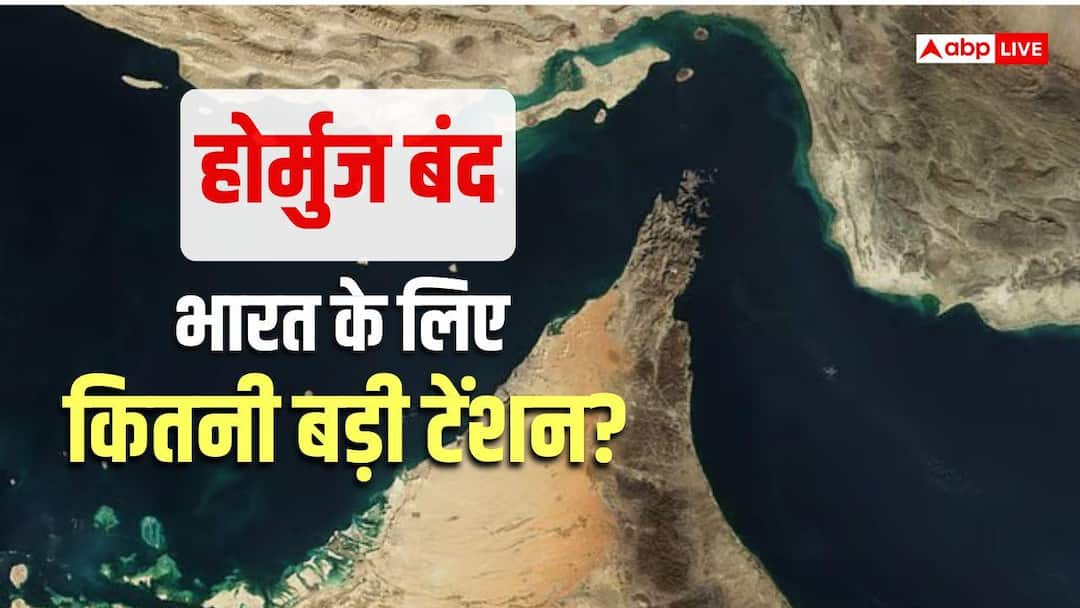
Indian Economy News: The war between Iran and America has flared up once again. The fragile ceasefire that started in April now seems to be breaking. Iran has announced complete closure of the Strait of Hormuz and has clearly said that any ship that tries to pass through there will be fired upon. On the other hand, America has launched new attacks on many targets of Iran. President Trump has threatened that if Iran does not sign the agreement immediately, the attacks will intensify.
After this news, crude oil rose by about $2 on Thursday morning, although later the rise reduced slightly. Brent crude is trading above $93 per barrel and American WTI crude is trading above $90. Market experts say that the boom did not last because no real interruption in oil supply has been seen yet. The US military says that commercial ships are still passing through the strait.
What a big tension this is for India
Understand how important Hormuz is for India. About two-thirds of India’s crude oil and half of its LNG comes through this route, which means if this route remains closed for a long time, India’s import bill will increase, inflation will increase and there will be pressure on the government treasury.
Remember, this war has been going on since the end of February and India is already suffering its effects. Before the start of the war, Brent was around $73, which at one time had reached $126, now it is around $93, but this is also about 27 percent costlier than before the war.
Do not pay more than MRP, know where and how to complain about shopkeepers who charge arbitrary prices.
There is also a big news of relief
Meanwhile, sources in Indian refinery companies said on Thursday that they have enough crude oil available at least till August, that is, there will be no shortage of oil in the country for the next two-two and a half months. Some suppliers, including Abu Dhabi company ADNOC, are also successful in sending oil to buyers in Asia.
But the supply picture is becoming tight all over the world. America’s crude stock has decreased by 72 million barrels in a week and has decreased by 79 million barrels since the start of the war. In May, oil production of OPEC countries has fallen to its lowest level in more than two decades.
What will happen on petrol and diesel?
The direct question for the common man is what will happen to petrol and diesel. Petrol is being sold at around Rs 102 per liter in Delhi. At the end of March, the government had reduced the excise duty on petrol and diesel by Rs 10 per liter, so that the burden on the customers is reduced, yet oil companies are incurring a loss of about Rs 750 crore every day. If crude crosses $100 again, the pressure on companies to increase prices will increase further.
Impact on air fares and ATF
The aviation sector has suffered the biggest blow of the war. Due to the cost of ATF i.e. airplane fuel, airlines have already increased fares and reduced flights on many routes. The government has approved a support package of up to Rs 10,000 crore in the first week of June to keep ATF prices under control. If tensions increase further, flights to Gulf countries may be affected again because airlines have to take long and expensive routes.
Keep an eye on rupee and market
The rupee is also under pressure due to war. The rupee has crossed 92 against the dollar and foreign investors are withdrawing money from the Indian market. RBI is selling dollars from its foreign exchange reserves to support the rupee. A weak rupee means that every barrel of oil costs more for India.
FAQ: How many times can PF be withdrawn in a month, know once PF is withdrawn, when can it be withdrawn again?