
 By Admin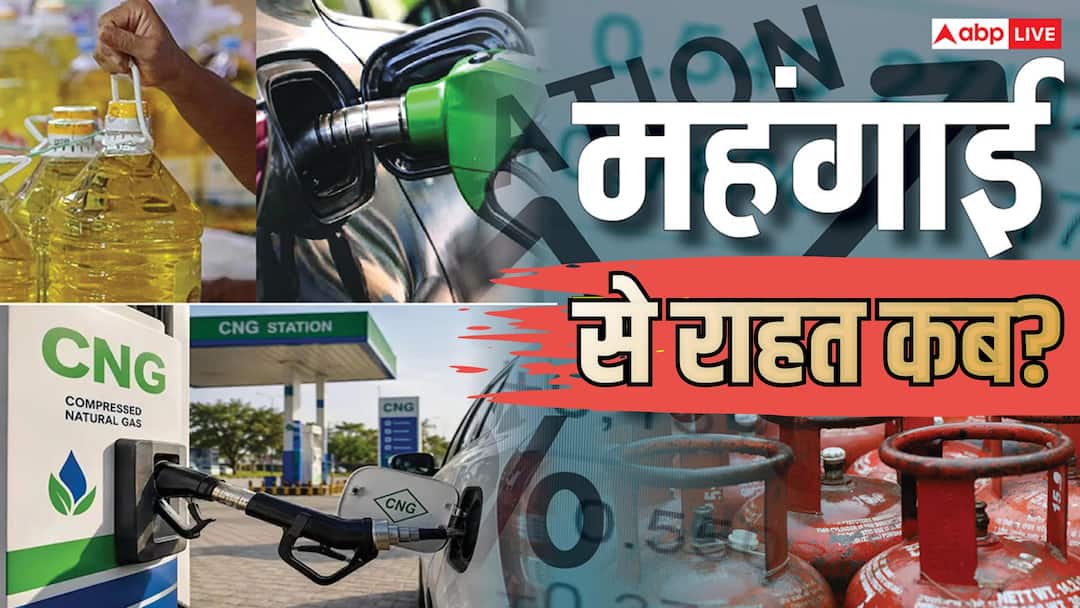
As soon as the news of the US-Iran peace agreement came on June 4, oil prices fell in the global market. On June 15, the rupee in India jumped from 95.11 to 94.65 against the dollar. There was a rise in the stock market, but the real question is that when will it affect the pockets of the common man, when will petrol and diesel become cheaper, when will domestic LPG cylinders be available at lower prices and when will there be relief from inflation? You will know in the explainer…
As soon as the news of the peace agreement came on June 14, oil prices fell in the global market. Its immediate impact was seen in India on June 15:
- Rupee strengthened: On June 15, the rupee jumped from 95.11 to 94.65 against the dollar, which is its strongest level since May 8. Due to this the cost of imported crude oil has started reducing. Experts estimate that the rupee may reach the level of 93-94 in the coming days.
- Stock market boom: Oil-gas stocks rose and buying increased in sectors like IT, banking, metal. On June 15, Sensex and Nifty rose by about 2%.
But the real question is when will the common man see the impact?
The answer is not yet, because the oil companies had increased the prices of petrol and diesel in the first week of June itself. On June 9, petrol became costlier by Rs 7.5 to Rs 8 per liter and LPG cylinder by Rs 29. Now it will take some time for the new prices to take effect.
First relief expected in 2-4 weeks
This will be the period when the first wave of decline in prices may occur. This means oil may become cheaper by Rs 4-5. Oil companies review prices every 15 days. As soon as Hormuz opens and the process of lifting the American blockade begins, the landed cost of crude oil will start decreasing. In April-May this cost had reached $ 110 per barrel. After the agreement it has come down to around $84.
When the cost burden of companies will reduce, they can reduce the prices of petrol and diesel by Rs 4-5 per liter in the next price review (first week of July).
Will companies not maintain profits?
This can happen, but there will be pressure on the government to ensure that relief reaches the common man. Last time in March, the government had reduced excise duty by Rs 10 per litre, but the companies did not pass the benefit on to the customers. This time the circumstances are different. Companies can provide relief to customers from government pressure.
LPG cylinder: Expected to become cheaper by Rs 30-50 in the first week of July
The situation is a little different here. In June, the price of 14.2 kg cylinder in Delhi became Rs 942. Now its current price has exceeded Rs 1,600 and the government is giving a subsidy of about Rs 700 on every cylinder. After the peace agreement, Saudi CP (global price of LPG) will fall. In the last few months, it had increased from $ 542 per tonne to $ 790. When prices normalize, the cylinder rate may decrease by Rs 30 to Rs 50.
In 1-3 months (late July to September): Second wave in prices
By this time, import-export of oil from Hormuz will almost be restored. The US blockade will have been completely lifted, the mines will have been cleared and shipping insurance premiums will have returned to normal. But oil will not go back to $70.
Experts say that even if Hormuz is fully opened, crude oil is unlikely to return to pre-war levels of $70-72 per barrel. Due to changes in geopolitics and supply chain, it is estimated to be around $ 92-95 per barrel in the entire financial year 2026-27.
With this, India’s annual oil import bill may increase to $ 180 billion, which was about $ 70 billion before the war.
This clearly means that even if the prices decrease, they will never return to the old level. In February 2026, petrol was around Rs 96 per liter, now it is in the range of Rs 102-108. This will be the new ‘normal’.
In 3-6 months (September-December): Impact on inflation and other things
This is the real test. Oil prices have a direct impact on everything including food, clothing and rent. Retail inflation (CPI) increased to 3.93% in May 2026, which was the highest level in about 15-16 months. The base year of the Retail Price Index has changed, but the rate of 3.93% is a high of about 15 months in the previous series. Wholesale inflation (WPI) was even more shocking, reaching 9.68% in May. This means that the costs of the producing companies had increased significantly and they had to pass that burden on to the customers in the coming months.
According to the big rating agency CRISIL, CPI inflation will be on average 5.1% in the entire financial year 2026-27. If after the agreement, oil prices stabilize at the level of $80-85, then this estimate may come down to 4.5-4.8%. But if oil remains at $95 per barrel, it will remain at 5.1% only.
When will we get relief from inflation?
According to experts, it will be available in three phases:
- Phase 1 (July-August): First of all commodity prices will fall. Things like metals, plastics and chemicals will become cheaper. But it will not directly affect your pocket.
- Phase 2 (August-September): The effect of cheaper raw materials will start becoming visible in the wholesale market. Companies will gradually reduce production costs.
- Phase 3 (October-December): The common consumer will start getting the impact. There may be a softening in the prices of packaged food, soap-detergent, clothes and other items around the festive season.
Why will it take so long to get everything back on track?
The reopening of Hormuz and the agreement is a huge relief, but it does not mean that everything will be cheap next week. Four major hurdles still remain:
- Israel’s threat: Just before the signing of the US-Iran peace deal, Israel attacked Hezbollah in Beirut. If this tension continues, Iran could again target the strait or damage tankers.
- Nuclear Talks: After June 19, talks are to be held on Iran’s nuclear program during 60 days. Iran has 440 kilograms of uranium enriched to 60% purity, just one step away from weapons-grade levels. If these talks fail, the deal could fall apart again.
- Global Supply Chain: The 107-day war had badly disrupted the world’s supply chain. Tankers had diverted, insurance premiums had increased and many ships were stranded. It will take at least 2-3 months for it to become normal. Even the sitting Chief Economists are estimating the rupee to remain between 93-94 next year.
- Burden on government exchequer: As prices fall, the government will be faced with a dilemma whether it should increase its revenue by increasing excise duty or allow prices to fall? According to CRISIL, every $10 increase in oil prices increases India’s oil import bill by $13-14 billion. There is also an increase of 0.55-0.60% in inflation. In the last three months, there has been an increase of Rs 7.5 on petrol-diesel and Rs 89 on LPG. The government would like to provide some relief, but there should be no loss to the treasury.
All this hinges on the hope that the peace agreement is successful on June 19, America lifts its blockade on time and there are no major obstacles in the 60-day nuclear talks. Any new war or sanctions could turn everything upside down again. That is why we say that the agreement has given a new hope, but hope does not cause prices to fall immediately. That requires patience – maybe a few weeks or a few months.