
 By Admin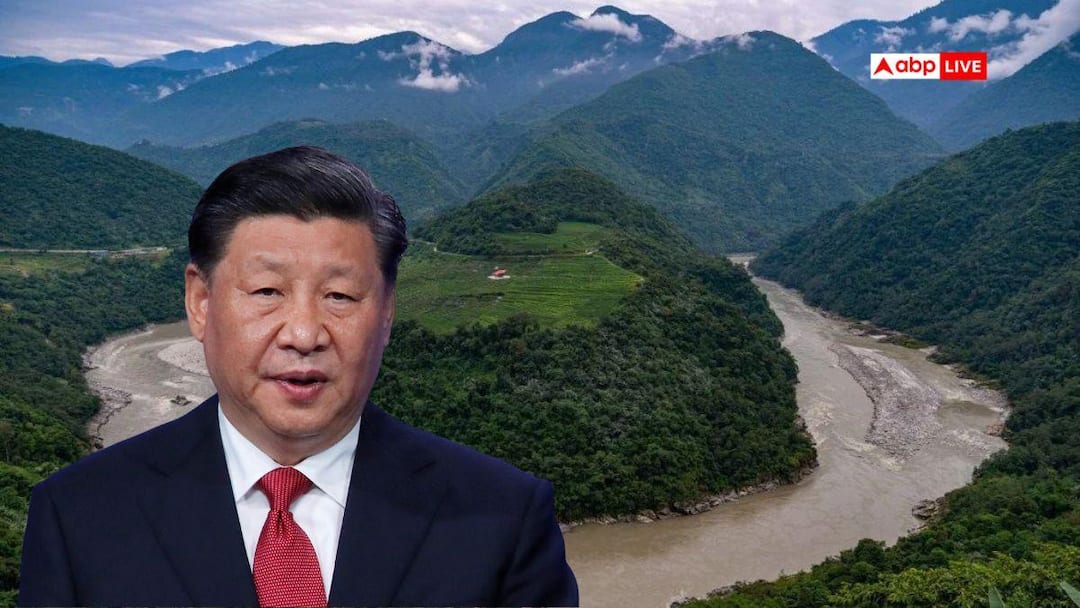
China has started the construction of a hydroelectric dam in the lower reaches of the Yarlung Tsangpo River in Tibet. It is located about 50 kilometers away from the Indian border, which has increased Delhi’s concerns about the consequences of this project. Indian agencies reviewed satellite images, which showed that such massive dam projects on cross-border rivers would have long-term impacts on low-lying areas of India. Despite this, the construction work of this dam has gained momentum in recent months.
Low lying areas of India may be affected
The Yarlung Tsangpo River originates in Tibet and enters India through Arunachal Pradesh, where it becomes the Siang River. It then flows into Assam as the Brahmaputra River, which is an important source of water for millions of Indians in the country. According to the report of NDTV, the officials said that the Government of India is keeping a close watch on this project.
This development comes at a time when Indian officials continue to express concern about the impact of such projects on the downstream areas of the river. Experts have warned that large-scale dam construction work on the river will affect the natural flow of water and may change the flood pattern in the lower reaches of the river.
Apart from the impact of dam construction work on the downstream areas, its strategic aspect also cannot be ignored. Experts say that the huge dams built in the upper reaches of the river will give more advantage to China in case of any dispute as it will help Beijing to control the water flow in the region.
Union Minister had given the answer in Parliament
Last year, in response to questions asked in Parliament, Minister of State for External Affairs Kirti Vardhan Singh had said that the Center has taken note of the reports related to the start of construction of the mega-dam. He said that the government has been keeping an eye on the proposed mega-dam for decades. He also said that the government carefully monitors all developments related to the Brahmaputra river, including China’s plan to develop hydroelectric dams.
He said India has repeatedly expressed its concerns to China through official channels and all issues related to trans-border rivers are discussed at the Expert Level established in 2006. According to the report, officials said that this issue was also raised during the visit of External Affairs Minister S Jaishankar to China for the meeting of foreign ministers of Shanghai Cooperation Organization in July 2025.
Beijing says that its hydroelectric dam has been built for the purpose of power generation and India will not suffer any loss from it, but New Delhi does not want to take any risk.
Also read: Explained: Why is ‘not making nuclear bombs’ the most important condition in the US-Iran peace agreement? After all, what is Trump afraid of?