
 By Admin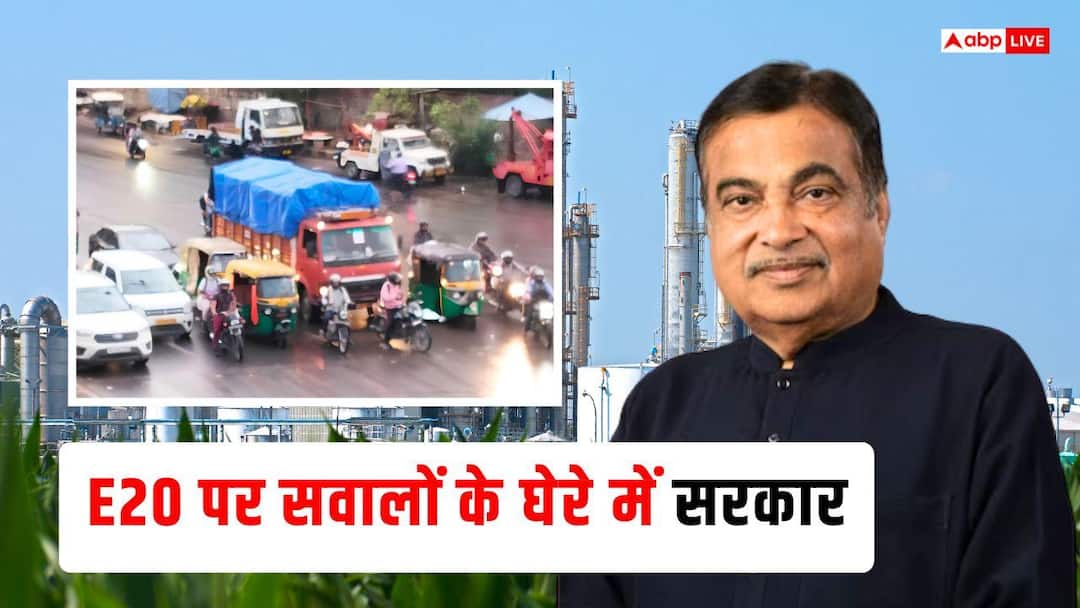
Transporters on Ethanol Blending: 20 percent ethanol mixed E-20 petrol is being implemented rapidly across the country. The government is calling it an important step towards green energy, saving foreign exchange and increasing the income of farmers. However, the transport industry has raised serious questions about the technical and economic implications of this policy. Transport organizations say that if the use of E-20 petrol affects engine efficiency, reduces mileage or increases maintenance costs, then the government should give a clear answer on whose responsibility it will be.
Financial pressure may increase on small transporters
All India Motor and Goods Transport Association says that lakhs of small and medium transporters in the country are operating trucks, light commercial vehicles and other commercial vehicles by taking loans from banks. In such a situation, if fuel consumption increases due to E-20 petrol or there is additional expenditure on maintenance of vehicles, then it will have a direct impact on the cost of transport business.
Claim of reduction in mileage, transportation cost may increase
The association claims that various scientific studies have shown that the use of E-20 fuel reduces mileage by about 2 to 6 percent. This figure may seem small, but for commercial vehicles that travel long distances every day, it can amount to additional fuel expenses of thousands of rupees every month. Transporters say that if this happens then ultimately its impact will reach freight charges, business costs and common consumers.
Ethanol: Government bowing to heavy opposition? The decision to mix 25% ethanol in petrol is certain to be postponed.
Questions raised on technical safety of old vehicles
Transportation organizations have also expressed concern that older commercial vehicles that are not designed for E-20 fuel may have additional impacts to fuel pipes, rubber seals, gaskets, fuel pumps and other parts of the fuel system. He says that if technical faults occur in such vehicles in the future, it should be clear in advance who will take responsibility for it, among the vehicle manufacturing companies, oil companies or the government.
Commercial vehicles worth crores should not become the medium of ‘political experiment’
The association says that commercial vehicles worth crores of rupees in the country should not be made the experimental basis of any new policy. The organization believes that before any new fuel policy is implemented on a large scale, its long-term effects should be tested in an independent, transparent and appropriate manner according to Indian conditions and its report should be made public.
Four big questions put before the government
The transport industry has asked many important questions to the central government. These include knowing whether all commercial vehicles operating in the country are completely safe and certified for E-20. Does the government have any public scientific studies that confirm the safe use of E-20 on commercial vehicles 8 to 15 years old? If there is a fault in the engine or fuel system in future, who will compensate for it? Also, if transportation cost increases due to reduction in mileage, then who will bear the financial burden – the transporter, the trader or the common consumer?
Liquor bottle may become costlier by 10 to 50 rupees, know where preparations are going on to increase the rate
Demand to form a joint committee of experts including IIT
The association has said that it is in favor of environmental protection, clean energy and the interests of farmers, but while achieving these goals, there should not be additional economic burden on the transport industry. The organization has demanded from the Central Government that a high-level committee should be formed including representatives of Indian Institutes of Technology (IITs), scientific institutions, vehicle manufacturing companies, oil companies and transport organizations. This committee should conduct a detailed study of the effects of E-20 in actual operating conditions and its report should be made public.
Demand to fix compensation policy and accountability also
Transport organizations say that if E-20 causes technical or economic damage to any vehicle, then clear accountability should be fixed for it. Besides, a transparent system of compensation for affected vehicle owners and transporters should also be announced.
‘It’s not just an issue of fuel, it’s an issue of the entire economy’
Association President Rajendra Kapoor said that this matter is not limited to changing fuel only. It is related to crores of vehicle owners, lakhs of transport traders, business activities and supply chain of the country. He also appealed to the media and public representatives to take up this issue seriously and said that the biggest need of the hour is to ensure scientific transparency, economic security and clear accountability before implementing the new policy.