
 By Admin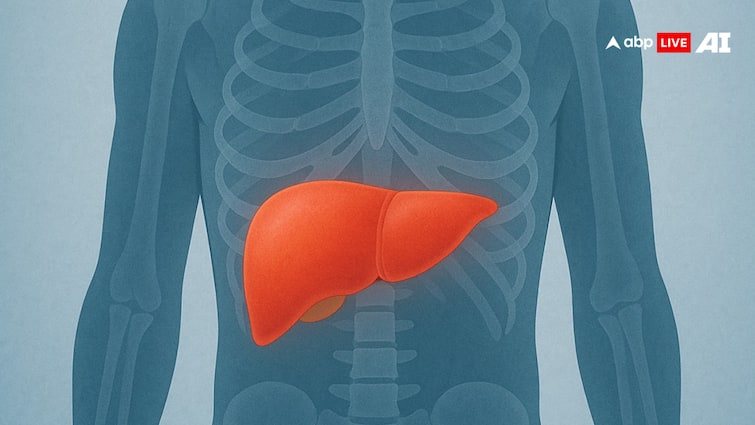
Food and drinks can harm your liver: A new research conducted on animals has found that microscopic plastic particles (microplastic) found in food and drink can affect the process of processing the body’s glucose (glucose metabolism). This can cause damage to organs like liver (liver).
These things can be harmful
The results of this research create anxiety that people who are consuming substances with microplastics (smaller than 5 millimeters) and nanoplastics (smaller than 100 nanometer) may have health problems. These small plastic particles can be found in food items, especially through seafood and foods.
Previous estimates show that a person can swallow around 40,000 to 50,000 microplastic particles every year through food and drink. According to some estimates, this number can also reach 1 million (1 million) particles annually.
What was revealed in research?
Amy Parkhast, a PhD student at the University of California located in the city of Davis, USA, said, “We find out that polystyrene nanoplastic goes into the body of glucose and damage to the liver (liver). The recently confirmed the results of the animal research and further.”
Focus on nanoplastic particles going into the body
In this research, the researcher focused on nanoplastic particles going into the body through food and drink. The researcher gave 12 -week male mice with a normal rat dose daily with a dose of polystyrene nanoplings. Polystyrene is a common plastic, often used in food packaging and other products.
The researcher gave the mice a 60 mg of nanoplastic dose daily according to their body weight keeping in mind the research on earlier mice and the possible contact level of humans. Earlier, the effect on health was seen earlier.
Parkharst said, “We cannot fully control all kinds of plastic that comes in contact with mice. But our plan was such that we could see what changes in the body occur when the nanoplastic supplements increased, because there was more risk in the group with high doses.”
What happened in research done on mice?
Polystyrene did not eat nanoplastic -eating mice to control glucose in the body of mice and an increased level of enzymes called aqueline aminotransferase, indicating damage to the liver (liver).
In polystyrene -eating mice, the researcher noticed that the problem of leakage was found in their intestine, which increased the amount of harmful substances called endotoxin in the body, which could weaken the liver (liver). Parkharst said, “Our results indicate more research to help make up policies related to micro and nanoplastics.”
Check out Below Health Tools-
Calculate your body mass index (BMI)
Calculate the age through age calculator