
 By Admin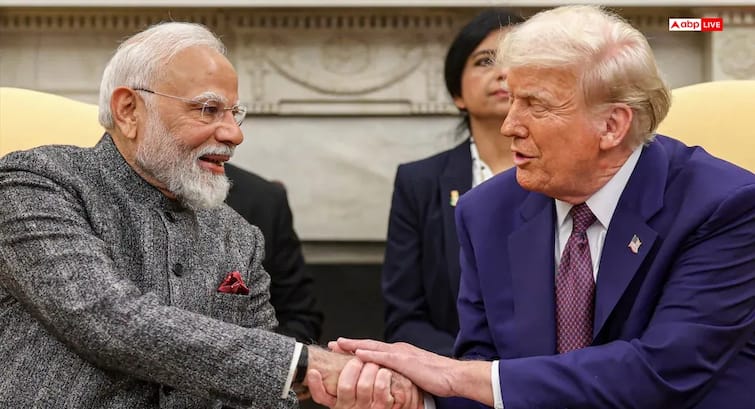
India-Rus Trade Deal: Negotiations have reached a significant turn between India and America. According to a CNBC-TV18 report, a mini trade agreement between the two countries may be finally decided in the next 24 to 48 hours. This agreement is being reached at a time when the 90 -day restriction of the additional tariff (Trump Tariff) declared by US President Donald Trump is about to end. In such a situation, this deal can become a relief for India.
Possible points and tariff rates of mini deals
According to the report, the average import tariff under this mini deal will be around 10 percent. There is a plan to fix the annual quota by putting less tariffs on some labor-dominated products to be exported from India. Apart from this, some agricultural products in India, America, such as peccan nuts and blueberries may agree to pay rates. This limited agreement is believed to be a step before the broad bilateral trade agreement (BTA), whose negotiations are likely to begin after July 9.
Trump tariff timeline: from the beginning till now
2 April
US President Donald Trump announced a 10% basic tariff on most imports. He described this day as Liberation Day and said that from April 9, counter tariffs of up to 26-27% will be imposed on those countries, which according to the US are creating unfair trade obstacles. India was also involved in this.
5 April
Trump’s first round tariffs became effective. India started negotiating with the US, reacting quickly and offered to reduce tariffs on some items such as Harley Davidson Motorcycle, Whiskey, Networking and IT Hardware. Also, there was a demand for security of areas like dairy and agriculture.
A formal structure of dialogue between India and America i.e. ‘Terms of Reference’ was agreed. This included reducing tariffs, market access, digital items. Topics such as Intellectual Property Rights were kept separate from this dialogue. India offered to give zero tariffs on some strategic imports under the PLI (Production Based Incentive) scheme and also added the condition “Forward MFN” (Most favorite nation), under which if India gives better trade conditions to another country in future, then America will get the same benefit.
9 April
Trump announced a temporary ban on implementing high tariffs for 90 days. Many countries including India got relief from this decision.
20 and 23 May
India’s Commerce Minister Piyush Goyal met American officials at Washington DC. The goal was to finalize this mini deal by the beginning of July to avoid the potential 26-27% tariffs. India offered limited exemption on American agriculture and industrial products, but excluded domestic sensitive products such as dairy and wheat. On this, Trump appreciated the initiative of Jero Tariff on some goods of India. After this announcement, there was a positive response in the Indian stock market and the Sensex jumped more than 1300 points.
There was a boom in June, but some technical issues are left
The final round of talks between India and the US began in June. Both sides exchanged legal drafts. Final consensus was yet to be reached on technical points like rules, certification, compliance, dispute solution of origin. US officials said that the deal is “90% ready”, but for the final seal it is necessary to consent on certain points.
New signals on the deal from 1 July increased and increased confidence
Foreign Minister S. Jaishankar said that the agreement would be based on the spirit of “both sides giving and taking”. India reiterated that it would keep products like dairy and rice out of the deal, while America wanted to reach the market for more agricultural products.
6 July and 7 July
On 6 July, Trump extended the last date to implement the tariff to 1 August. He appreciated India’s efforts, but also warned the rest of the countries. On July 7, US Fund Secretary Bisnt said that the deal is “very close”. This news brought stability to the financial markets and increased expectations among investors.
On the same day, Trump announced that he would send tariff letters of the first round to various countries, which would also include trade agreements. These letters will be related to the new tariff rates applicable from August 1. Trump also said that countries joining groups like BRICs will have an additional 10% of additional tariffs, including countries like India, Brazil, Russia and China.
Now India’s eyes on mini deal, BRICS membership became a challenge
For India, this mini trade agreement has now become the biggest way to avoid Trump Tariff. However, due to active participation in a group like BRICS, the threat of additional tariffs has also become a new challenge. In such a situation, where India has to protect domestic interests, the global strategic partnerships also have to be balanced.