
 By Admin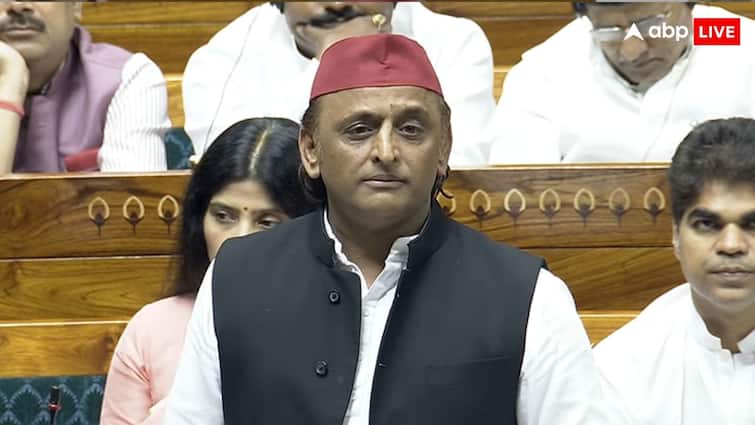
Samajwadi Party National President Akhilesh Yadav termed the Constitution (130th Amendment) Bill, 2025 as a sign of dictatorship. He said that this bill is an attempt to save the chair of the central government, but history is witness that such decisions have never been successful.
Akhilesh Yadav said that the dictators of the world, whether in Germany, Italy or Russia, also made such decisions to save their chair but no one could save their chair in history. This amendment has been brought against the public and to benefit corporate houses. Taking a dig at the central government, he said that this bill will harm the public interest and can become a weapon to suppress the opposition.
What is the 130th Amendment Bill of the Constitution 2025?
This bill is proposed to bring a big change in the Constitution of India. Its main provision is that if a public representative (Prime Minister, Chief Minister or Minister) is in custody for more than 30 days in serious criminal charges, then he can be removed from the post. Under this amendment, changes in Article 75, 164, and 239AA of the Constitution are proposed, which are related to the post of Prime Minister, Chief Minister, and Delhi Chief Minister respectively.
Home Minister Amit Shah, while presenting this bill in the Lok Sabha, said that it has been brought into public interest. He said that the public representatives are only for the service of the public. If they stay in jail after involving criminal cases, then they should not have the right to remain in office. The bill was introduced in the Lok Sabha today, as well as the Jammu and Kashmir Reorganization (Amendment) Bill, 2025 and Union Territory (Amendment) Bill, 2025.
Opposition to opposition
Apart from Akhilesh Yadav, other opposition parties are also opposing this amendment. AIMIM chief Asaduddin Owaisi said that this amendment can become a weapon to target opposition leaders and weaken democratic values. The Congress and other parties also expressed concern over this, described it as a step on the rights of the people.