
 By Admin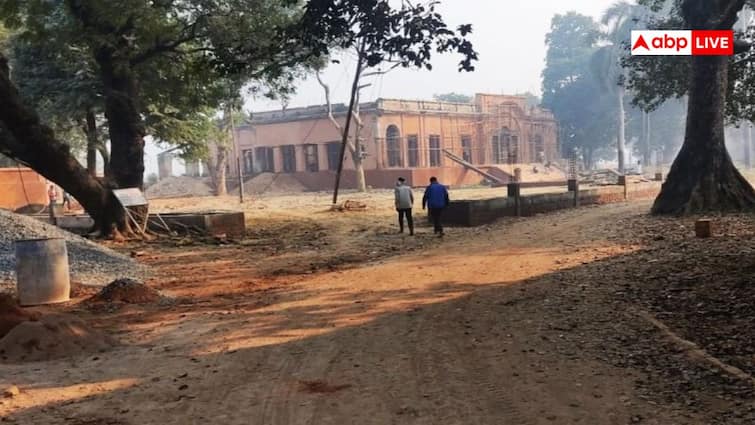
Faizabad, now known as Ayodhya, used to be the capital of Awadh. In the 18th century, Nawab Shuja-ud-Daula settled this city and got Dilkusha Kothi built. This kothi was not only a symbol of his royal pride, but also a part of the cultural and political center of Awadh. Do you know that the Dilkusha Kothi of Faizabad on which Saket Sadan is now being built, a consignment of opium was once kept. Let’s know the story of the history of this kothi and its redevelopment.
What is the history of Dilkusha Kothi?
Reverse as Saket House
The building turned into ruins due to lack of maintenance and administrative apathy over time. After which now Uttar Pradesh Chief Minister Yogi Adityanath is preparing to give new life again. Dilkusha Kothi is being redeemed as Saket Sadan, which is planned to be developed as a tourist destination. The cost of this project is Rs 16.82 crore and more than 75% work has been completed.
What is the government’s plan?
The government’s plan is to make a museum instead of this kothi. The Saket Sadan will be developed as a museum for Hindu pilgrims. Where idols and religious items of Hindu deities will be displayed. This will further strengthen the cultural and religious identity of Ayodhya. A large number of devotees are coming to Ayodhya since the construction of the Ram temple in Ayodhya, which was the center of faith of the devotees. In such a situation, devotees coming to Ayodhya will be able to connect with both history and faith here.
Also read this- Soon the Nawab’s Kothi will be erased, know its full story