
 By Admin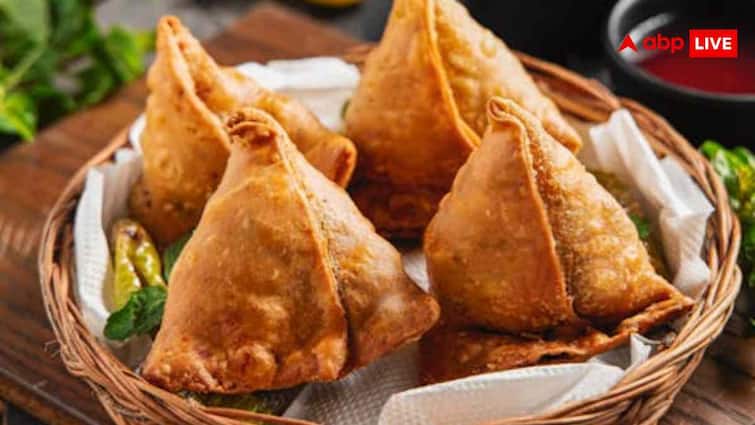
It is a rainy season, cold winter evening, office fatigue or fun with friends and party, samosa is our hunger -erase favorite snack on every occasion which everyone likes. When a crispy samosa comes out with hot tea, a different joy is felt. But do you know where did this our beloved samosa come from? And were potatoes filled in it from the beginning? Most of us believe that Samosa is a traditional Indian snack, but Samosa is not a traditional snack of India. So let us know which country Samosa came to India and what was filled before potato in it.
From which country did Samosa come to India?
Samosa actually came to India from Iran and Middle East i.e. Middle East countries. There it was called Sambusak or Sambusaj. This name became a samosa in India over time. The oldest mention of Samosa is mentioned by the 11th century famous Iranian historian Abul Fazal Behaki in his book Date-e-Bahki. He wrote that a salty dish was introduced in the royal court of the Ghaznavi Empire, in which mince (meat) and dry fruits were filled. The samosa was then not fried, but was baked on the fire. Its test was royal and it was made for special people.
What was filled before potato in samosas?
Between the 13th and 14th centuries, when traders from Central Asia and Muslim ruler came to India, Samosa had also stepped into India. Writers like Amir Khusro and Ibn Batuta have also mentioned samosas in their articles. Ibn Batuta told that Samosa was a famous snack in the court of Mohammed bin Tughlaq. Gradually, this dish spread to different parts of India, and people started making changes in it in their own way.
Actually, potato was not from India, Portuguese brought it to India in the 16th century. Earlier, meat, nuts or vegetables were filled in samosas. When potatoes became popular in India, people started filling spicy potatoes and peas instead of meat in samosas. This new Indian samosa was very much liked among the common people. And today the samosa with potato has become the most common and famous version.
Also read: Bakrid and sweet Eid must have been heard, but today the third Eid, know why celebrate it?