
 By Admin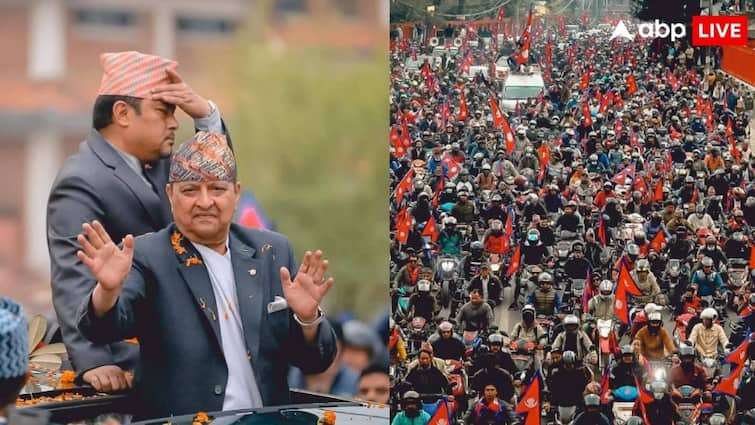
Nepal is looking for its democratic identity today, sometimes the monarchy used to run with Shano-Shaukat. If we look at the history of Nepal, then the end of the monarchy tradition here is no less than a crime thriller. The monarchy tradition of Nepal remained under the Shah dynasty for about 250 years.
It was started by Prithvi Narayan Shah in 1768 with Gorkha, who integrated Nepal by conquering small states of Kathmandu Valley. Shah King was considered the patron of Hinduism and was called the incarnation of Lord Vishnu. In the 19th century, Jung Bahadur Rana seized power after the Kot festival of 1846. The king was nominal in the Rana rule (1846–1951), while Rana Prime Ministers ran autocratic rule.
India’s role in Nepal’s change of power
The revolution of 1950-51 overthrew the Rana rule. King Tribhuvan gained power under the Delhi Agreement with the support of India, which led to the constitutional monarchy. In 1960, King Mahendra dissolved the Parliament and implemented the Panchayat system, which was the king-centric. The 1990 public movement forced King Birendra to accept the constitutional monarchy. The Maoist rebellion began in 1996, which intensified the rebellion against the monarchy.
The royal banquet was going on in Narayanhiti Palace in Kathmandu. Then suddenly Crown Prince Deepender Shah came with guns in the hands of military uniform and fired bullets on his own family. In this massacre, Birendra Veer Vikram Shah, Rani Aishwarya, son Niranjan, daughter Shruti and 7 other family members were killed. After that Dipendra also shot himself.
Public movement ends the monarchy of Nepal
After this, Gyanendra became king, but his unpopularity was more. In 2005, Gyanendra implemented direct rule, which provoked dissatisfaction among the public and political parties. The second mass movement of 2006 caused the end of the monarchy in Nepal. There was a 12-point agreement between the seven party alliance and the Maoists. Millions of people took to the streets, under whose pressure Gyanendra restored Parliament.
In November 2006, the Shanti Agreement ended the Maoist rebellion. In January 2007, the Interim Constitution suspended the king’s powers and finally the Maoists got a majority in the April 2008 Constituent Assembly elections.
Ram Baran Yadav became the first president of democratic Nepal
On 28 May 2008, the meeting ended the 240 -year -old monarchy and declared Nepal a federal democratic Republic. Gyanendra had to leave the Narayanhiti Palace, which is now a museum. After that Ram Baran Yadav became the first President of Nepal. If seen, there has been a demand for monarchy restoration amidst economic crisis in recent years.
Also read: Who is Balen Shah, who is being called Gen-Z’s big face? Protesters demanding to hand over power