
 By Admin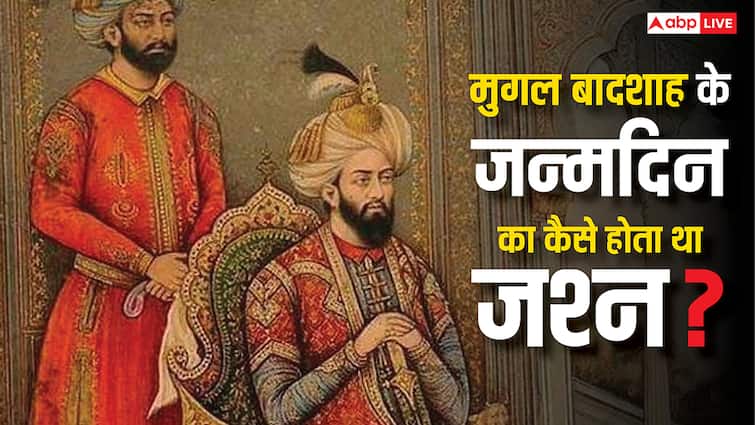
The pride and chic of the Mughal Empire were seen not only in their palaces and crowns, but also in the royal birthday celebrations. This was mentioned by historians Abul Fazal and Kishori Sharan Lal in their book The Mughal Harem, according to which Akbar started the weight weighing ceremony inspired by the Hindu tradition. The king was weighed twice a year on solar and lunar birthdays. Shehzadas and grandchildren weighed once a year. Gold, silver, diamonds, pearls, silk fabrics, spices and grains were used for weight. Jahangir has written in his memoirs that this ritual was organized in the buildings of the court, sometimes harem and sometimes Rajmata.
British travelers Edward Terry and Sir Thomas Raw have written the eyes of these royal rituals. According to him, Jahangir was weighed in scales with heavy gold chains. Carpets were lying on the scales. During that time, the courtiers used to stand all around and looked at the queens from behind the curtain. The king wore brilliant clothes adorned with gems and beads. At first they were weighed with jewels, then gold-silver, clothes, spices and grains. These materials were later donated to the poor and the needy, which also added religious and social importance to this ritual.
Haram’s participation and anniversary chance
The anniversary ceremony was not limited to the court only. Haram had great importance for women. Royal mothers often sent materials for weight. Sometimes the entire event was held in the building of Rajmata. Every year a lump would be tied on the lanyard by measuring the length of the king, which was called an anniversary. This tradition ran from Akbar to Aurangzeb, even though Aurangzeb gave less grandeur to many rituals due to his religious inclination.
Birthday feasts, alcohol, music and boating
The Mughal birthdays were not limited to rituals just. It was also a chance for grand feasts and festivals. Dozens of dishes and roasted meat were served in the royal feast. The liquor plates used to come in front of the courtiers and the emperor. Music, dance and festivals would last late at night. There were parties and picnics in gardens. Jahangir has written in his memoirs that he used to attend the birthday celebration overnight with women and children in Nur Jahan Begum’s palaces and lakes.
Also read: India Muslim Population: Record increase in the population of Muslims in India! How much is the population of Hindus? Statistics shocked