
 By Admin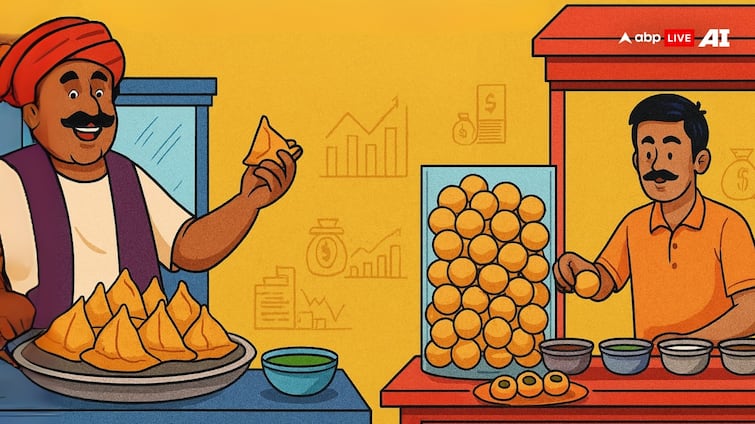

Even though the business of street food looks small, many factors in it affect earning. First the location plays an important role. The city’s crowded area, the corner near the college or the main intersection of the market can double the seller’s earnings.

The second big thing is quantity, that is, how many plates are sold daily. The third aspect is the price, that is, the profit of Rs 20 and Rs 50 of chaat of Rs 50 will be different.

Along with this, quality is also very important. Fresh content and better taste forces customers to come back again. At the same time, the competition and sale in the area determine the level of earnings like carts, small shops or restaurants.
If a seller sells 100 plates of samosas daily, he can get a profit of 1000 to 2000 rupees on an average. The same figure can be converted into earnings of about 30,000 to 60,000 rupees according to the month.
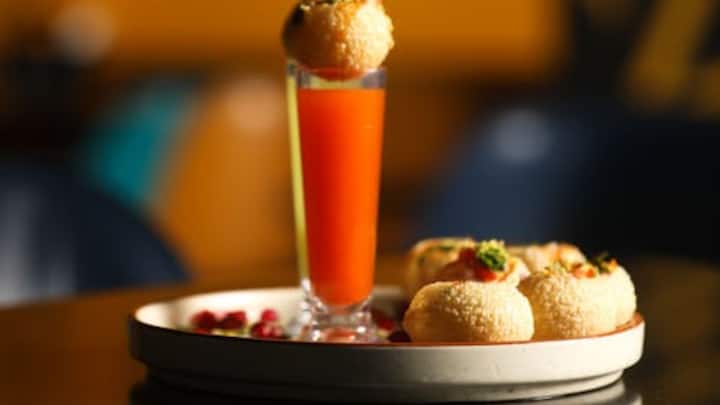
Usually, those who sell Panipuri can earn 30,000 to 60,000 rupees a month just like samosas, but with the help of good location and regular customers this figure can increase manifold.
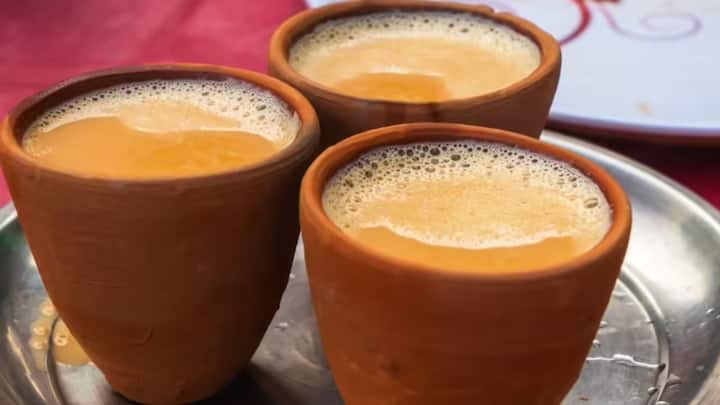
The business of chaat is of different levels. Somewhere it earns more than samosas and Panipuri, then somewhere the earnings decrease due to competition, but on an average people also earn thousands of rupees in a month.
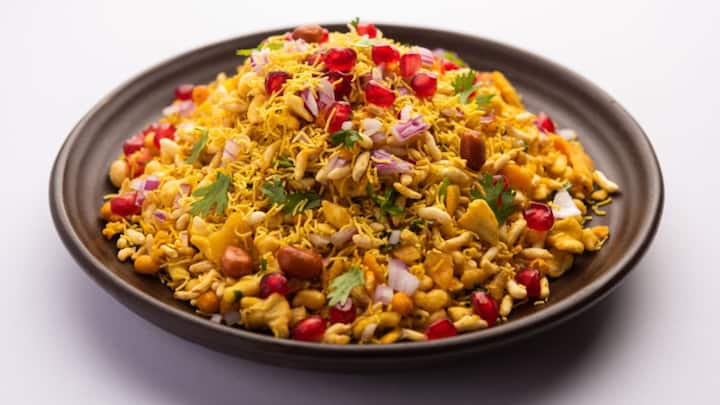
Those selling street food in India also have to pay tax. Under GST, taxes are applied at a rate of 5% on foods like Panipuri and Chaat. That is, these businesses fall under small, but completely organized system.
Published at: 23 Sep 2025 08:26 PM (IST)