
 By Admin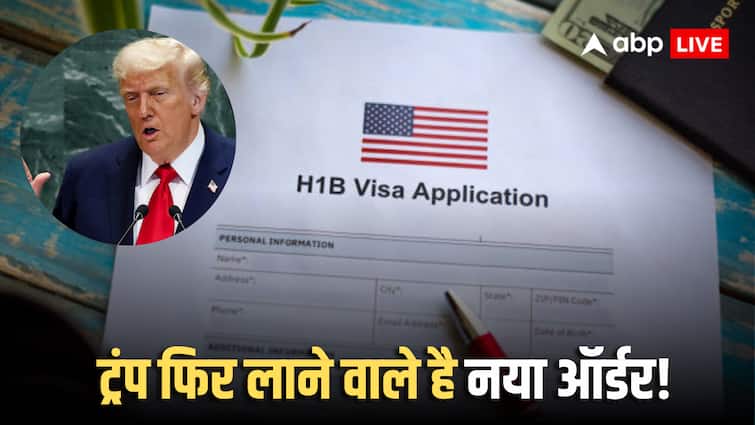
The Donald Trump administration in America is again moving towards major changes in the H-1B visa program. While earlier a mandatory fee of $100,000 (about Rs 83 lakh) was proposed, now the administration is preparing to further tighten the rules related to visa eligibility, usage and responsibilities of employers.
This proposal is included in the new regulatory agenda of the US Department of Homeland Security (DHS). It has been included in the Federal Register under the H-1B Non-Immigrant Visa Classification Program Improvement. The purpose of the new rules is to prevent misuse of visas, hold employers accountable and protect the rights of American workers.
Outline of major changes
The new proposal includes several administrative and technical amendments. These include changes in the eligibility standards for Cap Exemption, tightening scrutiny of employers who violate the terms of the program, increasing monitoring of third-party placements and ensuring transparency. DHS says this step is necessary to maintain the integrity of the H-1B program and ensure the protection of wages and working conditions of American workers.
Impact on exempted institutions
At present it is not clear whether the cap-exemption to universities, research institutes and non-profit health organizations will be limited or not. This will be something to see. However, if this happens, it can have a deep impact on areas like education, research and health.
When will the new rule come into effect?
According to the regulatory notice, the new rule may be implemented in December 2025. Meanwhile, the Trump administration is also considering replacing the traditional lottery process with a wage-based selection system for H-1B visas. With this, priority will be given to applicants with higher salaries.
Impact on Indian professionals
The biggest impact of the new proposals will be on young professionals from India and China, who work in large numbers in America’s tech and medical industries. According to Pew Research Center, about 74% of the H-1B visas approved in 2023 were in the names of Indian citizens. Most of these are related to computer and IT sector.
What is H-1B visa?
The H-1B visa is a temporary work visa that allows American companies to hire highly-skilled foreign professionals. This visa was started under the Immigration Act of 1990. Each year 65,000 ordinary visas and 20,000 additional visas are issued to US master’s or higher degree holders. Universities and research institutes are exempted from this limit.
Accountability of employers will increase
According to US law, H-1B visa holders should be paid the same or more than American employees, but the administration fears that many companies do not follow this rule. The new proposal talks about tightening the pay reporting and transparency standards of companies.
potential consequences
If H-1B visa reforms are implemented, the visa process could become more expensive and fees could reach $100,000. The ban on exempted organizations will affect the education and health sectors. Delay in visa approval and investigation process may increase. There is a possibility of a decline in the number of visa applications from India.
Also read: Israel-US Weapon: Israel created the world’s most dangerous weapon, Netanyahu said – ‘Now it is with America’