
 By Admin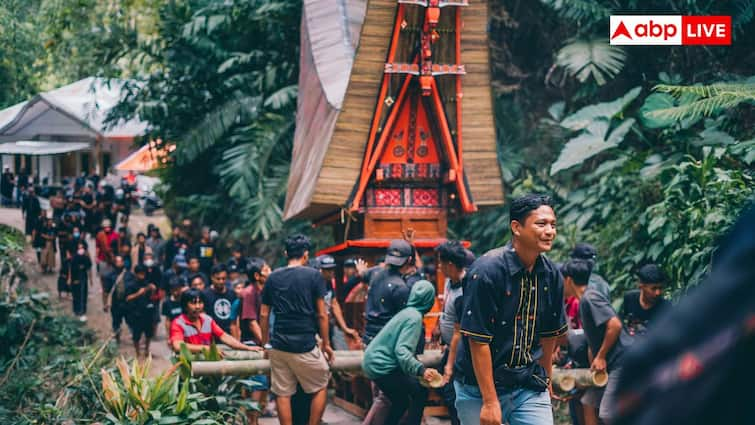
Indonesia Culture: Death In most cultures around the world there is a big difference between life and death. Funerals are meant to say goodbye, but this is not the case for the Toraja tribe of Indonesia. For them, this is not the end but just another stage in this long journey of life. This unique tribe of South Sulawesi keeps the bodies of their dead relatives at home and treats them as if they were still alive. They are fed, clothed and even talked to on a daily basis. Let us know more information about this unique tribe.
Unique tradition of Indonesia
Among Toraja people, there is no immediate burial or cremation after death. Here the deceased is not said to be dead but sick or resting. The family keeps the body in a coffin in their home and takes care of it. He is given food, cigarettes and water every day. They also clean the room, change the clothes of the deceased and even talk to them as if they were alive. This is done until the family is able to afford a grand funeral. This is a ritual which takes months or even years to prepare.
Why do dead bodies stay at home?
In Toraja Sanskrit, funeral is not just a religious ritual but is celebrated as a community event which is a symbol of respect and social prestige. This ritual can last for several days and animals, especially buffaloes, are sacrificed. To prevent the dead body from rotting, it is coated with formalin.
purification of the dead
People of this community do not leave the dead bodies even after burial. Once every year, they come out to worship the dead bodies of their loved ones, in the form of salt, which means a ceremony of purification of the dead. During this ceremony the dead bodies are taken out from their resting place and cleaned, combed and dressed in new clothes. The family then introduces the deceased to the new generation and takes them on a symbolic walk through the village. It is strictly prohibited to take turns or circumambulate during this procession and everyone is taken in a straight line.
bury baby in tree
There is a separate tradition here for babies and small children. Instead of burying or burning them, they are placed inside the hollow trunks of living trees. There is a belief that the soul of the children will continue to grow with the tree and merge with nature. However, due to government rules, this practice has stopped to a great extent.
Also read: Who provides weapons to Afghanistan, on whose strength is Taliban defeating Pakistan?