
 By Admin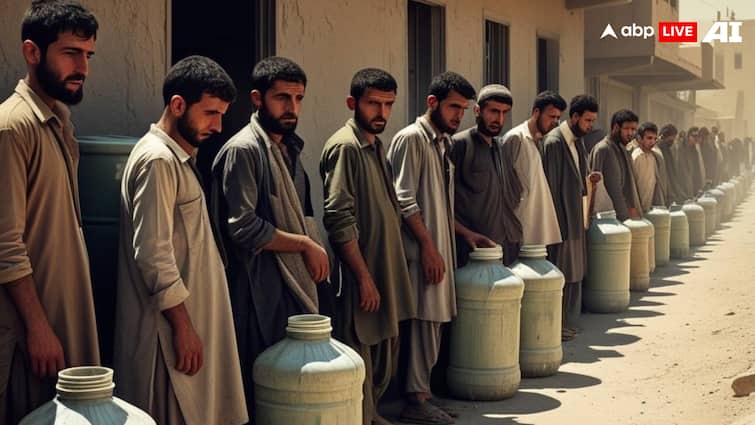
Kabul water crisis: Kabul, the capital of Afghanistan, may face a huge water shortage in the coming few years. A new report states that this city with 71 lakh population can dry up completely in the coming 5 years. That is, it will be difficult for people to get water to drink here too.
This warning has been given by non-profit organization Mercy Corps. According to the report, excessive exploitation of ground water, climate change and rapidly growing population have brought this city to the mouth of water crisis. Now the big question is whether the Taliban government can deal with this crisis? Does he have the necessary technology, money and plan to save water? This has raised doubts in the report.
Water level falls by 25-30 meters in 10 years
A report published in April 2025 warns that if this situation prevails, then by 2030 all the water sources of Kabul can dry up. This will not only make it impossible to meet the water needs of the city, but about 30 lakh people may have to leave their homes.
According to the report, in the last decade, the ground water level of Kabul has declined from 25 to 30 meters (about 82 to 98 ft). This decline is due to the slow speed of water and the slow pace of natural recharge.
Crisis on existence by 2030
It has been said in the report that if this situation continues, then there will be no water left in Kabul by 2030. This will directly affect the existence of the city. Three million i.e. 30 lakh people can be homeless and they may have to go somewhere else in compulsion.
What are the real reasons behind Kabul’s water crisis?
The serious water crisis that Kabul, the capital of Afghanistan, is not just the natural cause, but also policy failures and socio-political changes. Experts believe that this crisis is of many layers, which includes many factor from climate to governance.
Increased pressure on climate change and resources
According to experts, due to climate change, there has been a huge change in snowfall and rain patterns, due to which the groundwater level is going down. On the other hand, the pressure of resources present on the rapidly growing population of Kabul is increasing. According to the report, in 2001, where the city had a population of about 10 lakhs, today it has been more than 70 lakhs.
Governance failures became a big challenge
The policy failure of the Afghan government and administration has also come to light to stop the water crisis. The situation continued to deteriorate due to non -taking concrete steps on ground water management, water conservation and urban planning front. Experts say that the Taliban rule has neither necessary expertise nor resources, due to which the situation is getting out of control.
Also read-
Trump’s sword on Japan and South Korea, sent 25 percent tax letter