
 By Admin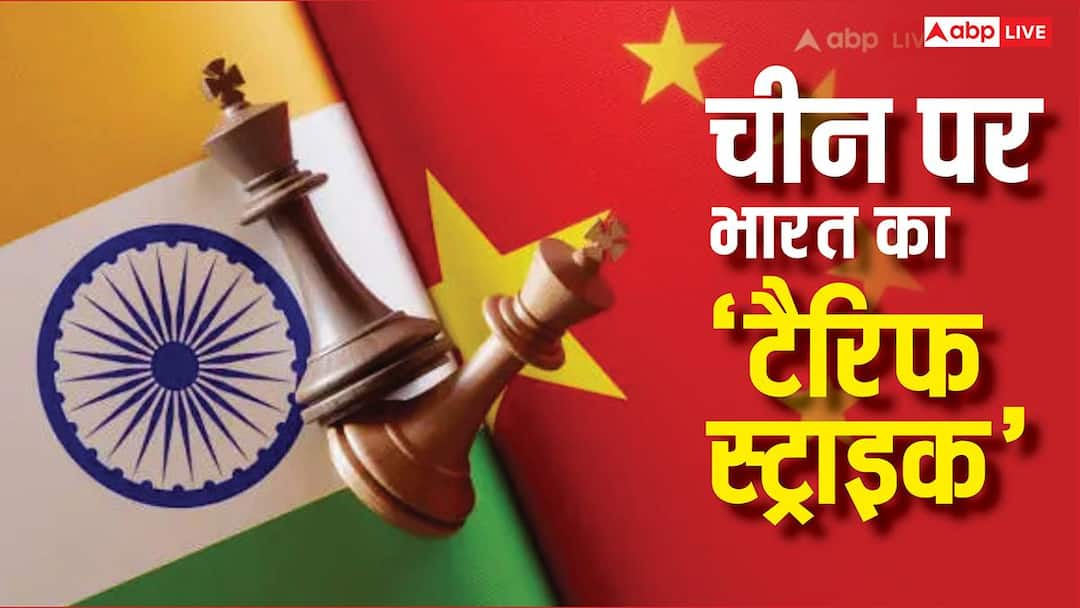
India Imposes 12% Tariffs on Steel Imports: US President Donald Trump’s attempt to put pressure on India by imposing high tariffs had limited effect and had the opposite result. India’s exports increased and there was no major negative impact on the country’s economic growth rate i.e. GDP. Meanwhile, to strengthen its domestic industries, India has taken a tough stance against cheap products being dumped from China. Taking action against cheap steel imports coming from foreign markets, especially from China, the government has decided to impose tariff for three years.
Tariff on steel for three years
According to the notification issued by the Union Finance Ministry, this safeguard duty on steel products will be implemented in a phased manner. The tariff rate will be 12 percent in the first year, in the second year it will be reduced to 11.5 percent and in the third year it will be 11 percent. The government says that this decision has been taken keeping in mind the increasing trend of imports and the negative impact it is having on the domestic steel industry.
This tariff will mainly apply to steel shipments coming from China, Vietnam and Nepal, because steel imports from these countries at cheap prices have increased rapidly. However, the government has exempted some developing countries from this and has also clarified that this safeguard duty will not be applicable on stainless steel products.
Steps to save domestic industries
It has been said in the government order that after the recent sharp increase in imports, the Director General of Trade Remedies (DGTR) had conducted a detailed investigation into the entire matter. Investigation revealed that cheap imports could cause serious losses to domestic steel producers. After this, DGTR recommended imposing tariff for three years, which was accepted by the government.
According to Reuters report, this step has been taken at a time when the government had earlier imposed a temporary safeguard duty of 12 percent on the same steel products for 200 days in April. Steel Ministry officials say that low priced and poor quality steel imports adversely affect Indian industry, investment and employment, hence this decision was necessary to save the domestic steel sector.
Also read: Rupee under heavy pressure, again falls against dollar, why RBI’s steps are ineffective