
 By Admin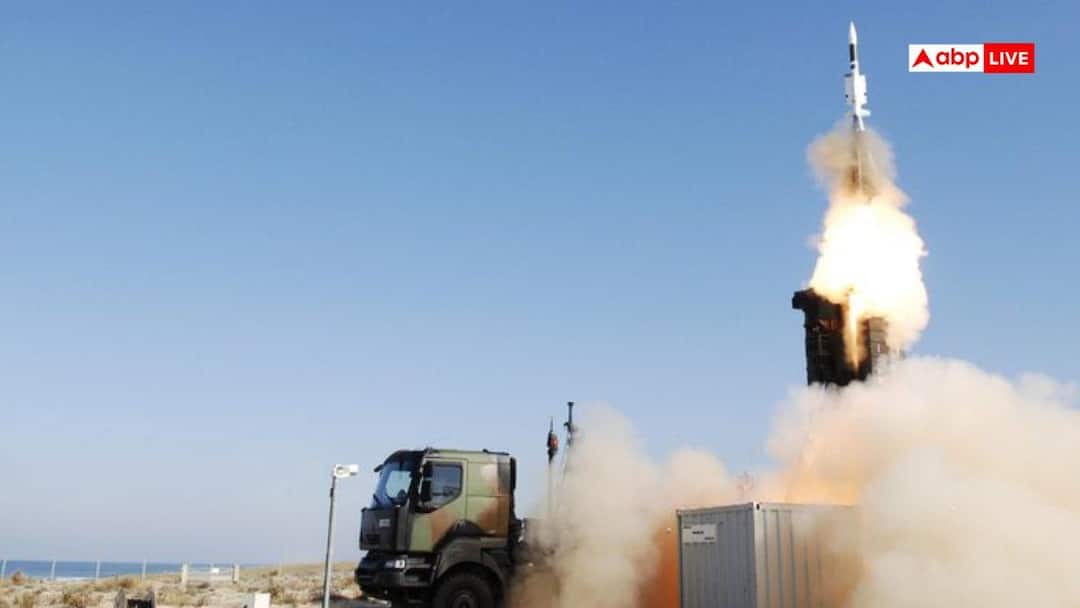
Amidst the ongoing war in the Middle East, it is being claimed that Iran destroyed America’s radar system worth $300 million. This radar is AN/TPY-2, which is the main part of America’s THAAD (Terminal High Altitude Area Defense) missile system. Due to the destruction of this radar system, the possibility of future danger to the Gulf countries has increased further.
Where was US’s THAAD system destroyed?
CNN had confirmed through satellite images the destruction of this radar system deployed at Salti Air Base in Jordan in the early days of the war. Later an American official also confirmed this. According to the Foundation for Defense of Democracies (FDD) think tank, Iran attacked Jordan on 28 February and 3 March. Then both the attacks were foiled.
FDD Deputy Director Ryan Brobst said, ‘If Iran succeeds in attacking the THAAD radar, it will be one of Iran’s most successful attacks to date.’ However, he also said that the US military and its allies have other radar systems that can prevent air and missile defense attacks.
Features of THAAD Defense System
The US Terminal High Altitude Area Defense (THAAD) is designed to destroy ballistic missiles in the air, making them capable of dealing with more threats than shorter-range Patriot batteries. Following the deactivation of the AN/TPY-2 radar, the burden of missile interception will shift to Patriot systems, which already lack PAC-3 missiles.
The US has eight THAAD systems around the world, including in South Korea and Guam. According to the Center for Strategic and International Studies (CSIS), each battery costs about $1 billion, of which the radar costs about $300 million. (CSIS) missile expert Tom Karako said, ‘The loss of the THAAD radar system is a big blow. The Army’s existing eight-battery contingent still requires the nine-battery chemical structure mandated in 2012, so there is no additional stockpile of TPY-2 missiles.
THAAD system damaged at Qatar base
According to the James Martin Center for Nonproliferation Studies in Monterey, California, an AN/FPS-132 radar based in Qatar, which is a stationary system as opposed to a mobile THAAD system, was damaged in an Iranian attack early in the war. This radar system is designed to detect threats at long distances, but it does not have the accuracy required to fire weapons at them.
A THAAD battery consists of 90 troops, six truck-mounted launchers and 48 interceptor missiles (8 in each launcher), a TPY-2 radar, as well as a tactical fire control and communications unit. Each interceptor missile made by Lockheed Martin Corporation costs about 13 million dollars.